Species · genus Haworthia · Asphodelaceae
Cathedral Window Haworthia
Haworthia cymbiformis (Haw.) Duval
Also known as: Window Haworthia · Boat-leaf Haworthia
Cultivars of H. cymbiformis
The named forms growers keep — each with its own page, each honest about how much we know.
No named cultivars catalogued under H. cymbiformis yet. When growers document a stable, named form, it earns its own page here.
Guide
The species-level account. Cultivar pages build on this and say where they differ.
A Windowed Little Rosette
Haworthia obtusa, botanically Haworthia cymbiformis var. obtusa, is a small evergreen succulent grown for its chunky, translucent-tipped leaves. It forms tight rosettes reminiscent of a miniature aloe, which has earned it nicknames like mini aloe or cushion aloe. Despite its curious looks, it asks little of the person growing it.
Source: Epic Gardening
A South African Native
This haworthia is endemic to the Eastern Cape Province of South Africa, one of the cooler regions of the country. It belongs to the Asphodelaceae family and sits closer, botanically, to Haworthiopsis than to true aloes, even though the rosette habit invites comparison to Aloe vera.
Source: Epic Gardening
Light, Water, and Patience
Give this plant bright, indirect light, such as a south-facing window with several hours of brightness, since too much direct sun can bleach its color while too little leaves it lax. Water only once the soil has dried out completely, then soak thoroughly, mimicking the infrequent heavy rains of its native ground and easing off further when the plant slackens into dormancy. It sits happily in well-draining, gritty soil and asks for no more than a single light dose of diluted fertilizer during the growing season.
Source: Epic Gardening
Offsets and Leaf Cuttings
A mature mother plant will produce small offset rosettes nestled at its base, and these can be sliced away with a sharp knife and set into their own well-drained pot to root on their own. Leaf cuttings work too: take a healthy leaf, let the cut end callus, dip it in rooting hormone, then rest it on cactus mix and mist daily until a small new rosette emerges after a couple of months.
Source: Epic Gardening
Leaf Windows and Blooms
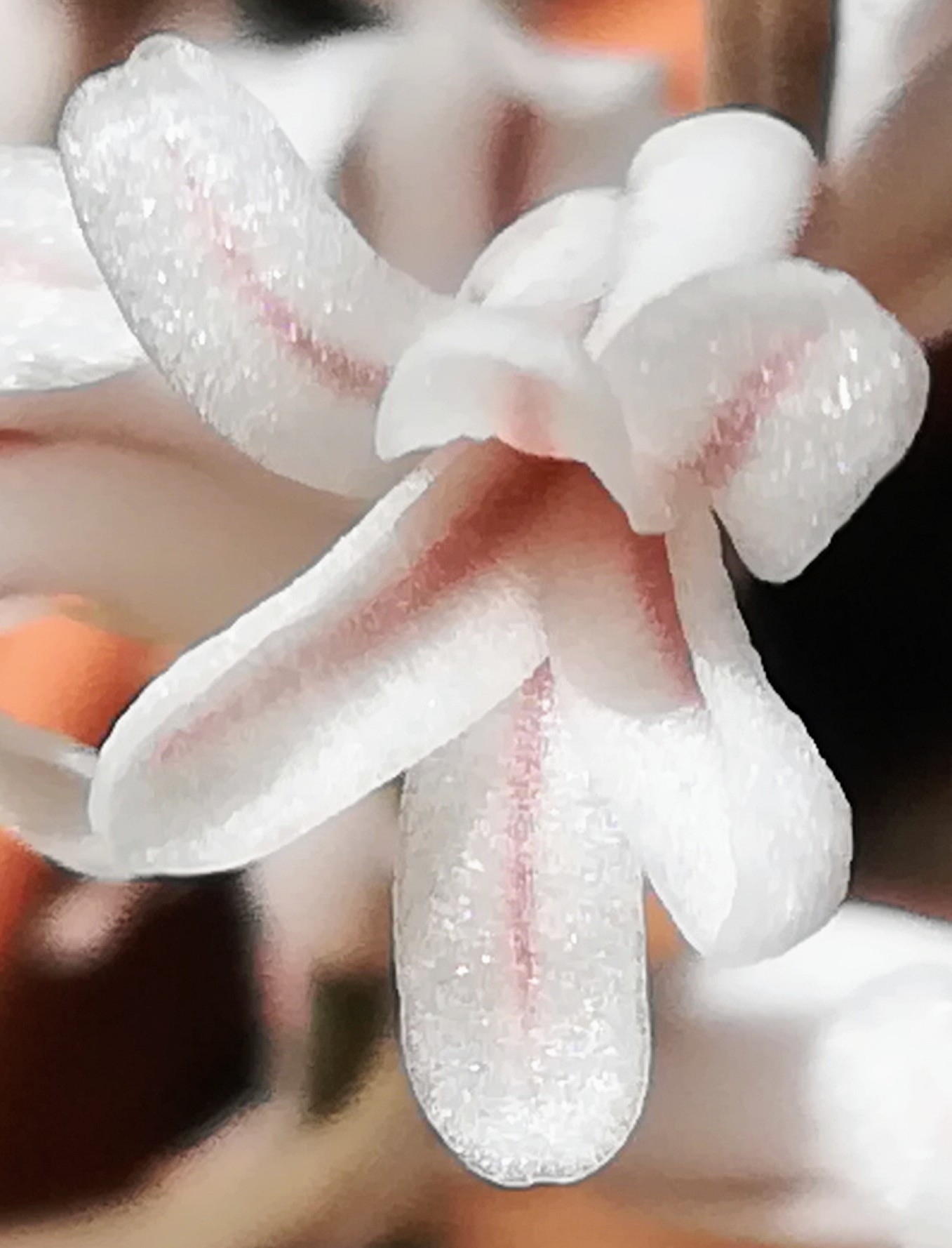
The defining trait is the leaf window: a translucent patch at each leaf tip that lets light travel through to the chlorophyll deeper inside, streaked with veins in shades of green or even blue-green. Each rosette stays small, three to six inches across, holding around twenty leaves and taking up to five years to mature. In spring or summer a mature plant may send up an eight-inch stalk bearing tiny white, green, or pale pink flowers before easing into a summer dormancy.
Source: Epic Gardening
Sap-Suckers on Watch
This haworthia rarely draws pests, but when trouble comes it tends to be mealybugs or thrips, both sap-sucking insects that can slow the plant's growth. Insecticidal soap or neem oil handle infestations, and keeping foliage dry with good air circulation helps prevent them taking hold in the first place.
Source: Epic Gardening
Overwatering Is the Enemy
Most trouble traces back to too much moisture, which turns leaves mushy and dull and invites bacteria and pests alike. Root rot from soil-dwelling organisms is the chief risk, showing as unhealthy roots and eventually slimy, discolored leaves, and the remedy is fresh soil, removal of any infected tissue, and a more cautious watering hand going forward.
Source: Epic Gardening
Care recipe
The species record — the baseline every cultivar inherits unless it says otherwise.
Care notes are early — not yet verified
- Light
- ai:claude-opus-4-8
- Water
- ai:claude-opus-4-8 (range 14-28d)
- Humidity
- ai:claude-opus-4-8
- Soil
- ai:claude-fable-5
- Care
- ai:claude-fable-5
Bright, indirect
≈ every 28 days
Low — average room
10–27 °C
Gritty, fast-draining succulent mix
Offsets or leaf cuttings, callused first
Weak feed once or twice in the growing season
Slow
Slender stalk of small white flowers occasionally
Not yet documented
This is where toxicity lives — every cultivar of this species inherits it and none can override it.
Reference images
Every image credited. Licenses link to their deeds.
Sources: ai:claude-opus-4-8 · ai:claude-opus-4-8 (range 14-28d) · ai:claude-fable-5
Kept true by its growers
Every fact here carries its source. Grow Cathedral Window Haworthia yourself? What you’ve observed — how it drinks, how it holds its color, a name that’s off — and a clear photo of your plant are exactly what keep this page honest. Contributions are reviewed before anything changes.
Sign in to add what you know →