Species · genus Ficus · Moraceae
Triangle Fig
Ficus triangularis Warb.
Also known as: Triangle Ficus · Sweetheart Tree
Cultivars of F. triangularis
The named forms growers keep — each with its own page, each honest about how much we know.
No named cultivars catalogued under F. triangularis yet. When growers document a stable, named form, it earns its own page here.
Guide
The species-level account. Cultivar pages build on this and say where they differ.
A Trending Variegated Fig
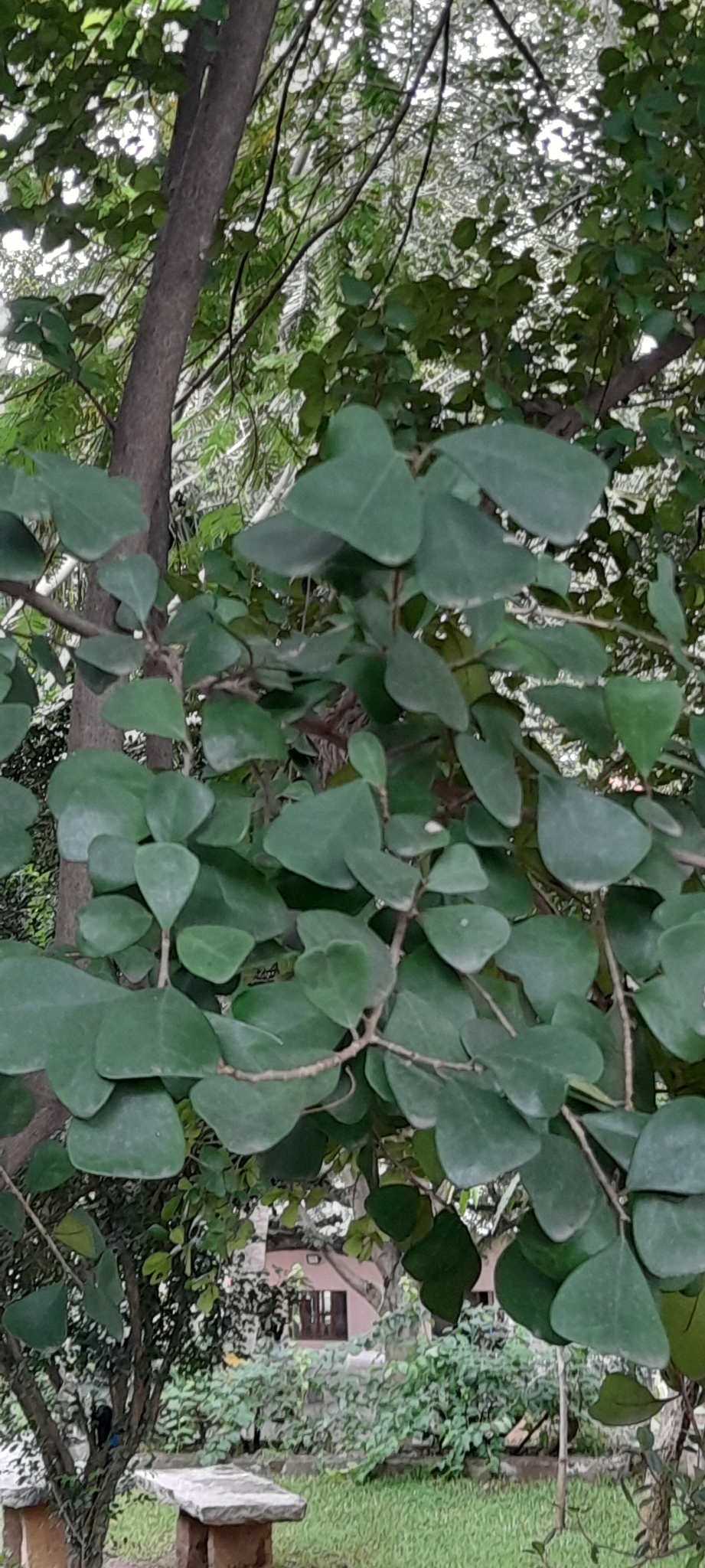
Variegated Ficus triangularis is a distinctive, relatively uncommon member of the ficus tribe, closely related to the fiddle-leaf fig. It carries thick, waxy, triangular leaves edged in creamy white, with each leaf marked a little differently from the next.
Source: Costa Farms
Light, Water, and Feeding Rhythm
This plant wants as much bright, indirect light as you can give it, though it will tolerate medium light and even grows under fluorescent or LED bulbs; direct sun, especially in southerly regions, can scorch the pale variegated edges. Let the top several inches of potting mix dry before watering again, and avoid overwatering. Average to above-average humidity suits it best, so a pebble tray, nearby humidifier, or grouping with other plants helps when indoor air runs dry. Feed in spring and summer with a houseplant fertilizer, following label rates, since excess can injure the roots.
Source: Costa Farms
Triangular, Two-Toned Foliage
The defining trait here is the leaf shape itself, a triangle rather than the oval or lobed forms typical of other ficus. Foliage comes in quantity, green shot through with cream, and is held up on stiff, compact stems. Grown indoors it starts as a compact tabletop plant but, with time, matures into a proper small tree.
Source: Costa Farms
Pruning for Fullness
Pruning isn't strictly necessary for this ficus, but pinching or trimming can help shape it. If light is a bit low and stems stretch out long and lanky, periodic pinching back encourages a fuller, bushier habit instead.
Source: Costa Farms
Care recipe
The species record — the baseline every cultivar inherits unless it says otherwise.
Care notes are early — not yet verified
- Light
- ai:claude-opus-4-8
- Water
- ai:claude-opus-4-8 (range 7-12d)
- Humidity
- ai:claude-opus-4-8
- Soil
- ai:claude-fable-5
- Care
- ai:claude-fable-5
Bright, indirect
≈ every 12 days
Medium
16–29 °C
Chunky, well-draining mix with bark and perlite
Stem cuttings rooted in water or soil
Balanced liquid feed monthly in the growing season
Moderate
Rarely flowers indoors
Toxic to cats & dogs
Fig / rubber plant — irritant latex (ficin); GI upset, dermatitis. This is where toxicity lives: every cultivar of this species inherits it and none can override it.
Reference images
Every image credited. Licenses link to their deeds.
PrimarySources: ai:claude-opus-4-8 · ai:claude-opus-4-8 (range 7-12d) · ai:claude-fable-5 · ASPCA
Kept true by its growers
Every fact here carries its source. Grow Triangle Fig yourself? What you’ve observed — how it drinks, how it holds its color, a name that’s off — and a clear photo of your plant are exactly what keep this page honest. Contributions are reviewed before anything changes.
Sign in to add what you know →