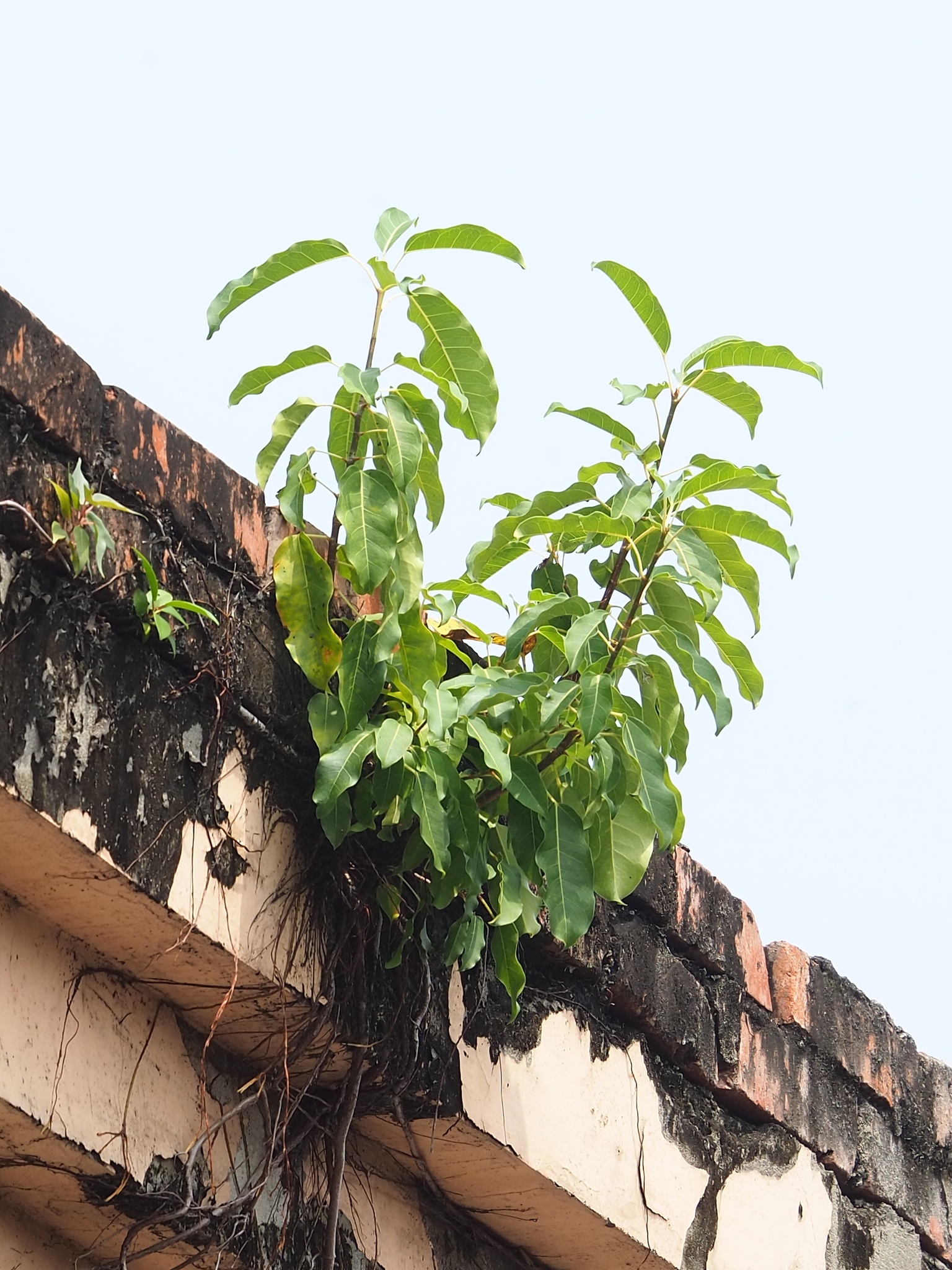
Species · genus Ficus · Moraceae
Japanese Superb Fig
Ficus subpisocarpa Gagnep.
Also known as: Superb Fig
Cultivars of F. subpisocarpa
The named forms growers keep — each with its own page, each honest about how much we know.
No named cultivars catalogued under F. subpisocarpa yet. When growers document a stable, named form, it earns its own page here.
Guide
The species-level account. Cultivar pages build on this and say where they differ.
A Fig by Many Forms
This guide gathers what the sources tell us about Ficus, the fig genus, with particular attention to Ficus subpisocarpa and its houseplant relative Ficus pumila. Ficus is a large and varied genus within the fig family, ranging from tall trees to low, creeping vines, and Ficus subpisocarpa itself is described as a tree.
Source: Kew
A Range Across Asia
Ficus subpisocarpa is native to a broad stretch from Indo-China to Japan and as far as Maluku, taking in Cambodia, China's south-central and southeast regions, Hainan, Japan, Laos, Malaya, Myanmar, the Nansei-shoto islands, Taiwan, Thailand, and Vietnam. It grows primarily within the subtropical biome, and it was first formally described by Gagnepain in 1927. Two accepted subspecies are recognized within it.
Source: Kew
Light, Water, Feeding Rhythm
Most ficus grown indoors want medium to bright light, and many will tolerate some direct sun through a window; too little light leaves them slow-growing and lanky. Water when the top inch or so of potting mix feels dry, keeping moisture fairly regular since ficus are resilient but perform best without long dry spells. Feed once or twice during spring and summer when growth is active, though more frequent feeding will simply push faster growth.
Source: Costa Farms
A Genus of Contrasts
The ficus genus spans low groundcover types and tall trees, with a range of leaf textures across its members. Weeping ficus carries shiny leaves on gracefully arching branches, rubber trees show large leaves often flushed red or purple, creeping figs bring small foliage suited to hanging baskets, and fiddle leaf fig is prized for its large, dramatic leaves. All ficus share a milky-white sap in their stems and foliage.
Source: Costa Farms
Watch These Culprits
On Ficus pumila, keep an eye out for scale, aphids, mealybugs, thrips, and spider mites, as these are the pests known to trouble this species.
Source: Missouri Botanical Garden
Leaf Drop After Moving
Weeping ficus in particular has a reputation for shedding a good number of leaves when conditions change, such as after being brought home. This is generally not cause for worry, as the plant tends to regrow foliage once it settles into its new spot. Long, lanky stems are usually a sign of insufficient light rather than any deeper problem.
Source: Costa Farms
Pruning and Seasonal Care
Ficus can be pruned back whenever they outgrow their space, and most respond by branching out into thicker, bushier growth; cut stems will drip a milky sap that is best wiped away with a cloth. For Ficus pumila specifically, water regularly through the growing season while avoiding overwatering, then ease off watering from fall into late winter, pruning as needed.
Source: Costa Farms
Care recipe
The species record — the baseline every cultivar inherits unless it says otherwise.
Care notes are early — not yet verified
- Light
- ai:claude-opus-4-8
- Water
- ai:claude-opus-4-8 (range 7-14d)
- Humidity
- ai:claude-opus-4-8
- Soil
- ai:claude-fable-5
- Care
- ai:claude-fable-5
Bright, indirect
≈ every 14 days
Medium
16–30 °C
Well-draining loamy mix with bark
Stem cuttings or air-layering
Balanced liquid feed monthly in spring and summer
Moderate
Rarely flowers indoors
Toxic to cats & dogs
Fig / rubber plant — irritant latex (ficin); GI upset, dermatitis. This is where toxicity lives: every cultivar of this species inherits it and none can override it.
Reference images
Every image credited. Licenses link to their deeds.
PrimarySources: ai:claude-opus-4-8 · ai:claude-opus-4-8 (range 7-14d) · ai:claude-fable-5 · ASPCA
Kept true by its growers
Every fact here carries its source. Grow Japanese Superb Fig yourself? What you’ve observed — how it drinks, how it holds its color, a name that’s off — and a clear photo of your plant are exactly what keep this page honest. Contributions are reviewed before anything changes.
Sign in to add what you know →