Species · genus Ficus · Moraceae
Rubber Plant
Ficus elastica Roxb.
Also known as: India Rubber Tree · Indian Rubber Tree · Rubber Fig
Cultivars of F. elastica
The named forms growers keep — each with its own page, each honest about how much we know.
No named cultivars catalogued under F. elastica yet. When growers document a stable, named form, it earns its own page here.
Guide
The species-level account. Cultivar pages build on this and say where they differ.
A Familiar Giant Indoors
The rubber plant, Ficus elastica, is a broadleaf evergreen tree grown almost everywhere as a houseplant, prized for its glossy foliage. Outdoors in the tropics it is a substantial tree, but indoors it settles into a far more modest, manageable presence.
Source: Missouri Botanical Garden
From Himalayan Foothills to Java
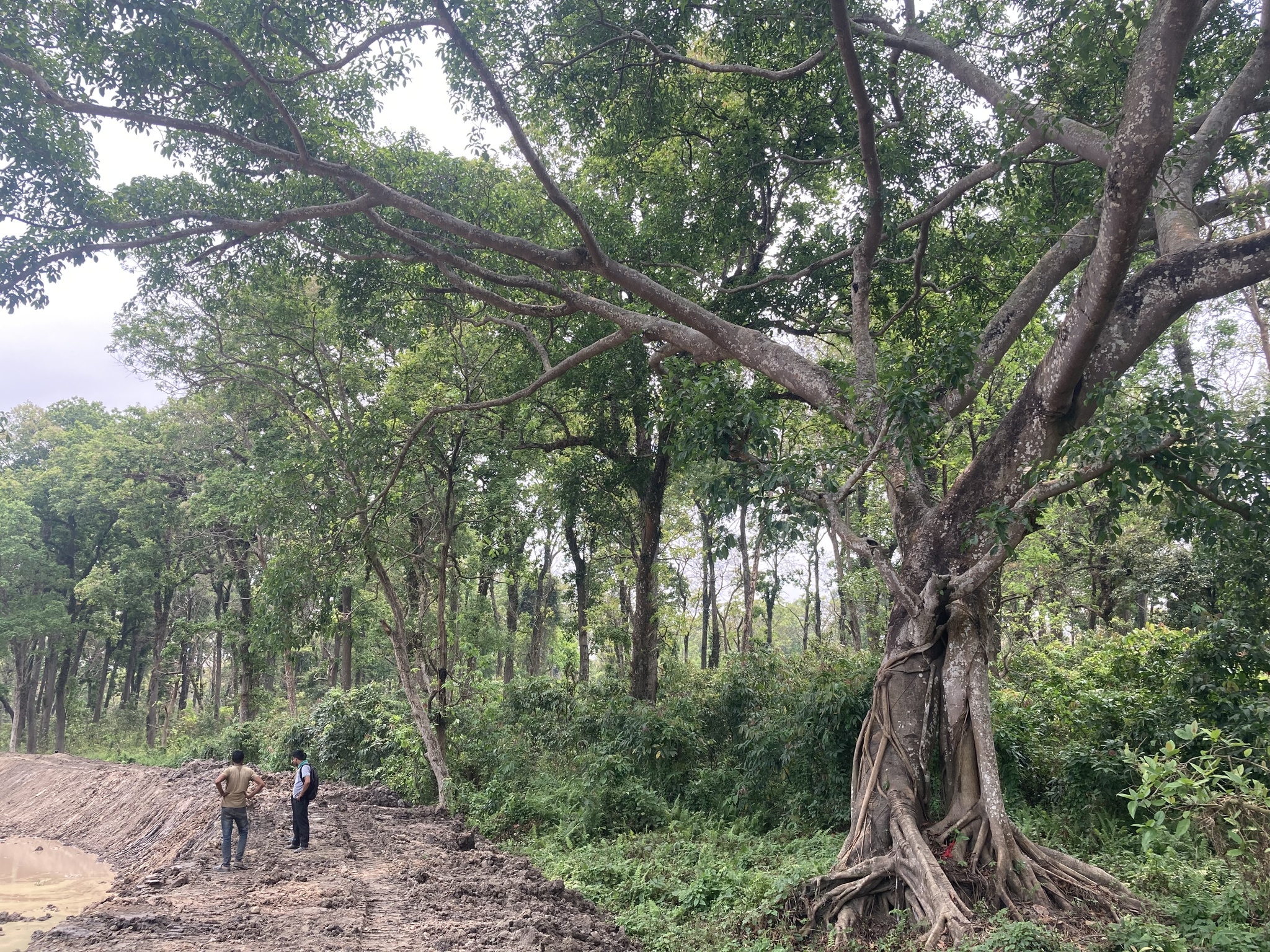
This species comes from Southeast Asia, ranging from the Himalayas into Malaysia, Sumatra, and Java, and it has since naturalized in places like Sri Lanka, Florida, and the West Indies. In its native jungles it can reach up to 100 feet, though as a houseplant it stays far smaller. The common name traces back to the milky latex the tree bleeds when cut, once used as a secondary source of rubber before being displaced by Hevea brasiliensis.
Source: Epic Gardening
Bright Light, Measured Water
Give this plant bright but filtered or indirect light, water moderately through the growing season, and taper off to sparing waterings in winter. A monthly feed with a high-nitrogen fertiliser during active growth keeps it moving along, while an annual topdressing and repotting every two to three years handles the rest. It is content in houseplant compost with moist but well-drained conditions, tolerating acid, neutral, or alkaline soil alike.
Source: RHS
Cuttings or Air-Layering
New plants can be started from semi-hardwood cuttings or grown on through air-layering, both fairly standard approaches for a woody-stemmed ficus like this one.
Source: RHS
Leathery Leaves, Quiet Habit
The rubber plant carries thick, leathery, glossy dark green leaves that can run up to a foot long, sometimes tinged pink to purplish at the stipules. Mature trees in warm climates develop banyan-like aerial roots that thicken into secondary trunks, though this is rarely seen indoors. Selections like 'Decora', with larger leaves and an ivory midrib, and 'Variegata', with yellow-and-green margined foliage, show how varied the leaf patterning can get.
Source: Missouri Botanical Garden
Sap-Feeders to Watch
Under glass, the rubber plant can draw glasshouse red spider mite, thrips, mealybugs, and scale insects. These pests tend to settle into leaf joints and undersides, so a regular look-over there catches trouble early.
Source: RHS
Watering Missteps Show on Leaves
Slow or absent new growth usually points to too little light, while green leaves on a plant that should show red or purple tones often means too much of it. Crispy brown leaves suggest excess light, whereas brown, mushy leaves point instead to fertiliser burn or overwatering, best addressed by pausing water and feed until the soil dries out. Leaf drop can stem from any of these causes, or simply from insufficient humidity.
Source: Epic Gardening
Pruning for Shape
Pruning is not strictly necessary, but trimming the main branches encourages a bushier habit, while leaving the plant unpruned lets it grow into a taller, more tree-like form. This falls under the lightest pruning category, so it is not a demanding task to keep up with.
Source: Missouri Botanical Garden
Care recipe
The species record — the baseline every cultivar inherits unless it says otherwise.
Care notes are early — not yet verified
- Light
- ai:claude-opus-4-8
- Water
- ai:claude-opus-4-8 (range 7-14d)
- Humidity
- ai:claude-opus-4-8
- Soil
- ai:claude-fable-5
- Care
- ai:claude-fable-5
Bright, indirect
≈ every 14 days
Medium
16–30 °C
Well-draining, peat-based potting mix
Stem cuttings or air layering
Balanced liquid feed monthly in the growing season
Moderate
Does not flower indoors
Toxic to cats & dogs
Fig / rubber plant — irritant latex (ficin); GI upset, dermatitis. This is where toxicity lives: every cultivar of this species inherits it and none can override it.
Reference images
Every image credited. Licenses link to their deeds.
PrimarySources: ai:claude-opus-4-8 · ai:claude-opus-4-8 (range 7-14d) · ai:claude-fable-5 · ASPCA
Kept true by its growers
Every fact here carries its source. Grow Rubber Plant yourself? What you’ve observed — how it drinks, how it holds its color, a name that’s off — and a clear photo of your plant are exactly what keep this page honest. Contributions are reviewed before anything changes.
Sign in to add what you know →