Species · genus Euphorbia · Euphorbiaceae
Devil's Backbone
Euphorbia tithymaloides L.
Also known as: Redbird Flower · Japanese Poinsettia · Milkbush · Redbird Cactus · Slipperplant
Cultivars of E. tithymaloides
The named forms growers keep — each with its own page, each honest about how much we know.
No named cultivars catalogued under E. tithymaloides yet. When growers document a stable, named form, it earns its own page here.
Guide
The species-level account. Cultivar pages build on this and say where they differ.
A Zigzagging Succulent Shrub
Euphorbia tithymaloides 'Variegata', commonly called Japanese poinsettia or devil's backbone, is a bushy succulent shrub grown for its fleshy stems and cream-edged foliage. It belongs to the wider Euphorbia genus, a group known for milky sap and small flowers cupped in colourful bracts.
Source: RHS
Sun, Grit, and Restraint
Give this plant full light and a well-drained, loam-based compost with added organic matter and sharp sand. Water moderately through spring and summer, feeding monthly with a balanced liquid fertiliser, then hold back to keep the compost just barely moist over autumn and winter. It appreciates a sheltered spot and tolerates a range of soil pH, but it is not frost hardy and needs protection below about 10°C.
Source: RHS
Seed or Stem Tips
Propagation is straightforward from seed or from stem tip cuttings.
Source: RHS
Ribboned Leaves, Fleshy Stems
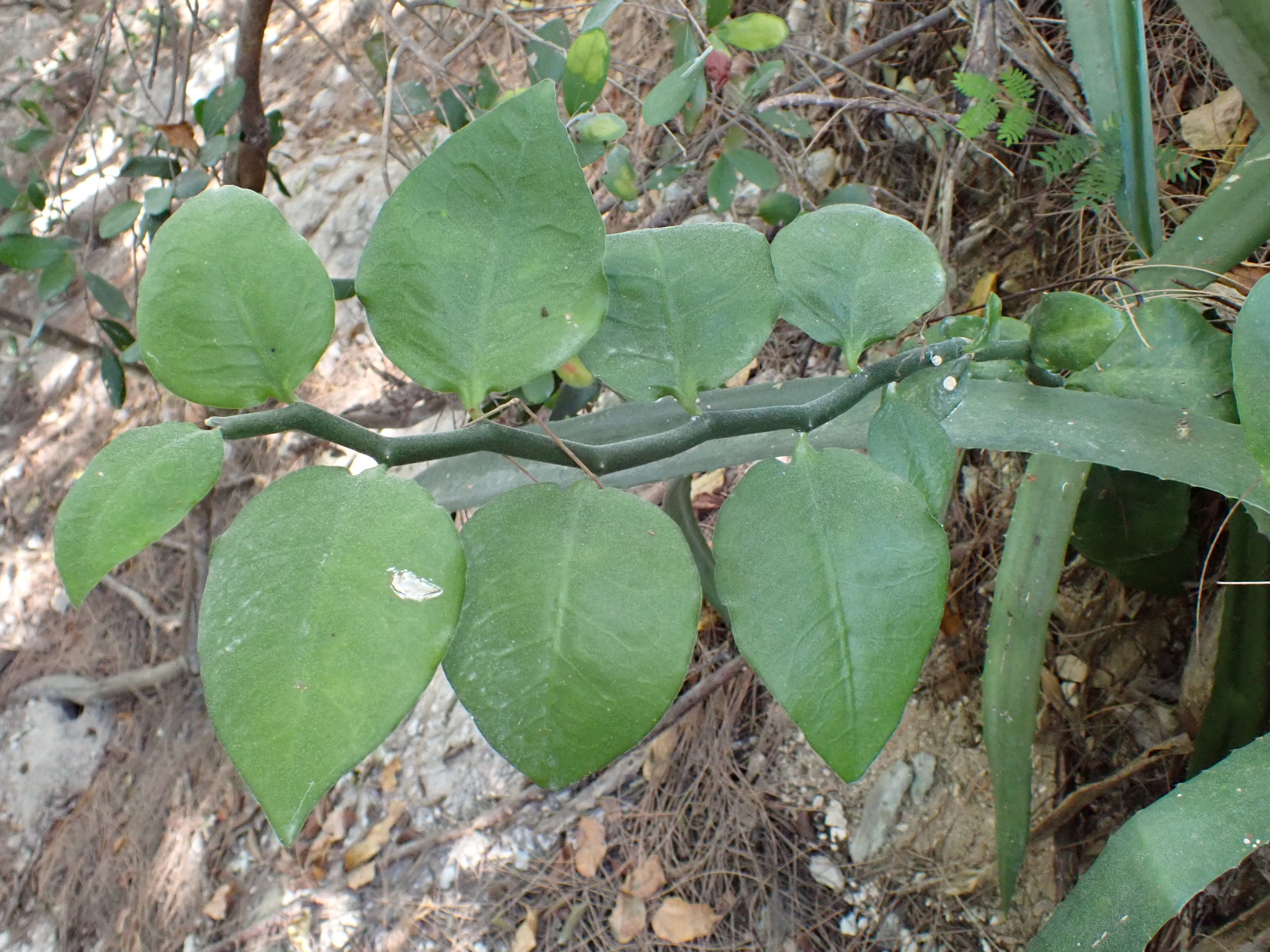
This is an upright, bushy succulent with fleshy green stems and narrowly elliptic, pale green leaves reaching up to 15cm, each edged in white or pale pink. In time it builds into a modest shrub, reaching half a metre to a metre in height and staying fairly narrow in spread. Its many common names, including redbird cactus, ribbon cactus, and slipper plant, hint at the leaf shape and stem habit that make it recognisable.
Source: RHS
Little Intervention Needed
No pruning is required for this shrub, which keeps its bushy habit on its own. It is generally free of both pests and disease, so maintenance largely comes down to following its seasonal watering rhythm. Note, though, that its sap is an irritant to skin and eyes and harmful if eaten, so gloves are worth wearing when handling it.
Source: RHS
Care recipe
The species record — the baseline every cultivar inherits unless it says otherwise.
Care notes are early — not yet verified
- Light
- ai:claude-opus-4-8
- Water
- ai:claude-opus-4-8 (range 10-21d)
- Humidity
- ai:claude-opus-4-8
- Soil
- ai:claude-fable-5
- Care
- ai:claude-fable-5
Bright, indirect
≈ every 21 days
Medium
13–29 °C
Well-draining sandy mix
Stem cuttings rooted after callusing
Balanced feed monthly in the growing season
Moderate
Small red slipper-shaped bracts; occasional indoors
Toxic to cats & dogs & humans
Euphorbiaceae produce an irritant milky latex that can harm skin, eyes, and mucous membranes if ingested. This is where toxicity lives: every cultivar of this species inherits it and none can override it.
Reference images
Every image credited. Licenses link to their deeds.
PrimarySources: ai:claude-opus-4-8 · ai:claude-opus-4-8 (range 10-21d) · ai:claude-fable-5 · ai:claude-opus-4-8 (family inference)
Kept true by its growers
Every fact here carries its source. Grow Devil's Backbone yourself? What you’ve observed — how it drinks, how it holds its color, a name that’s off — and a clear photo of your plant are exactly what keep this page honest. Contributions are reviewed before anything changes.
Sign in to add what you know →