Species · genus Euphorbia · Euphorbiaceae
Hedge Euphorbia
Euphorbia neriifolia L.
Also known as: Indian Spurgetree · Milk Spurge · Oleander Spurge
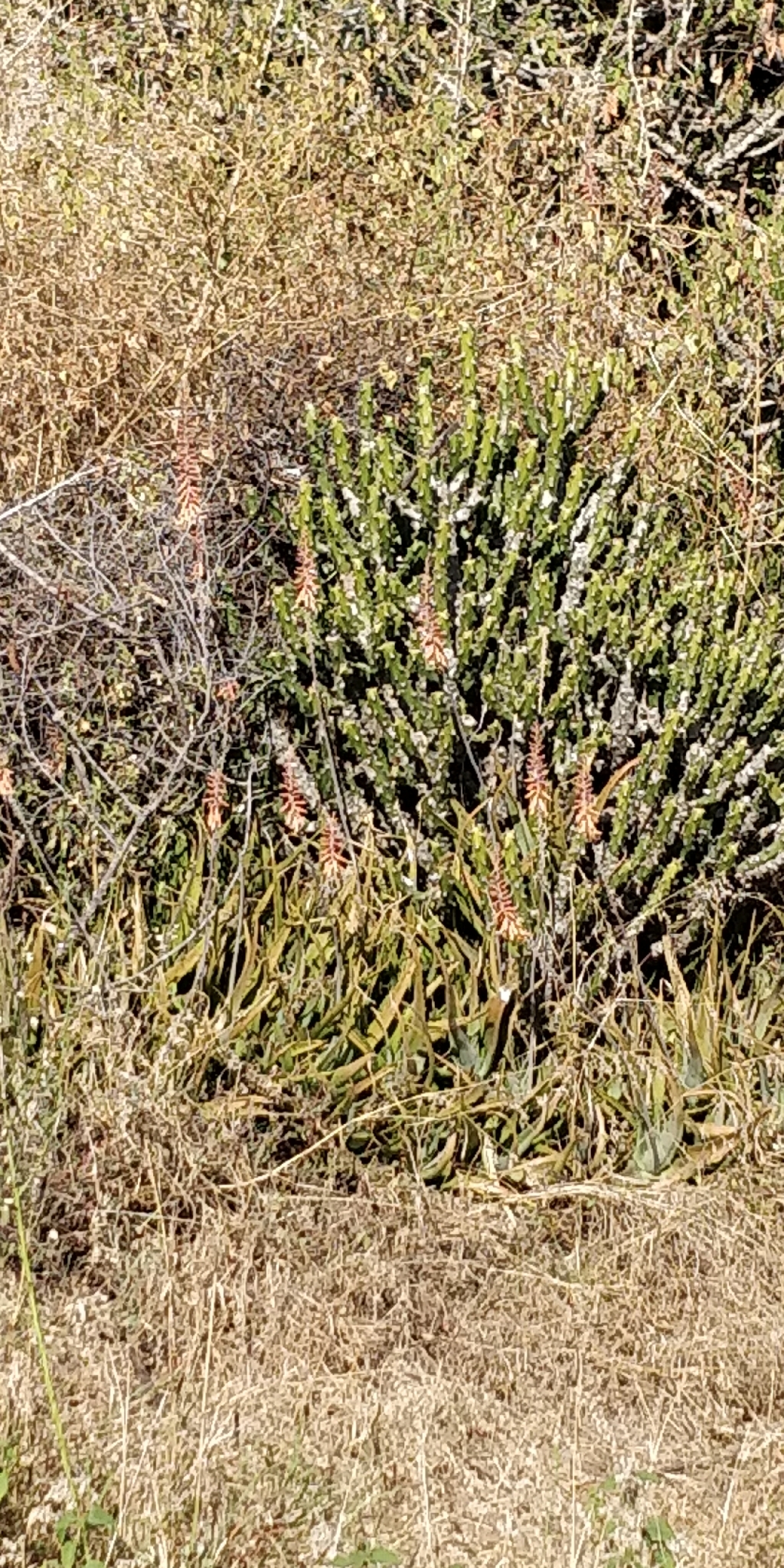
Cultivars of E. neriifolia
The named forms growers keep — each with its own page, each honest about how much we know.
No named cultivars catalogued under E. neriifolia yet. When growers document a stable, named form, it earns its own page here.
Guide
The species-level account. Cultivar pages build on this and say where they differ.
A Two-Plant Oddity
The coral cactus is not truly a cactus at all, but a succulent oddity built from two different Euphorbia species fused into one plant. A crested, fan-shaped top sits atop a sturdier stem, giving it a look that draws comment wherever it sits. It belongs to the Euphorbiaceae family, kin to the poinsettia, and is also known as the candelabra plant or crested euphorbia.
Source: Epic Gardening
Two Species, One Graft
The coral cactus is formed by grafting the crested Euphorbia lactea var. Cristata onto the base of Euphorbia neriifolia. While Euphorbia as a genus is mostly African, both of these parent species trace back to Asia, particularly the Indian subcontinent. Euphorbia neriifolia itself is native across a range stretching from Iran to Myanmar, including India, Pakistan, Bangladesh, and Vietnam, growing as a succulent shrub or tree in wet tropical settings.
Source: Kew
Sun, Sparing Water, Light Feed
Indoors, give it at least four hours of direct sun, ideally from an east-facing window, while outdoor plants do best in full sun or afternoon shade depending on climate; any change in light should be introduced gradually to avoid scorch. Water only as the soil is just about to dry out, watering more in spring and summer and holding back in fall and winter, since dry soil causes wrinkling but wet soil risks rot. Pot it in a dedicated succulent or cacti mix rather than garden soil, keep it above 60°F where possible, and feed a balanced fertilizer at half strength every six to eight weeks through the growing season, skipping fall and winter altogether.
Source: Epic Gardening
Grafting, Not Cuttings
Because the coral cactus is a composite of two species, it cannot be propagated the way ordinary succulents are; new plants must be grafted from a separate Euphorbia neriifolia and Euphorbia lactea var. Cristata. The process involves cutting matching V and arrow shapes into each plant so the pieces fit without gaps, then binding them with twine or grafting tape until they heal over several weeks. It is a fiddly technique with real risk of rot or a poor union, so many gardeners find it simpler to buy an already-grafted plant.
Source: Epic Gardening
Fan-Shaped, Spined, Rarely Flowering
The recognizable crest comes in shades from ordinary green through ghostly white to purple, red, or pink, and carries sharp spines best kept away from bare hands. Its sap is an irritant to skin and worse to eyes, so gloves are a sensible habit when tending it. Flowering is possible in the right conditions but rare, and indoor specimens are grown for form rather than bloom.
Source: Epic Gardening
Scale, Mites, Mealybugs
Coral cactus commonly draws scale, spider mites, and mealybugs, pests that show up often enough on Euphorbias generally. Light infestations can be picked off by hand, while heavier ones respond to repeated spot-treatment with rubbing alcohol. Powdery mildew and root rot are less frequent but worth watching for, particularly if humidity or watering habits go astray.
Source: Epic Gardening
Wrinkling, Yellowing, Stray Branches
A wrinkled crest usually points to drought stress from too little water, though it can also follow overwatering if paired with mushy stems, in which case watering should be paused and the roots checked for rot. Yellowing is a rarer but more serious sign of overwatering or poor drainage, especially if the stems have gone soft, and calls for prompt repotting and trimming of damaged roots. Extra branches sprouting from the base plant are simply natural growth and can be left in place or trimmed away as preferred.
Source: Epic Gardening
Slow Growth, Rare Repotting
This is a slow grower that rarely outpaces its original grafted size, so it can sit contentedly in the same pot for years. A soil refresh every three to four years is enough, best done in spring or summer, replanting in the same mix to avoid transplant shock. If moving to a larger container, going up just one size and keeping conditions consistent is the safer path.
Source: Epic Gardening
Care recipe
The species record — the baseline every cultivar inherits unless it says otherwise.
Care notes are early — not yet verified
- Light
- ai:claude-opus-4-8
- Water
- ai:claude-opus-4-8 (range 14-28d)
- Humidity
- ai:claude-opus-4-8
- Soil
- ai:claude-fable-5
- Care
- ai:claude-fable-5
Direct sun
≈ every 28 days
Low — average room
13–32 °C
Gritty, fast-draining cactus and succulent mix
Stem cuttings, callused before potting
Light succulent feed once or twice in the growing season
Slow
Rarely flowers indoors
Toxic to cats & dogs & humans
Euphorbiaceae produce a caustic milky latex that irritates skin, eyes, and mucous membranes. This is where toxicity lives: every cultivar of this species inherits it and none can override it.
Reference images
Every image credited. Licenses link to their deeds.
PrimarySources: ai:claude-opus-4-8 · ai:claude-opus-4-8 (range 14-28d) · ai:claude-fable-5 · ai:claude-opus-4-8 (family inference)
Kept true by its growers
Every fact here carries its source. Grow Hedge Euphorbia yourself? What you’ve observed — how it drinks, how it holds its color, a name that’s off — and a clear photo of your plant are exactly what keep this page honest. Contributions are reviewed before anything changes.
Sign in to add what you know →