Species · genus Euphorbia · Euphorbiaceae
Cushion Spurge
Euphorbia epithymoides L.
Cultivars of E. epithymoides
The named forms growers keep — each with its own page, each honest about how much we know.
No named cultivars catalogued under E. epithymoides yet. When growers document a stable, named form, it earns its own page here.
Guide
The species-level account. Cultivar pages build on this and say where they differ.
What Cushion Spurge Is
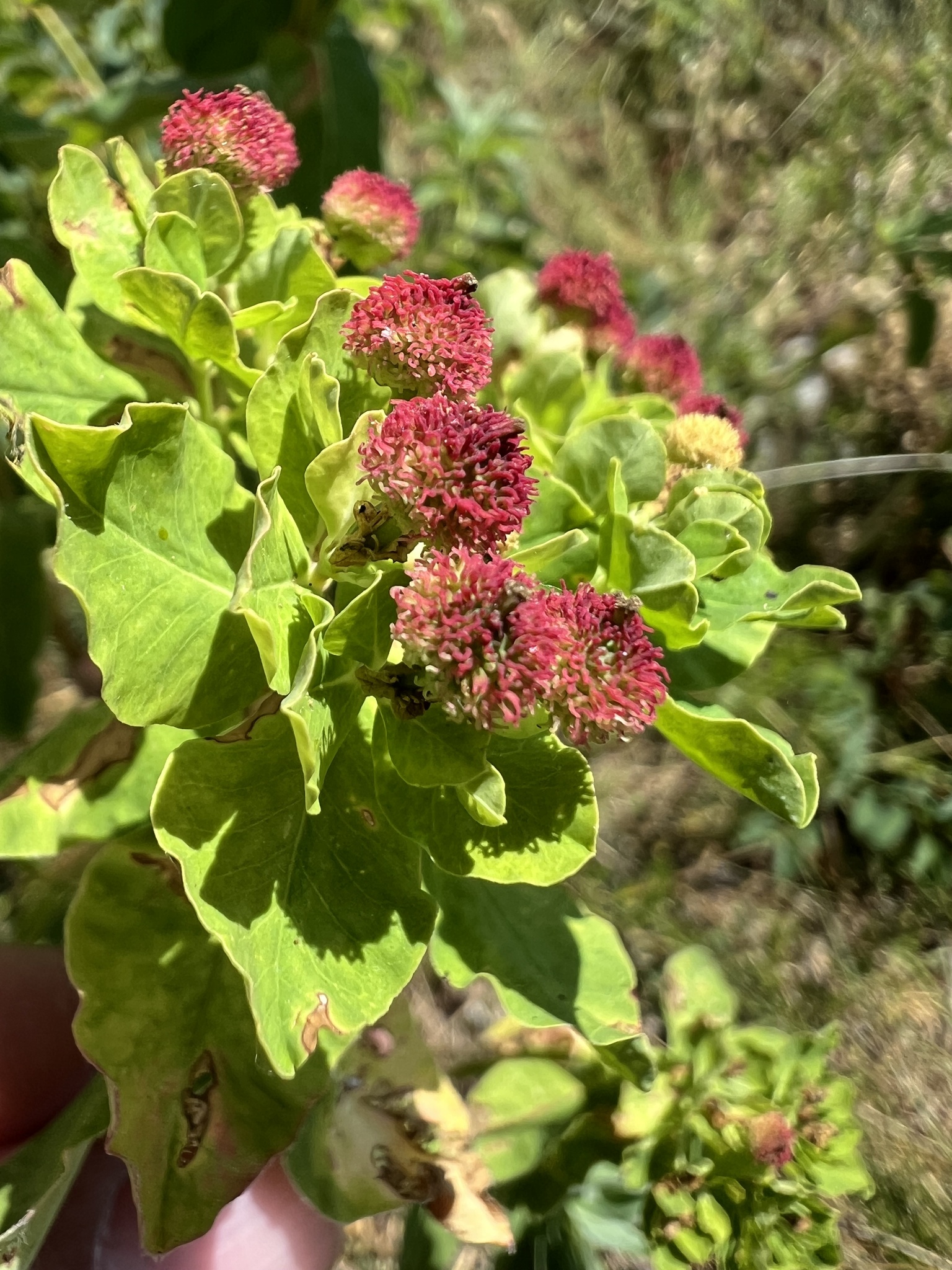
Cushion spurge, Euphorbia epithymoides, is a herbaceous perennial that forms a compact, rounded clump of narrow, mid-green leaves topped with terminal clusters of bright greenish-yellow flowers. It grows to around 45cm and is also known by its synonym Euphorbia polychroma, with named forms such as 'Major' and 'Midas' offering slightly different sizes and flower tones.
Source: RHS
Where It Grows Naturally
This species is native to Europe and North Africa, and is not native to Britain or Ireland. It belongs to the genus Euphorbia, a wide-ranging group that includes annuals, perennials, shrubs and succulents, all sharing milky sap and small flowers held within colourful cupped bracts.
Source: RHS
Light Soil And Position
Cushion spurge is an easy plant, content in full sun or partial shade and tolerant of exposed or sheltered spots facing any direction. It accepts chalk, clay, loam or sand, in moist but well-drained or well-drained soil across acid, alkaline or neutral pH, and it copes well with drought. It is hardy throughout the UK and northern Europe, rated H6.
Source: RHS
Dividing And Cuttings
Increase your stock by division in early spring, or by taking basal cuttings in spring or early summer. Because the sap can bleed freely, dip cut surfaces in charcoal or lukewarm water to stop it.
Source: RHS
Cushion Habit And Bracts
The plant forms a neat, clump-forming cushion, deciduous each year, with narrow mid-green leaves in the type species and darker, oval leaves in the larger 'Major' form, whose flowerheads reach 6-8cm across. 'Midas' carries especially bright, golden yellow flower clusters in spring and early summer.
Source: RHS
Mostly Trouble Free
The species itself and the 'Midas' form are generally free of pests and disease, though the 'Major' cultivar can be susceptible to aphids and to grey mould. Handle the plant with gloves regardless, since the sap is irritant to skin and eyes and harmful if eaten.
Source: RHS
Cutting Back Spent Stems
Once flowering is over, cut the flowering shoots back to ground level in late summer or autumn. This tidies the clump ahead of the next season's growth.
Source: RHS
Care recipe
The species record — the baseline every cultivar inherits unless it says otherwise.
Care notes are early — not yet verified
- Light
- ai:claude-opus-4-8
- Water
- ai:claude-opus-4-8 (range 9-16d)
- Humidity
- ai:claude-opus-4-8
- Soil
- ai:claude-fable-5
- Care
- ai:claude-fable-5
Direct sun
≈ every 16 days
Low — average room
5–26 °C
Well-draining loamy mix for a clumping perennial
Division in spring, or seed
Light balanced feed once or twice in the growing season
Moderate
Bright acid-yellow bracts in spring
Toxic to cats & dogs & humans
Euphorbiaceae produce an irritant milky latex that can harm skin, eyes, and mucous membranes if handled or ingested. This is where toxicity lives: every cultivar of this species inherits it and none can override it.
Reference images
Every image credited. Licenses link to their deeds.
PrimarySources: ai:claude-opus-4-8 · ai:claude-opus-4-8 (range 9-16d) · ai:claude-fable-5 · ai:claude-opus-4-8 (family inference)
Kept true by its growers
Every fact here carries its source. Grow Cushion Spurge yourself? What you’ve observed — how it drinks, how it holds its color, a name that’s off — and a clear photo of your plant are exactly what keep this page honest. Contributions are reviewed before anything changes.
Sign in to add what you know →