Species · genus Euphorbia · Euphorbiaceae
Flowering Spurge
Euphorbia corollata L.
Also known as: American Spurge · Blooming Spurge · Eastern Flowering Spurge · Poison-milkweed · Floweringspurge Euphorbia
Cultivars of E. corollata
The named forms growers keep — each with its own page, each honest about how much we know.
No named cultivars catalogued under E. corollata yet. When growers document a stable, named form, it earns its own page here.
Guide
The species-level account. Cultivar pages build on this and say where they differ.
An Odd, Milky Shrub
This is Euphorbia lactea, a mottled spurge often mistaken for a cactus, though it is in fact a shrub that runs on milky sap rather than true cactus tissue. It grows as a tall, lanky stem topped with three-sided, candelabra-like arms, giving it a wobbly, almost hand-drawn silhouette.
Source: Epic Gardening
Tropical Asian Roots
Mottled spurge comes from India, Sri Lanka, and other tropical parts of Asia, which explains why it tolerates humidity so readily despite its cactus-like looks. In warm zones, ten and eleven, it can live outdoors year-round and is often grown as a hedge or fence plant, while elsewhere it settles in as a houseplant.
Source: Epic Gardening
Sun, Drought, and Restraint
Give this plant full to partial sun, moving it into brighter light gradually so it does not scorch, and set it in sandy, well-draining soil that never stays wet. Water generously enough to soak through in summer, roughly once a week, then let it dry out completely before the next drink, and cut back to barely any water at all in winter. It handles humidity well given its tropical origin, but cannot tolerate temperatures below about 40°F (4°C), and appreciates a diluted, low-nitrogen feed monthly from spring through fall with none in winter.
Source: Epic Gardening
Cuttings and Grafting
The plain, unadorned form of this euphorbia propagates readily from stem cuttings taken in spring or summer, sliced at the arm's connection to the main stem and left to callous for one to two weeks before being set upright in soil. It roots best with some heat beneath it. The crested and variegated forms, by contrast, root poorly on their own and are usually grafted instead onto Euphorbia neriifolia, producing what is sold as coral cactus.
Source: Epic Gardening
Mottled Arms and Rare Blooms
The green stems are marked with mottled white stripes, edged with small but sharp spines, which together earned it the nickname mottled spurge. It flowers only rarely, and mostly in the wild, producing small yellow-tinged blooms at the plant's edge. Occasionally tiny teardrop leaves appear at the stem tips, though these tend to drop quickly. Notable cultivars include the wavy-paddled Crested form, variegated types splashed with yellow, pink, or violet, and the pale, light-sensitive White Ghost.
Source: Epic Gardening
Mealybugs and Mites
Mealybugs are the most persistent visitor, drawn to the sap and announcing themselves with small cottony nests before an infestation turns the plant yellow and wilted. Spider mites can also show up, leaving fine webs behind; a strong rinse of water or a diluted neem application usually clears them. Mealybugs respond to a cotton swab dipped in diluted rubbing alcohol, though insecticidal soap is best avoided here since it can damage the plant itself.
Source: Epic Gardening
Reading the Stem's Signals
Overwatering shows up as yellowing, browning, and a mushy texture, while underwatering causes wrinkling and wilting, and the plant recovers faster from too little water than too much. Root rot follows from constant wetness and poor drainage, turning affected sections brownish-black and mushy, and calls for cutting away the damaged tissue and letting the wound dry before replanting. Powdery mildew can also appear where air circulation is poor, and is treatable early on with a mild baking soda and water wash.
Source: Epic Gardening
Repotting with Care
Because its roots stay modest even on a tall plant, this euphorbia rarely becomes rootbound, but a new purchase still benefits from moving into a pot about two inches wider and heavy enough to keep it from toppling. Handle it in gloves, and ideally with covered arms and eye protection, since the sap is toxic and irritating on contact. After repotting, hold off on watering for a couple of weeks to let any root damage heal, and prune back unwanted stems or reverted straight growth on crested forms as needed.
Source: Epic Gardening
Care recipe
The species record — the baseline every cultivar inherits unless it says otherwise.
Care notes are early — not yet verified
- Light
- ai:claude-opus-4-8
- Water
- ai:claude-opus-4-8 (range 10-18d)
- Humidity
- ai:claude-opus-4-8
- Soil
- ai:claude-fable-5
- Care
- ai:claude-fable-5
Direct sun
≈ every 18 days
Low — average room
10–27 °C
Free-draining gritty mix for a herbaceous perennial
Division or seed
Light balanced feed a couple of times in summer
Moderate
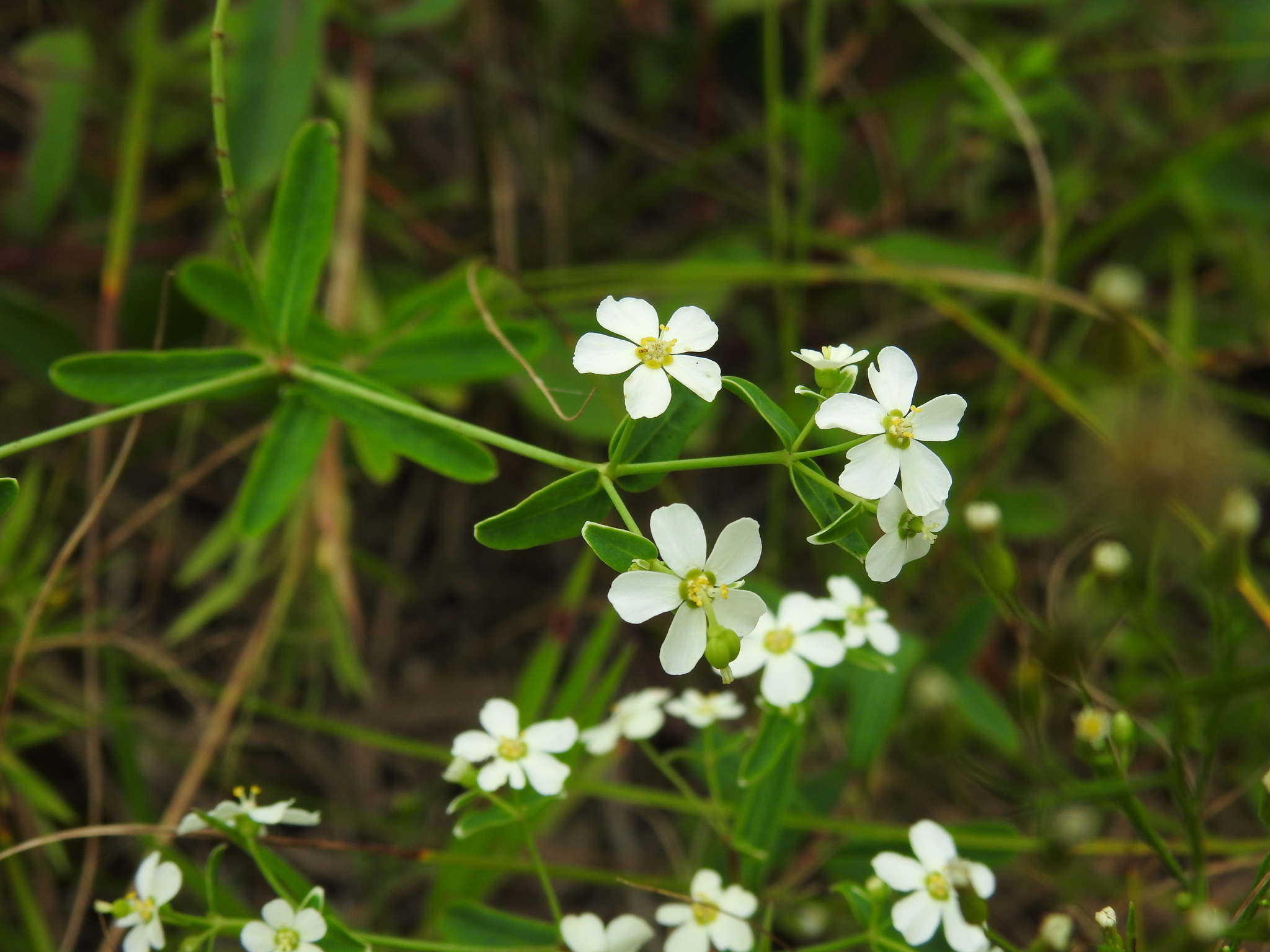
Airy clouds of tiny white bracts in summer
Toxic to cats & dogs & humans
Euphorbiaceae produce a milky latex that is a skin and mucous-membrane irritant and toxic if ingested. This is where toxicity lives: every cultivar of this species inherits it and none can override it.
Reference images
Every image credited. Licenses link to their deeds.
PrimarySources: ai:claude-opus-4-8 · ai:claude-opus-4-8 (range 10-18d) · ai:claude-fable-5 · ai:claude-opus-4-8 (family inference)
Kept true by its growers
Every fact here carries its source. Grow Flowering Spurge yourself? What you’ve observed — how it drinks, how it holds its color, a name that’s off — and a clear photo of your plant are exactly what keep this page honest. Contributions are reviewed before anything changes.
Sign in to add what you know →