Species · genus Dypsis · Arecaceae
Yellow Butterfly Palm
Dypsis lutescens (H.Wendl.) Beentje & J.Dransf.
Also known as: Areca Palm · Butterfly Palm · Cane Palm · Golden-yellow Palm · Yellow Palm
Cultivars of D. lutescens
The named forms growers keep — each with its own page, each honest about how much we know.
No named cultivars catalogued under D. lutescens yet. When growers document a stable, named form, it earns its own page here.
Guide
The species-level account. Cultivar pages build on this and say where they differ.
A cluster of golden canes
Dypsis lutescens, commonly called the bamboo palm, areca palm, or butterfly palm, is a multi-stemmed palm from the Arecaceae family. It is now considered the most popular palm sold as a houseplant, valued for its clumping habit and feathery, arching fronds.
Source: Missouri Botanical Garden
A Madagascar native, endangered at home
This palm comes from moist forest areas of Madagascar, where it is considered endangered in the wild, yet it has become widely commercially available across the world. It was formerly classified as Chrysalidocarpus lutescens, and its species name refers to the yellow coloring found in its stems, midribs, and flowers.
Source: Missouri Botanical Garden
Bright, humid, evenly moist
As a houseplant, this palm prefers mostly sunny exposure with high humidity and consistent moisture, though direct full sun through a window can scorch the foliage. It dislikes temperatures dropping below 60 degrees Fahrenheit. Under glass cultivation calls for bright indirect light in a peat-free, loam-based potting mix, with generous watering and a balanced liquid feed two or three times through the growing season, tapering to sparing water in winter.
Source: RHS
Grown from seed, warmly
Propagation is done by seed, sown at a temperature of not less than 25 degrees Celsius.
Source: RHS
Bamboo-like canes, feathery fronds
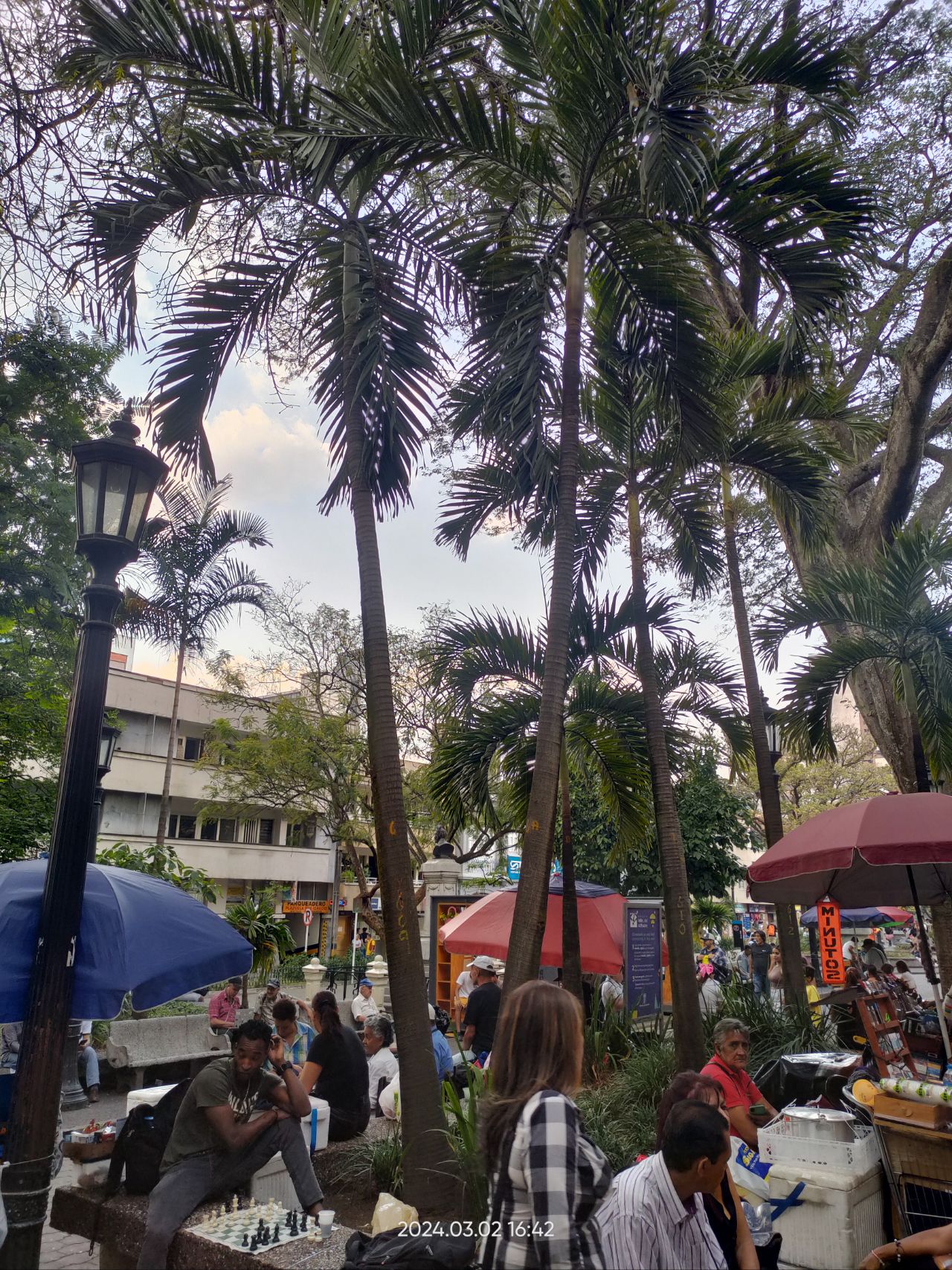
Multiple ringed, cane-like yellow stems rise in clusters from the base, sometimes resembling bamboo when the suckering growth is removed, which is where the common name comes from. Each stem carries pinnate, upward-curving light green leaves reaching three to six feet long, with yellow midribs and forty to sixty lance-shaped leaflets on each side. In summer it produces panicles of small, unshowy yellow flowers up to two feet long, followed by small yellow-orange fruit that darkens to nearly black as it matures.
Source: Missouri Botanical Garden
Watch for sap-suckers
Scale and whiteflies are the insect pests most commonly noted on this palm, and spider mites are worth watching for as well. The RHS also flags susceptibility to red spider mite, mealybugs, thrips, and scale insects under glass.
Source: Missouri Botanical Garden
Few problems, one serious exception
This palm has no serious insect or disease problems overall, and the RHS likewise describes it as generally disease-free. The one significant threat is lethal yellowing, a deadly phytoplasma disease spread by planthoppers, which can affect plants grown outdoors.
Source: Missouri Botanical Garden
Low upkeep, no pruning needed
Overall maintenance is low, and no pruning is required for this palm.
Source: RHS
Care recipe
The species record — the baseline every cultivar inherits unless it says otherwise.
Care notes are early — not yet verified
- Light
- ai:claude-opus-4-8
- Water
- ai:claude-opus-4-8 (range 7-12d)
- Humidity
- ai:claude-opus-4-8
- Soil
- ai:claude-fable-5
- Care
- ai:claude-fable-5
Bright, indirect
≈ every 12 days
Medium
16–29 °C
Well-draining peat-based mix with sand and perlite
Seed; occasionally by dividing clumping suckers
Balanced palm feed monthly in spring and summer
Moderate
Rarely flowers indoors
Non-toxic to cats & dogs
Areca / golden-cane palm (Dypsis lutescens) — ASPCA non-toxic to cats, dogs, horses. This is where toxicity lives: every cultivar of this species inherits it and none can override it.
Reference images
Every image credited. Licenses link to their deeds.
Sources: ai:claude-opus-4-8 · ai:claude-opus-4-8 (range 7-12d) · ai:claude-fable-5 · ASPCA
Kept true by its growers
Every fact here carries its source. Grow Yellow Butterfly Palm yourself? What you’ve observed — how it drinks, how it holds its color, a name that’s off — and a clear photo of your plant are exactly what keep this page honest. Contributions are reviewed before anything changes.
Sign in to add what you know →