Species · genus Dracaena · Asparagaceae
Gold Dust Dracaena
Dracaena surculosa Lindl.
Also known as: Spotted Dracaena
Cultivars of D. surculosa
The named forms growers keep — each with its own page, each honest about how much we know.
No named cultivars catalogued under D. surculosa yet. When growers document a stable, named form, it earns its own page here.
Guide
The species-level account. Cultivar pages build on this and say where they differ.
Gold Dust Dracaena
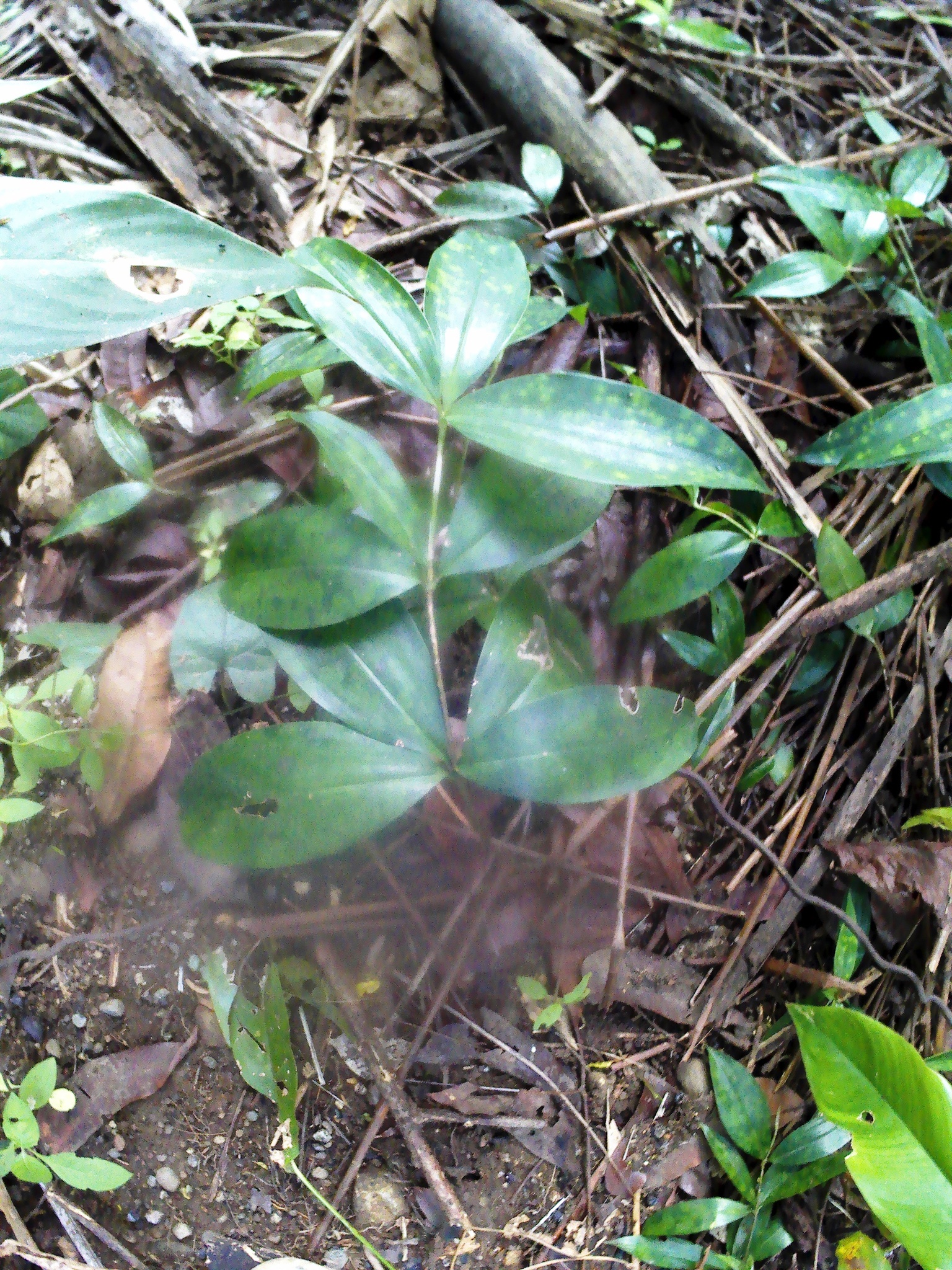
Dracaena surculosa, known as gold dust dracaena or spotted dracaena, is a tropical evergreen shrub grown for its glossy, patterned foliage. It carries slender upright stems and narrowly oval leaves, sometimes marked with white blotches, and mature specimens can produce small greenish-white flowers followed by round red berries.
Source: RHS
A West African Native
This shrub's natural range lies in tropical West Africa. In cultivation it is grown as a houseplant, conservatory subject, or greenhouse specimen rather than outdoors in temperate climates, since it needs warmth year round.
Source: RHS
Light, Water, Feed
Grow this dracaena in peat-free, loam-based compost, in full light but shaded from hot sun, with moderate humidity. Water moderately through the growing season, ideally with rainwater since the plant dislikes tap water, and cut back to sparing watering in winter. Feed with a balanced liquid fertiliser once a month from spring to autumn.
Source: RHS
Cuttings And Seed
Propagation is by semi-ripe cuttings taken in late spring to early summer, or by leafless stem sections in spring, both generally helped along with bottom heat. Seed can also be sown in spring at a temperature of 18 to 20 degrees Celsius.
Source: RHS
Blotched, Glossy Leaves
The species shows glossy, narrowly oval leaves sometimes blotched with white, on slender upright stems reaching up to about three metres in the wild. The variegated form 'Florida Beauty' takes this further, with broadly elliptic leaves heavily marked in creamy-white, held on slender branches in a bushier habit than the species. Both can, on maturity, bear small greenish-white flowers followed by orange or red berries.
Source: RHS
Watch For Sap Feeders
Under glass or indoors this dracaena may attract scale insects, glasshouse red spider mite, thrips, and mealybugs. It is otherwise considered generally free of disease.
Source: RHS
Toxic If Eaten
Sold under the name Florida Beauty, this plant contains saponins and is toxic to both dogs and cats. Ingestion can bring on vomiting, sometimes with blood, along with depression, loss of appetite, drooling, and in cats, dilated pupils, so it is worth keeping out of reach of curious pets.
Source: ASPCA
Little Pruning Needed
This plant asks for no routine pruning. Top dress or pot on in spring, and if growth has become weak, the plant can be cut back hard, to within about 15cm of the base, in spring to renew it.
Source: RHS
Care recipe
The species record — the baseline every cultivar inherits unless it says otherwise.
Care notes are early — not yet verified
- Light
- ai:claude-opus-4-8
- Water
- ai:claude-opus-4-8 (range 7-14d)
- Humidity
- ai:claude-opus-4-8
- Soil
- ai:claude-fable-5
- Care
- ai:claude-fable-5
Bright, indirect
≈ every 14 days
Medium
16–29 °C
Loose, well-draining mix with peat and perlite
Stem cuttings rooted in moist mix
Balanced liquid feed monthly in the growing season
Slow
Occasionally produces small fragrant flowers indoors
Toxic to cats & dogs
Saponins — vomiting (occasionally with blood), depression, anorexia, drooling. This is where toxicity lives: every cultivar of this species inherits it and none can override it.
Reference images
Every image credited. Licenses link to their deeds.
PrimarySources: ai:claude-opus-4-8 · ai:claude-opus-4-8 (range 7-14d) · ai:claude-fable-5 · ASPCA
Kept true by its growers
Every fact here carries its source. Grow Gold Dust Dracaena yourself? What you’ve observed — how it drinks, how it holds its color, a name that’s off — and a clear photo of your plant are exactly what keep this page honest. Contributions are reviewed before anything changes.
Sign in to add what you know →