Species · genus Dracaena · Asparagaceae
Song Of India
Dracaena reflexa Lam.
Also known as: Pleomele
Cultivars of D. reflexa
The named forms growers keep — each with its own page, each honest about how much we know.
No named cultivars catalogued under D. reflexa yet. When growers document a stable, named form, it earns its own page here.
Guide
The species-level account. Cultivar pages build on this and say where they differ.
A Whorled Tropical Shrub
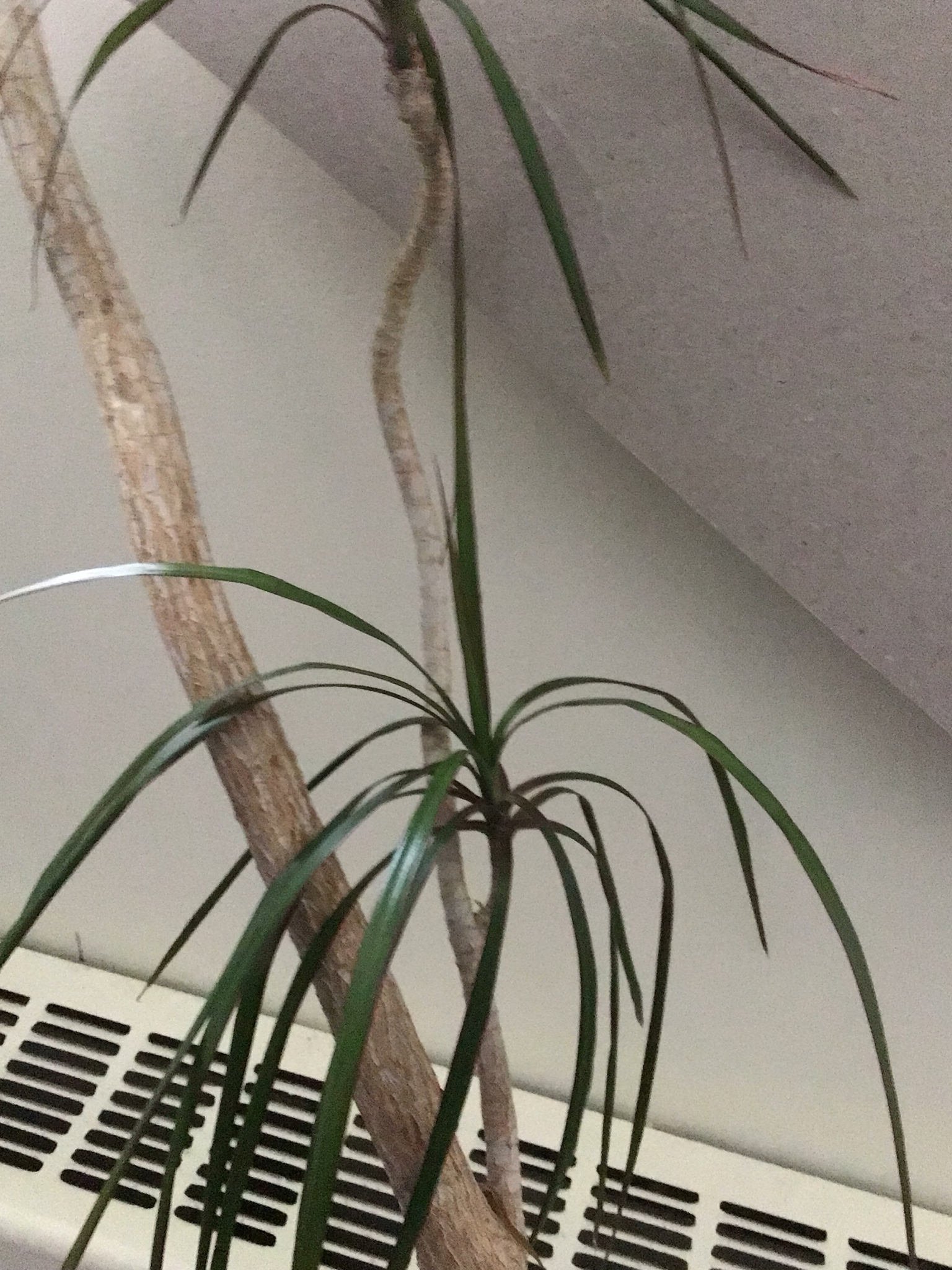
Dracaena reflexa, sold under names like 'Song of India' and 'Song of Jamaica', is a tropical evergreen shrub grown mainly as a houseplant. It carries an upright, columnar habit with sparsely branching stems, and it sits in the Asparagaceae family alongside its dracaena relatives.
Source: RHS
Light, Water, Feed
Give this dracaena full light but shield it from hot direct sun, and pot it in a peat-free, loam-based mix. Water moderately through the growing season, ideally with rainwater since the plant dislikes tap water, then cut back to sparing winter watering. Feed monthly with a balanced liquid fertiliser while it is actively growing. Costa Farms adds a simple household check: water when the top inch of soil feels dry, and use a humidifier or pebble tray to lift humidity in winter.
Source: RHS
Semi-Ripe Stem Cuttings
Propagate by semi-ripe cuttings taken in late spring to early summer, using bottom heat if needed to encourage rooting. Any weak stems cut back to about fifteen centimetres in spring can themselves supply the cutting material.
Source: RHS
Whorled, Variegated Foliage
The leaves are elliptic and deep green, arranged in dense whorls or spirals around the stem. Depending on the cultivar, the margins run a light yellow-green, as in 'Song of India', or the variegation sits toward the leaf centre, as in 'Song of Jamaica'. Left to mature, plants can reach one to two and a half metres, with a bushy or columnar upright form.
Source: RHS
Watch For Sap Feeders
This dracaena can attract scale insects, glasshouse red spider mite, thrips, and mealybugs. It is otherwise generally free of disease.
Source: RHS
Reading the Leaves
Brown leaf tips usually mean the plant has gone too long without water, so resist the urge to overcorrect with overwatering, which remains the most common way houseplants are lost. Dropping leaves point the other way, often signalling that roots have sat in wet soil too long. A faint film of dust on the leaves can also quietly choke photosynthesis, so an occasional wipe with a damp cloth matters more than it seems.
Source: Costa Farms
Tidying and Renewal
No routine pruning is required, though weak or out-of-proportion stems can be shortened in spring, and top dressing or potting on is best done that same season. Costa Farms suggests a periodic tidy: snip off dead leaves and browned tips with scissors, dust the foliage monthly so the plant can photosynthesise properly, and trim caned stems back if you want to keep the plant compact, since new growth will sprout below the cut.
Source: RHS
Care recipe
The species record — the baseline every cultivar inherits unless it says otherwise.
Care notes are early — not yet verified
- Light
- ai:claude-opus-4-8
- Water
- ai:claude-opus-4-8 (range 10-18d)
- Humidity
- ai:claude-opus-4-8
- Soil
- ai:claude-fable-5
- Care
- ai:claude-fable-5
Bright, indirect
≈ every 18 days
Medium
16–29 °C
Rich, well-draining potting mix with perlite
Stem tip cuttings rooted in moist mix
Balanced liquid feed monthly in spring and summer
Slow
Rarely flowers indoors
Toxic to cats & dogs
Saponins — vomiting (occasionally with blood), depression, anorexia, drooling. This is where toxicity lives: every cultivar of this species inherits it and none can override it.
Reference images
Every image credited. Licenses link to their deeds.
PrimarySources: ai:claude-opus-4-8 · ai:claude-opus-4-8 (range 10-18d) · ai:claude-fable-5 · ASPCA
Kept true by its growers
Every fact here carries its source. Grow Song Of India yourself? What you’ve observed — how it drinks, how it holds its color, a name that’s off — and a clear photo of your plant are exactly what keep this page honest. Contributions are reviewed before anything changes.
Sign in to add what you know →