Species · genus Dracaena · Asparagaceae
Corn Plant
Dracaena fragrans (L.) Ker Gawl.
Also known as: Fragrant Dracaena · Cornstalk Dracaena · Dracaena 'Janet Craig Compact' · Happy Plant
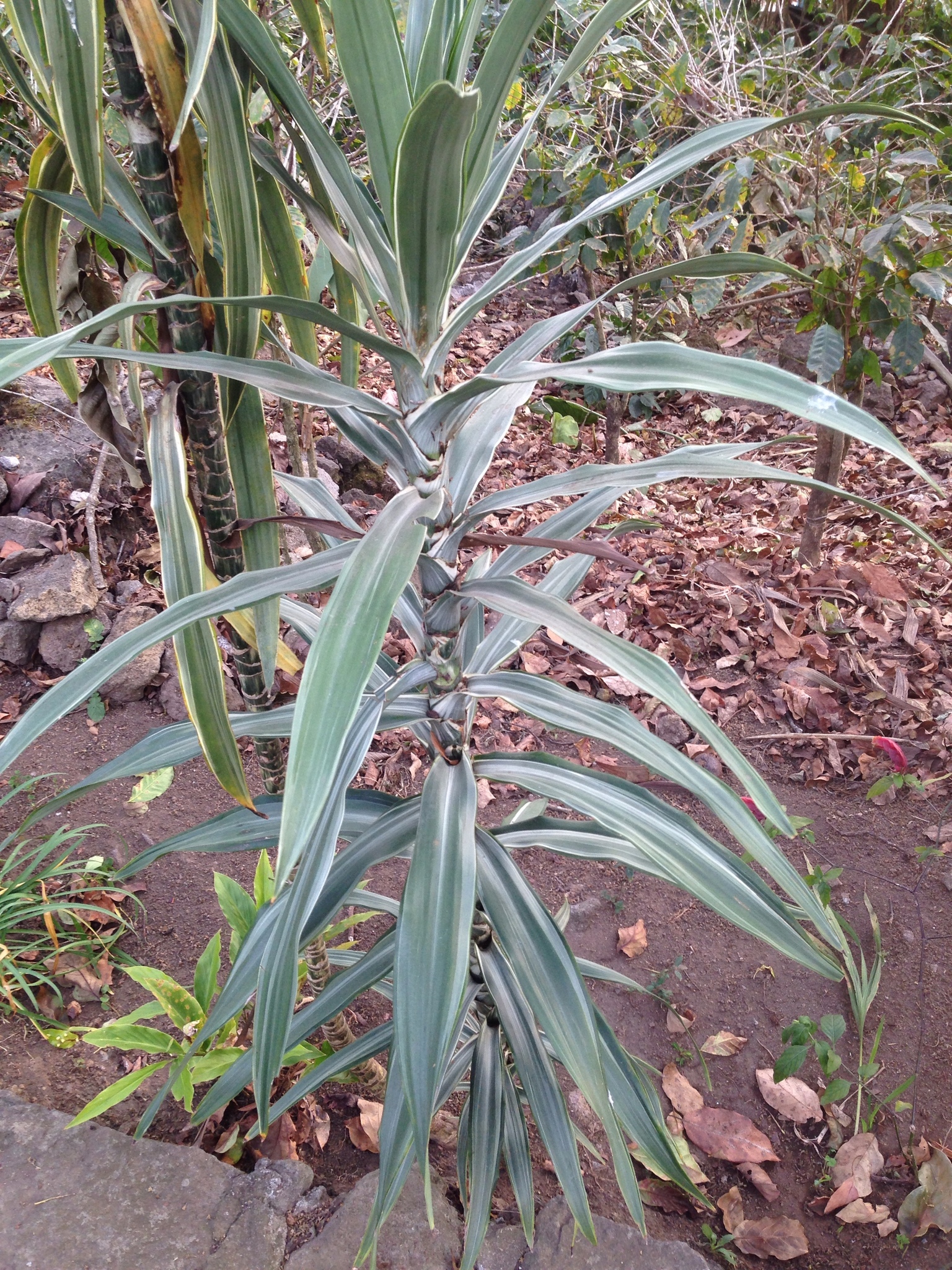
Cultivars of D. fragrans
The named forms growers keep — each with its own page, each honest about how much we know.
No named cultivars catalogued under D. fragrans yet. When growers document a stable, named form, it earns its own page here.
Guide
The species-level account. Cultivar pages build on this and say where they differ.
A resilient dragon plant
Dracaena, sometimes called the dragon tree, is a tropical houseplant valued for being handsome and undemanding at once. A fountain of long, narrow, glossy leaves sits atop a woody stem, giving the plant an almost palm-like presence as it ages. Large specimens can make a genuine focal point in a room.
Source: RHS
Tropical roots, garden favourite
Most of the dracaenas grown indoors, chiefly Dracaena fragrans and D. marginata, trace back to tropical parts of Africa, southern Asia and Australia. The name itself comes from the ancient Greek drakaina, meaning female dragon, and one relative, Dracaena draco, is known for oozing a red sap called dragon's blood. Recent DNA work has folded the familiar snake plant, once known as Sansevieria, into this same genus, though its care needs remain distinct enough to warrant separate guidance.
Source: RHS
Warmth, light and acid water
Give a dracaena bright but indirect light, away from direct summer sun, and keep it consistently warm, ideally between 18 and 30°C, clear of cold draughts and radiators. These are humidity-loving plants, so a tray of moist gravel or grouping with other plants helps, along with occasional misting. Water only once the top layer of compost has dried, using rainwater or filtered water rather than hard tap water, and feed with a general liquid houseplant fertiliser from April to October.
Source: RHS
Cuttings over seed
The straightforward route is semi-ripe or hardwood cuttings taken in summer, rooted with a little bottom heat from a propagator or heated mat. Growing from seed is possible if a plant flowers and sets fruit, sown in a heated propagator at 18 to 21°C, though the resulting plants may not match the parent exactly.
Source: RHS
Cane, leaf and rare bloom
A dracaena's character comes from its sturdy cane-like stems topped with strap-shaped leaves, often striped or edged in cream, yellow or crimson depending on the cultivar. Left to mature, the stem climbs steadily and can eventually reach 2m or more indoors. Occasionally a mature plant will surprise its keeper with clusters of small, starry white flowers, pink in bud, that scent the whole room.
Source: RHS
Sap-suckers to watch
Dracaenas can attract sap-sucking pests, notably red spider mites, mealybugs, scale insects and thrips, which tend to show up as mottled leaves or a general slowing of growth.
Source: RHS
Why leaves brown or dull
Brown leaf tips or dying leaves are usually traced back to overwatering, underwatering, fluoride in tap water, too much direct sun, dry air, a cold draught, or sitting too near a heat source. Keeping the compost too wet for too long is the main cause of root rot, so it pays to check before watering rather than on a fixed schedule.
Source: RHS
Pruning and repotting rhythm
Dracaenas take well to pruning, sending out fresh shoots just below any cut, which makes it easy to keep a plant to a manageable height or shape it as a bushy form or a single-stemmed standard. New purchases can stay in their original pot for several years; once roots crowd the container, repot in spring into a pot only one size larger, then repeat every two to three years using a loose, ericaceous, loam-free mix.
Source: RHS
Care recipe
The species record — the baseline every cultivar inherits unless it says otherwise.
Care notes are early — not yet verified
- Light
- ai:claude-opus-4-8
- Water
- ai:claude-opus-4-8 (range 7-14d)
- Humidity
- ai:claude-opus-4-8
- Soil
- ai:claude-fable-5
- Care
- ai:claude-fable-5
Bright, indirect
≈ every 14 days
Medium
16–26 °C
Loose, well-draining potting mix
Cane cuttings — stem sections root readily
Light monthly feed in the growing season — sensitive to fluoride and overfeeding
Slow
Fragrant white sprays on mature plants; occasional indoors
Toxic to cats & dogs
Saponins — vomiting (occasionally with blood), depression, anorexia, drooling. This is where toxicity lives: every cultivar of this species inherits it and none can override it.
Reference images
Every image credited. Licenses link to their deeds.
PrimarySources: ai:claude-opus-4-8 · ai:claude-opus-4-8 (range 7-14d) · ai:claude-fable-5 · ASPCA
Kept true by its growers
Every fact here carries its source. Grow Corn Plant yourself? What you’ve observed — how it drinks, how it holds its color, a name that’s off — and a clear photo of your plant are exactly what keep this page honest. Contributions are reviewed before anything changes.
Sign in to add what you know →