Species · genus Dionaea · Droseraceae
Venus Flytrap
Dionaea muscipula Ellis
Also known as: Venus Fly Trap · Venus's Flytrap · Venus' Flytrap
Cultivars of D. muscipula
The named forms growers keep — each with its own page, each honest about how much we know.
Guide
The species-level account. Cultivar pages build on this and say where they differ.
A Trap That Snaps
The Venus fly trap is an insectivorous perennial best known for the hinged, jaw-like traps at the end of each leaf, which snap shut on contact and digest live prey. It forms a low rosette and is grown both as a curiosity houseplant and, where conditions allow, in bog gardens.
Source: RHS
A Narrow Carolina Home
This plant is native only to a small stretch of coastal plain in southeastern North Carolina and eastern South Carolina, all within about a hundred miles of Wilmington, where it grows in sandy, acidic, boggy marshes, wet grasslands, and savannas. A few populations have since naturalized further afield in Florida and the New Jersey Pine Barrens. It is now an endangered species that cannot legally be collected from the wild, so any plant in cultivation should come from a nursery-propagated source.
Source: Missouri Botanical Garden
Wet Feet, Bright Light
Grow this plant in an acidic mix of live sphagnum moss or peat-free carnivorous compost, kept constantly wet by standing the pot in a saucer of rainwater or distilled water, never tap water. Give it full sun or partial shade with shelter from the harshest midday heat, a humid atmosphere, and a temperature range of roughly 10-27°C, allowing a cooler winter rest above 10°C. Full sun also helps deepen the red colouring inside the traps.
Source: RHS
By Seed or Division
The Venus fly trap can be propagated from seed, though seedlings take several years to develop, or by dividing the rhizome, which is best done in spring.
Source: Missouri Botanical Garden
Jaws, Bristles, and Blooms
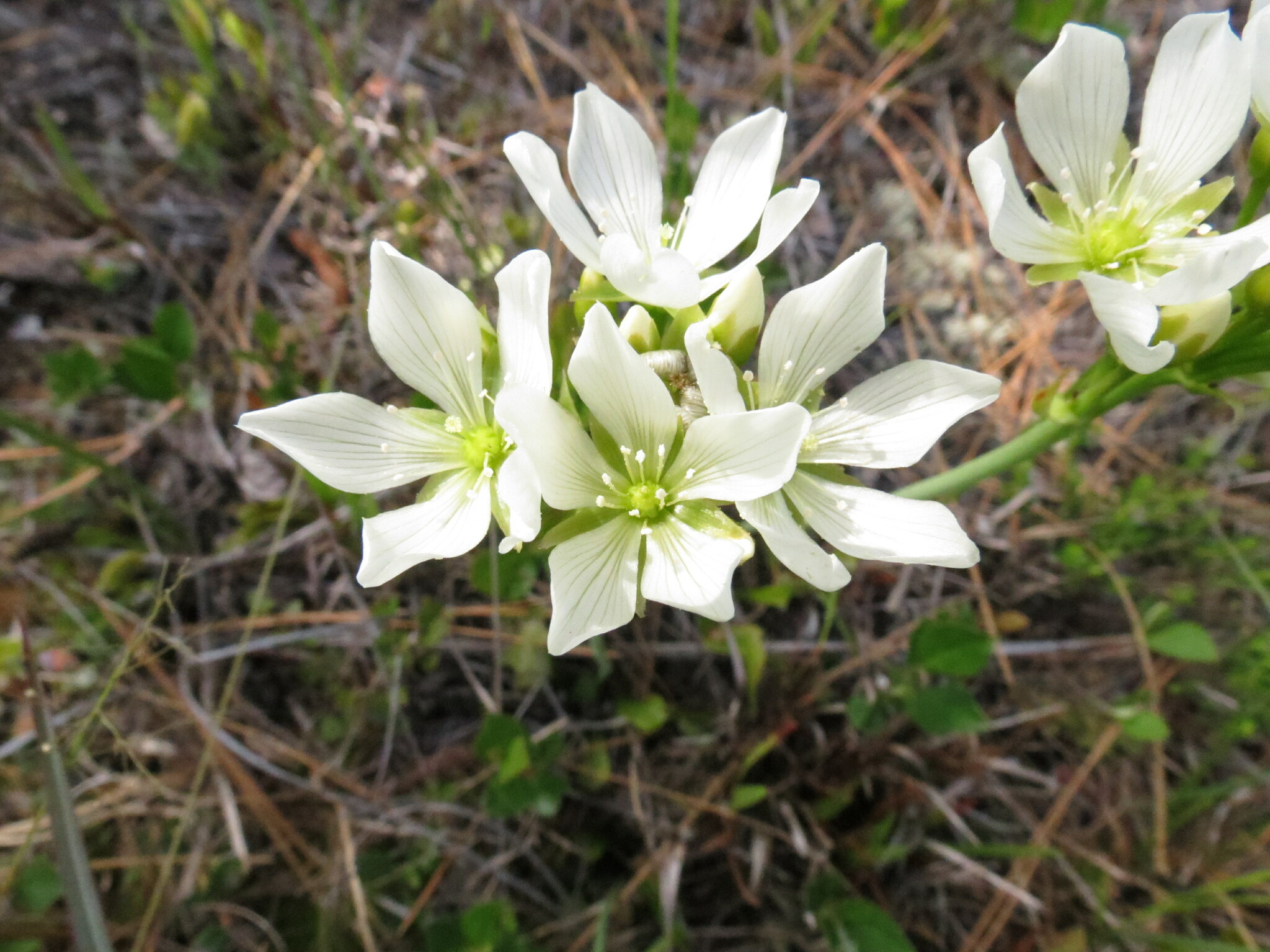
Each rosette carries up to eight or more bristly leaves, every one folded into two hinged lobes with interlocking bristled edges and a surface often flushed pink or red inside. Three sensitive trigger hairs on each lobe set off the snap, which can close in a tenth of a second, after which digestive enzymes work on the trapped insect over several days before the trap reopens. In late spring to early summer, clusters of small white flowers rise well above the foliage on a leafless stem.
Source: RHS
Aphids and Mealybugs
Keep an eye out for aphids and mealybugs, which are the main pests likely to trouble this plant.
Source: RHS
Water Quality Matters Most
Tap water, particularly in hard water areas, can kill this plant, so rainwater or distilled water is essential. Poor light leads to weak, straggly traps that fail to function properly, and keeping the plant too warm over winter denies it the cool rest it needs. It is also worth remembering that a trap can only close a handful of times before it dies, so triggering it without feeding it will gradually weaken the plant.
Source: RHS
Care recipe
The species record — the baseline every cultivar inherits unless it says otherwise.
Care notes are early — not yet verified
- Light
- ai:claude-opus-4-8
- Water
- ai:claude-opus-4-8 (range 1-3d)
- Humidity
- ai:claude-opus-4-8
- Soil
- ai:claude-fable-5
- Care
- ai:claude-fable-5
Direct sun
≈ every 3 days
High
5–30 °C
Nutrient-free peat and perlite, never fertilized soil
Division, leaf pullings, or seed
None; it feeds by trapping insects
Slow
White spring blooms on tall stalks held above the traps; needs a cool winter dormancy
Not yet documented
This is where toxicity lives — every cultivar of this species inherits it and none can override it.
Reference images
Every image credited. Licenses link to their deeds.
PrimarySources: ai:claude-opus-4-8 · ai:claude-opus-4-8 (range 1-3d) · ai:claude-fable-5
Kept true by its growers
Every fact here carries its source. Grow Venus Flytrap yourself? What you’ve observed — how it drinks, how it holds its color, a name that’s off — and a clear photo of your plant are exactly what keep this page honest. Contributions are reviewed before anything changes.
Sign in to add what you know →