Species · genus Davallia · Davalliaceae
Lacy Hare's-foot Fern
Davallia fejeensis Hook.
Cultivars of D. fejeensis
The named forms growers keep — each with its own page, each honest about how much we know.
No named cultivars catalogued under D. fejeensis yet. When growers document a stable, named form, it earns its own page here.
Guide
The species-level account. Cultivar pages build on this and say where they differ.
A Fuzzy-Footed Fern
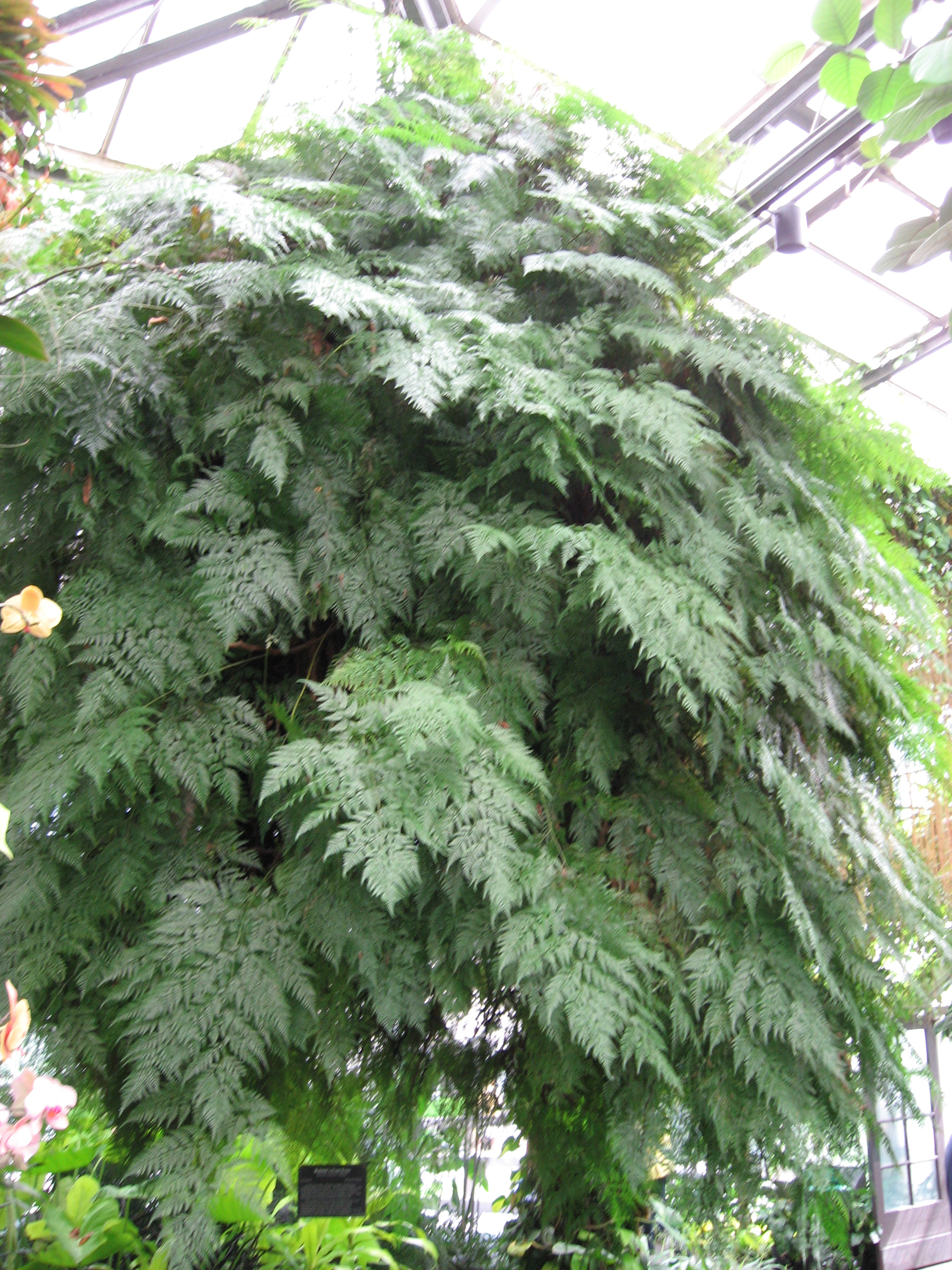
The rabbit's foot fern is an evergreen fern grown for its lush, finely divided fronds and the furry rhizomes that creep over the rim of its pot. It's classed botanically as Davallia solida var. fejeensis, with Davallia fejeensis retained as an older synonym. As houseplants go, it asks for fairly ordinary fern conditions, which makes it more forgiving than its delicate look suggests.
Source: Epic Gardening
Out of Fiji's Rainforest
This fern's native home is Fiji, where it grows on the damp, shaded floor of the rainforest, and related populations are also found in Micronesia and Colombia. The genus name honors the Swiss-English botanist Edmond Davall, while the species name simply nods to its Fijian origins. In the wild it behaves as an epiphyte, rooting into rock crevices and tree bark rather than soil, and drawing what it needs from the air and passing water.
Source: Missouri Botanical Garden
Light, Water, and Rhythm
Give this fern bright but indirect light, offset from a sunny window rather than facing it, since direct sun scorches the fronds. Keep the soil evenly moist through the growing season and let it run slightly drier in fall and winter, watering when the top half inch of soil has dried, and aim for humidity in the 40 to 50 percent range through misting, a pebble tray, or a humidifier. Feed lightly during spring and summer with a diluted liquid houseplant fertilizer, and hold off entirely once growth slows for the year.
Source: Epic Gardening
Dividing the Rhizomes
The straightforward way to make more plants is by dividing the surface rhizomes in spring, making sure each division keeps some roots attached. This is best done as an infrequent task, since the plant is more attractive and settles in better when left undisturbed for stretches of time.
Source: RHS
Furry Rhizomes, Lacy Fronds
What sets this fern apart is its thick, tough rhizome, covered in hairy scales, which creeps and spreads visibly over the pot's edge as the plant matures. Its bright green, glossy fronds are highly divided and can reach up to a metre long given ideal conditions, though as a houseplant it stays far more compact. Grown in the home, expect something closer to one to three feet tall and a similar spread, with the plant only growing more handsome with age.
Source: RHS
Watch for Scale
This fern is largely trouble-free, but scale insects are worth watching for, along with the possibility of botrytis and other aerial blights taking hold under poor conditions.
Source: Missouri Botanical Garden
Reading the Fronds
Limp fronds usually point to a potting mix that holds too much moisture or soil kept wet for too long, and the fix is better drainage or simply easing off the watering can. Crispy fronds tend to trace back to over-fertilizing or too much direct sun, alongside low humidity, so diluted feed, indirect light, and regular misting address it. Browning or pale fronds on an older plant are often a sign the furry rhizomes have grown so dense they're blocking water from reaching the soil, which is the usual cue that it's time to repot.
Source: Epic Gardening
Little Fuss Required
Under glass or as a houseplant, this fern is happiest in a mix of equal parts coarse leaf mould or peat substitute, moss, bark, sharp sand, charcoal, and pine needles, kept moist but well-drained. It asks for no routine pruning, and division should be done only occasionally, in spring, rather than as a regular chore.
Source: RHS
Care recipe
The species record — the baseline every cultivar inherits unless it says otherwise.
Care notes are early — not yet verified
- Light
- ai:claude-opus-4-8
- Water
- ai:claude-opus-4-8 (range 4-9d)
- Humidity
- ai:claude-opus-4-8
- Soil
- ai:claude-fable-5
- Care
- ai:claude-fable-5
Bright, indirect
≈ every 9 days
High
16–24 °C
Light, airy epiphytic mix that drains fast
Division of the furry surface rhizomes
Weak liquid feed monthly in the growing season
Moderate
Non-flowering fern grown for its lacy fronds
Non-toxic to cats & dogs
Rabbit's-foot fern (Davallia) — ASPCA non-toxic to cats and dogs. This is where toxicity lives: every cultivar of this species inherits it and none can override it.
Reference images
Every image credited. Licenses link to their deeds.
Sources: ai:claude-opus-4-8 · ai:claude-opus-4-8 (range 4-9d) · ai:claude-fable-5 · ASPCA
Kept true by its growers
Every fact here carries its source. Grow Lacy Hare's-foot Fern yourself? What you’ve observed — how it drinks, how it holds its color, a name that’s off — and a clear photo of your plant are exactly what keep this page honest. Contributions are reviewed before anything changes.
Sign in to add what you know →