Species · genus Cyperus · Cyperaceae
Miniature Flatsedge
Cyperus prolifer Lam.
Also known as: Dwarf Papyrus · Miniature Papyrus
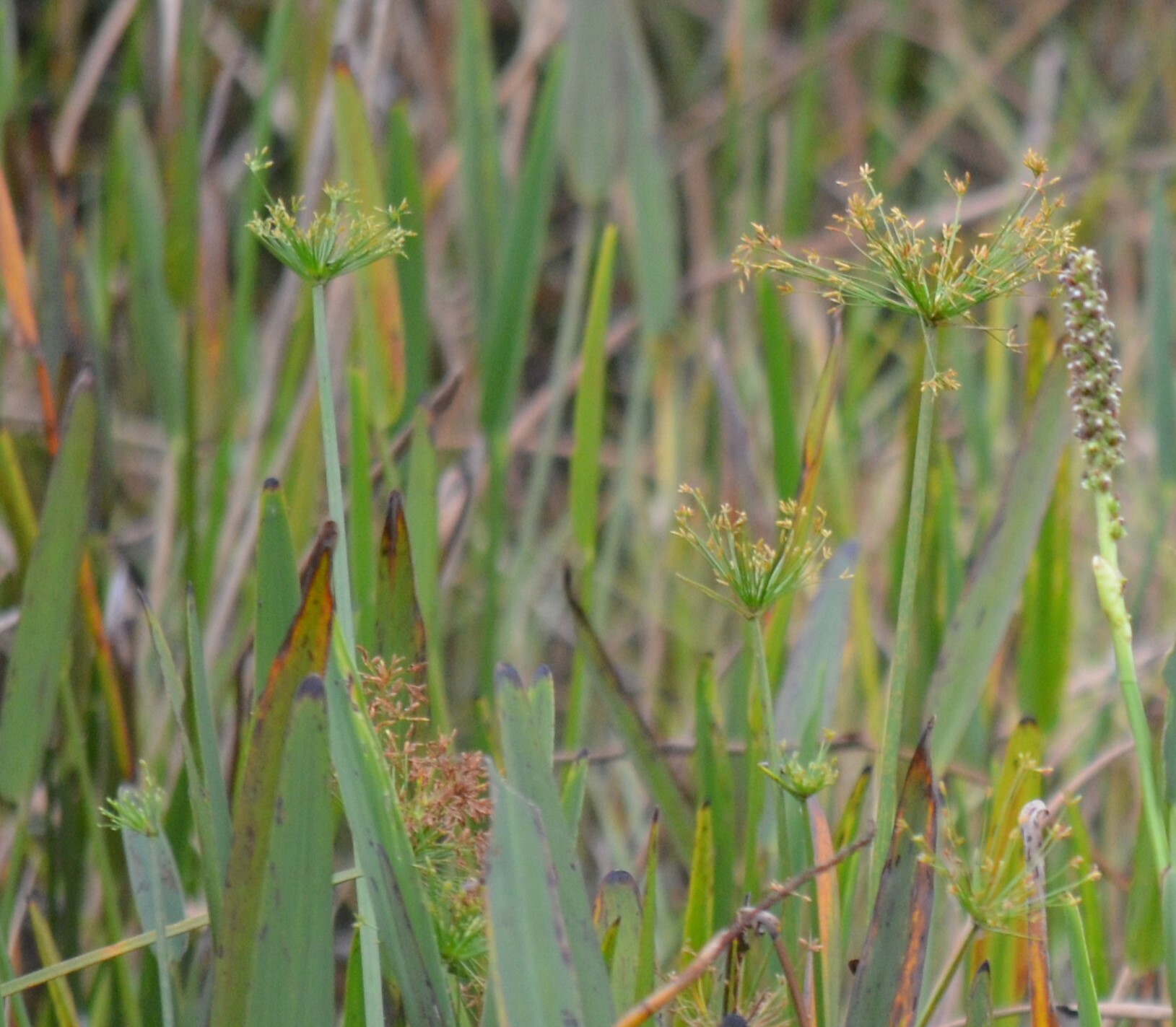
Cultivars of C. prolifer
The named forms growers keep — each with its own page, each honest about how much we know.
No named cultivars catalogued under C. prolifer yet. When growers document a stable, named form, it earns its own page here.
Guide
The species-level account. Cultivar pages build on this and say where they differ.
A Compact Papyrus Relative
Cyperus prolifer is a perennial sedge in the Cyperaceae family, related to true papyrus but far smaller in stature. It grows a rhizomatous clump of slender stems topped with tufted, umbrella-like heads, and is sold under names such as 'Queen Tut' in the trade.
Source: Kew
African and Indian Ocean Roots
This species is native to a broad stretch of eastern and southern Africa and nearby islands, from Somalia down to South Africa and across the western Indian Ocean, including Kenya, Madagascar, Mauritius, Mozambique, Tanzania, and Zimbabwe. It grows there as a rhizomatous geophyte in seasonally dry tropical settings. It has since been introduced beyond its native range into California, Florida, Hawaii, and Spain.
Source: Kew
Water First, Then Light
As with its papyrus relatives, this sedge is naturally a thirsty plant, doing best in consistently boggy or wet soil, with water needs rising alongside how much sun it gets. It takes full sun to partial shade, and because it tolerates standing water so well, pots without drainage holes are not a problem for it. Soil should be fertile and rich in organic matter, and an occasional dose of balanced or nitrogen-rich fertilizer keeps it in good health, since it is not a heavy feeder.
Source: Epic Gardening
Tufted Umbrella Habit
Grown commercially as 'Queen Tut', this is the smallest papyrus-type sedge offered in the Graceful Grasses series, reaching only about two feet tall. Its dark green stems carry dense clusters of thin, pendulous leaves arranged in the umbrella form typical of its larger papyrus relatives, though at a fraction of the size.
Source: Epic Gardening
Gnats and Rust
These sedges are not troubled by many pests or diseases, but consistently wet soil can invite fungus gnats, which are more of a nuisance than a real threat to the plant. Some growers also see rust fungus appear on the foliage, which is best kept in check by keeping leaves dry and removing any affected stems promptly.
Source: Epic Gardening
Cold Sensitivity and Yellowing
'Queen Tut' is hardy only to about USDA zone 9 and, unlike some papyrus cultivars, does not take well to being overwintered indoors, so it is best treated as an annual or grown as a perennial only in warm climates. Yellowing culms in this group of plants usually point to insufficient water or a nutrient shortfall, and cutting away the unhealthy stems helps encourage fresh growth.
Source: Epic Gardening
Care recipe
The species record — the baseline every cultivar inherits unless it says otherwise.
Care notes are early — not yet verified
- Light
- ai:claude-opus-4-8
- Water
- ai:claude-opus-4-8 (range 1-3d)
- Humidity
- ai:claude-opus-4-8
- Soil
- ai:claude-fable-5
- Care
- ai:claude-fable-5
Bright, indirect
≈ every 3 days
High
16–27 °C
Constantly moist, rich potting mix
Division, or plantlets rooted from the umbel heads
Balanced liquid feed monthly in the growing season
Moderate
Fine green-brown umbel tufts; grown mainly for foliage
Not yet documented
This is where toxicity lives — every cultivar of this species inherits it and none can override it.
Reference images
Every image credited. Licenses link to their deeds.
Sources: ai:claude-opus-4-8 · ai:claude-opus-4-8 (range 1-3d) · ai:claude-fable-5
Kept true by its growers
Every fact here carries its source. Grow Miniature Flatsedge yourself? What you’ve observed — how it drinks, how it holds its color, a name that’s off — and a clear photo of your plant are exactly what keep this page honest. Contributions are reviewed before anything changes.
Sign in to add what you know →