Species · genus Ctenanthe · Marantaceae
Never Never Plant
Ctenanthe setosa (Roscoe) Eichler
Cultivars of C. setosa
The named forms growers keep — each with its own page, each honest about how much we know.
No named cultivars catalogued under C. setosa yet. When growers document a stable, named form, it earns its own page here.
Guide
The species-level account. Cultivar pages build on this and say where they differ.
The Never Never Plant
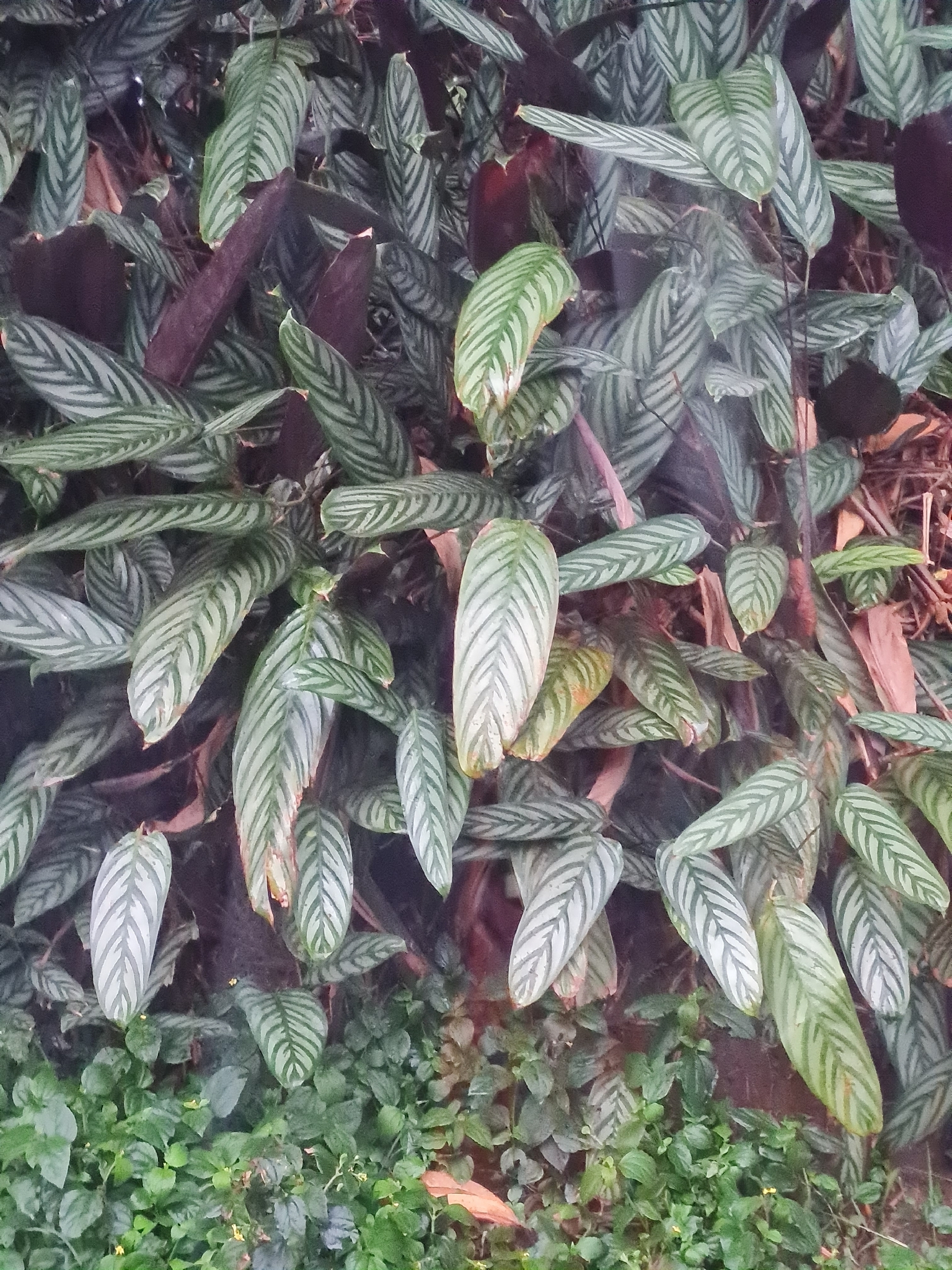
Ctenanthe setosa, known as the never never plant, is a tender evergreen perennial in the Marantaceae family grown chiefly for its patterned foliage. It is a vigorous grower that can reach around 2m, with lance-shaped mid-green leaves up to 18cm long, their tips bent over and sometimes edged or striped white.
Source: RHS
Native to Brazil
This species belongs to the genus Ctenanthe within the Marantaceae, and its natural range lies in eastern and southern Brazil. There it grows as a perennial of the wet tropical biome.
Source: Kew
Bright Shade, Steady Moisture
Grow it indoors in a peat-free, loam-based potting mix, set in bright but indirect light, or partial shade if grown under glass. Water freely through the growing season and feed monthly with a general liquid fertiliser from spring to summer, easing back to keeping the compost just moist over winter. High humidity matters here, so standing the pot on a tray of moist gravel helps, and the plant prefers a draught-free spot at a steady temperature.
Source: RHS
Seed or Division
Propagate by sowing seed as soon as it is ripe, at temperatures of 19 to 24°C, in spring. Alternatively, divide established plants in spring.
Source: RHS
Bent Leaf Tips
The genus Ctenanthe is grown for foliage that is usually strikingly patterned, in lance to obovate shapes, and this species shows leaves with tips that bend over and sometimes carry white margins or stripes. Flowers, when they appear, are inconspicuous, pale yellow, and can turn up at any time of year.
Source: RHS
Watch for Mealybugs
The never never plant may be susceptible to mealybugs, so it is worth checking leaf axils and undersides now and again. Beyond that, it is generally considered disease-free.
Source: RHS
Annual Repotting, No Pruning
Repot annually in late spring or early summer to keep it growing well. No pruning is required for this species.
Source: RHS
Care recipe
The species record — the baseline every cultivar inherits unless it says otherwise.
Care notes are early — not yet verified
- Light
- ai:claude-opus-4-8
- Water
- ai:claude-opus-4-8 (range 5-10d)
- Humidity
- ai:claude-opus-4-8
- Soil
- ai:claude-fable-5
- Care
- ai:claude-fable-5
Bright, indirect
≈ every 10 days
High
16–27 °C
Light, moisture-retentive mix with peat and perlite
Division of the rhizome at repotting
Diluted balanced feed monthly in spring and summer
Moderate
Rarely flowers indoors; grown for velvety foliage
Not yet documented
This is where toxicity lives — every cultivar of this species inherits it and none can override it.
Reference images
Every image credited. Licenses link to their deeds.
PrimarySources: ai:claude-opus-4-8 · ai:claude-opus-4-8 (range 5-10d) · ai:claude-fable-5
Kept true by its growers
Every fact here carries its source. Grow Never Never Plant yourself? What you’ve observed — how it drinks, how it holds its color, a name that’s off — and a clear photo of your plant are exactly what keep this page honest. Contributions are reviewed before anything changes.
Sign in to add what you know →