Species · genus Ctenanthe · Marantaceae
Never-never-plant
Ctenanthe oppenheimiana (É.Morren) K.Schum.
Cultivars of C. oppenheimiana
The named forms growers keep — each with its own page, each honest about how much we know.
No named cultivars catalogued under C. oppenheimiana yet. When growers document a stable, named form, it earns its own page here.
Guide
The species-level account. Cultivar pages build on this and say where they differ.
The Never-Never Plant
Ctenanthe oppenheimiana 'Tricolor' is a bushy, evergreen perennial grown as a houseplant for its patterned foliage, commonly known as the never-never plant. It belongs to the Marantaceae, the same family as the prayer plants, and reaches roughly a metre in height and spread when mature.
Source: RHS
Roots in Brazil
This species is native to northeastern Brazil, in the state of Bahia, where it grows as a perennial within seasonally dry tropical vegetation. The 'Tricolor' form seen in cultivation is a variegated selection of that wild species.
Source: Kew
Bright Shade, Steady Moisture
Grow it indoors in a loam-based compost, in bright but indirect light, as this plant favours partial shade over direct sun. Water freely and feed monthly with a general liquid fertiliser from spring to summer, then keep the compost merely moist through winter. High humidity matters here, so standing the pot on a tray of moist gravel helps, and the plant is happiest kept draught-free at a steady temperature.
Source: RHS
By Seed or Division
Propagate by sowing seed as soon as it is ripe, at a temperature of 19 to 24°C in spring, or by dividing the plant in spring.
Source: RHS
Patterned, Two-Toned Leaves
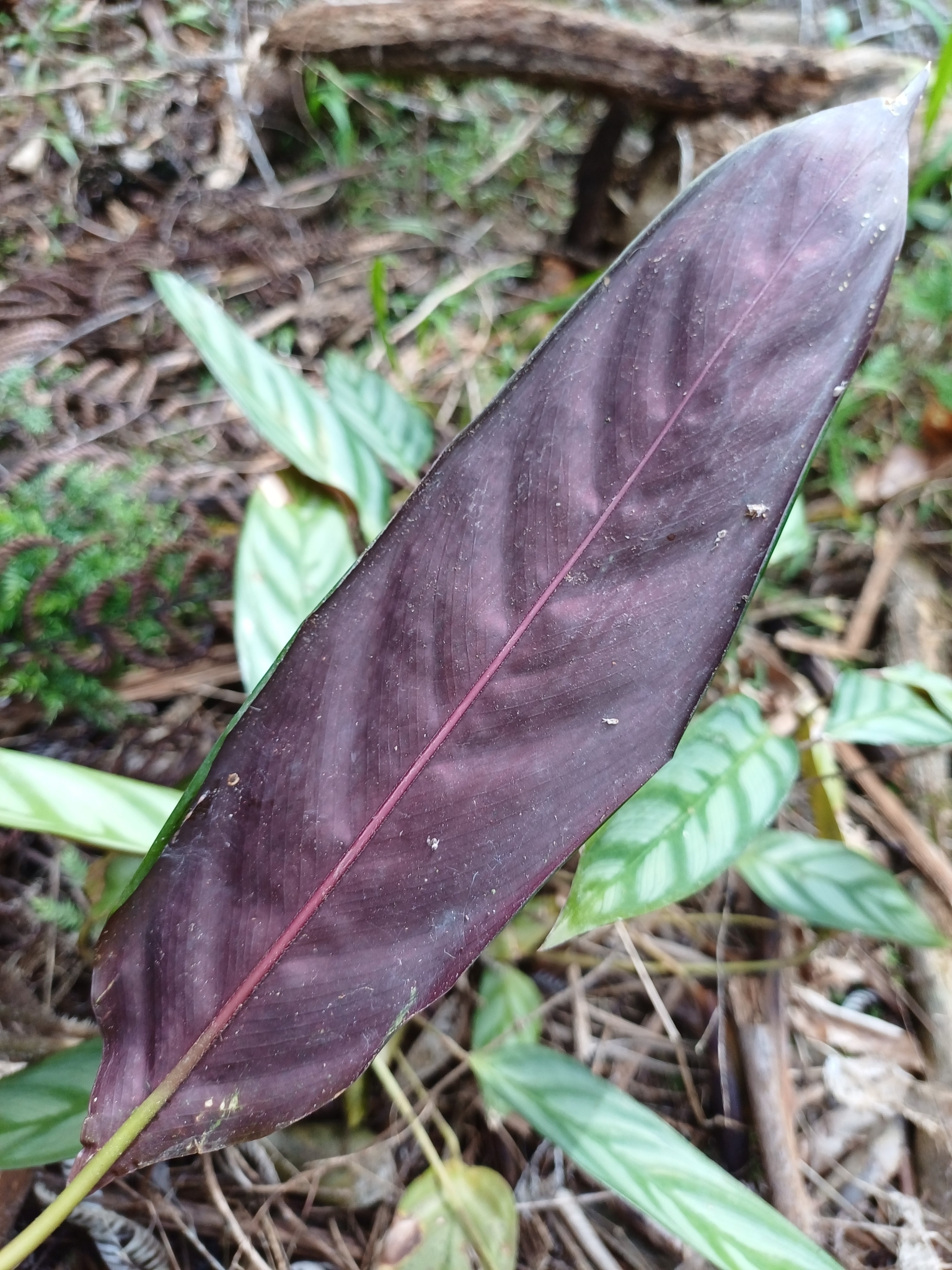
The leaves are lance-shaped and leathery, marked irregularly with creamy-white and both pale and dark green, while the undersides carry a wine-red flush. It is a vigorous, bushy grower, and it can send up spikes of small white flowers at unpredictable points through the year.
Source: RHS
Watch for Mealybugs
Mealybugs are the pest most likely to trouble this plant, so it is worth checking leaf axils and undersides for their telltale waxy clusters.
Source: RHS
Annual Repotting, No Pruning
This ctenanthe needs no pruning, but it does appreciate an annual repot in late spring or early summer as it settles into a new pot each year. Left to its own rhythm, it is otherwise a largely disease-free plant to keep.
Source: RHS
Care recipe
The species record — the baseline every cultivar inherits unless it says otherwise.
Care notes are early — not yet verified
- Light
- ai:claude-opus-4-8
- Water
- ai:claude-opus-4-8 (range 5-10d)
- Humidity
- ai:claude-opus-4-8
- Soil
- ai:claude-fable-5
- Care
- ai:claude-fable-5
Bright, indirect
≈ every 10 days
High
16–27 °C
Light, moisture-retentive mix with peat and perlite
Division of the rhizome at repotting
Diluted balanced feed monthly in the growing season
Moderate
Rarely flowers indoors; prized for its striped leaves
Not yet documented
This is where toxicity lives — every cultivar of this species inherits it and none can override it.
Reference images
Every image credited. Licenses link to their deeds.
PrimarySources: ai:claude-opus-4-8 · ai:claude-opus-4-8 (range 5-10d) · ai:claude-fable-5
Kept true by its growers
Every fact here carries its source. Grow Never-never-plant yourself? What you’ve observed — how it drinks, how it holds its color, a name that’s off — and a clear photo of your plant are exactly what keep this page honest. Contributions are reviewed before anything changes.
Sign in to add what you know →