Species · genus Clivia · Amaryllidaceae
Clivia
Clivia miniata (Lindl.) Verschaff.
Also known as: Bush Lily · Natal Lily · Fire Lily · Forest Lily · Flame Lily
Cultivars of C. miniata
The named forms growers keep — each with its own page, each honest about how much we know.
No named cultivars catalogued under C. miniata yet. When growers document a stable, named form, it earns its own page here.
Guide
The species-level account. Cultivar pages build on this and say where they differ.
A Clumping Natal Lily
Clivia miniata is a clump-forming evergreen perennial from the amaryllis family, grown for its strappy leaves and its heads of funnel-shaped flowers. It goes by the common name Natal lily, and it is as much a fixture of the indoor garden as it once was of South African woodlands.
Source: Missouri Botanical Garden
Woodland Native of South Africa
This species comes from the woodlands of South Africa and neighboring Swaziland, and it tolerates only light frost in its native range. Its genus name honors Lady Charlotte Florentina Clive, Duchess of Northumberland, and the epithet miniata refers to its cinnabar-red coloring.
Source: Missouri Botanical Garden
A Seasonal Rhythm
Clivia asks for bright, filtered or indirect light, since direct summer sun can scorch the leaves, and it prefers regular watering from spring through autumn. Come winter it wants to be cooler and drier, moved to a spot around 10°C, which is what nudges it toward flowering again in spring. A weekly liquid feed through spring supports both growth and bloom, tapering off once flower buds have formed.
Source: RHS
Division or Patient Seed
New plants are most easily made by dividing offsets that form naturally around the base of a mature clump, gently detaching them in spring or summer and potting them separately; these should flower within a couple of years. Seed is also possible, though indoor flowers rarely self-pollinate and need hand-pollinating with a paintbrush, and seedlings raised this way take three to four years to reach flowering size.
Source: RHS
Strappy Leaves, Bold Umbels
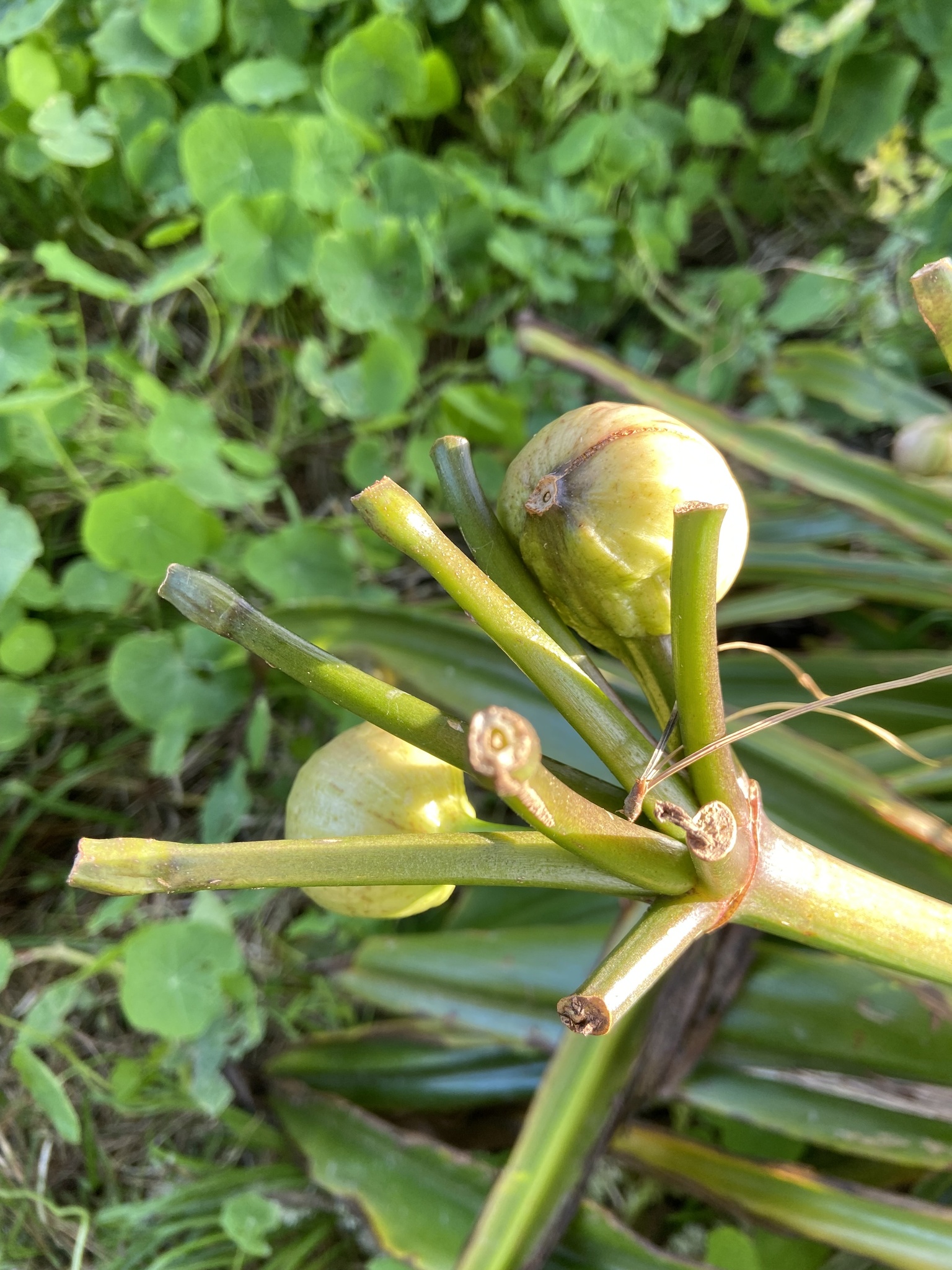
The plant forms a clump from stocky rhizomes, with long, bright green, strap-shaped leaves and sturdy stems topped by umbels of large, funnel-shaped flowers in yellow, orange, and red. Red berries follow the blooms, which are long-lasting enough to be cut for arrangements. Plants generally take about three years to reach flowering size.
Source: Missouri Botanical Garden
Mealybugs Most Often
Mealybugs are the pest most likely to trouble a clivia, showing up as tufts of white, waxy wool on the leaves. Outdoors, snails are also drawn to the flowers.
Source: RHS
Reading the Leaves
A clivia that won't flower is often one kept too warm over winter, potted into too roomy a container, or under-watered during active growth, the last of which can also brown the leaf tips. Yellowing foliage points to either a lack of nutrients or, more seriously, overwatering and waterlogged compost, in which case dead or rotten roots should be trimmed away and the soil refreshed. Brown patches usually trace back to sun scorch, sometimes worsened by water droplets acting as tiny lenses on the leaf surface.
Source: RHS
Crowded Roots, Rare Repotting
Clivia actually flowers better when its roots are a little crowded, so repotting is only needed every three to five years, once roots are tightly packed or emerging from the drainage holes, and it is best done in early spring into a pot just a few centimetres larger than the last. Beyond removing spent flower stems and fading leaves, no real pruning is required.
Source: RHS
Care recipe
The species record — the baseline every cultivar inherits unless it says otherwise.
Care notes are early — not yet verified
- Light
- ai:claude-opus-4-8
- Water
- ai:claude-opus-4-8 (range 10-18d)
- Humidity
- ai:claude-opus-4-8
- Soil
- ai:claude-fable-5
- Care
- ai:claude-fable-5
Bright, indirect
≈ every 18 days
Medium
10–24 °C
Rich, well-draining loamy mix with bark
Division of offsets or seed
Balanced feed monthly spring through summer, none in winter rest
Slow
Bold orange trumpet clusters after a cool, dry winter rest
Toxic to cats & dogs & humans
Amaryllidaceae contain lycorine and related alkaloids, concentrated in the bulb and roots. This is where toxicity lives: every cultivar of this species inherits it and none can override it.
Reference images
Every image credited. Licenses link to their deeds.
Sources: ai:claude-opus-4-8 · ai:claude-opus-4-8 (range 10-18d) · ai:claude-fable-5 · ai:claude-opus-4-8 (family inference)
Kept true by its growers
Every fact here carries its source. Grow Clivia yourself? What you’ve observed — how it drinks, how it holds its color, a name that’s off — and a clear photo of your plant are exactly what keep this page honest. Contributions are reviewed before anything changes.
Sign in to add what you know →