Species · genus Citrus · Rutaceae
Citron
Citrus medica L.
Cultivars of C. medica
The named forms growers keep — each with its own page, each honest about how much we know.
No named cultivars catalogued under C. medica yet. When growers document a stable, named form, it earns its own page here.
Guide
The species-level account. Cultivar pages build on this and say where they differ.
The Citron
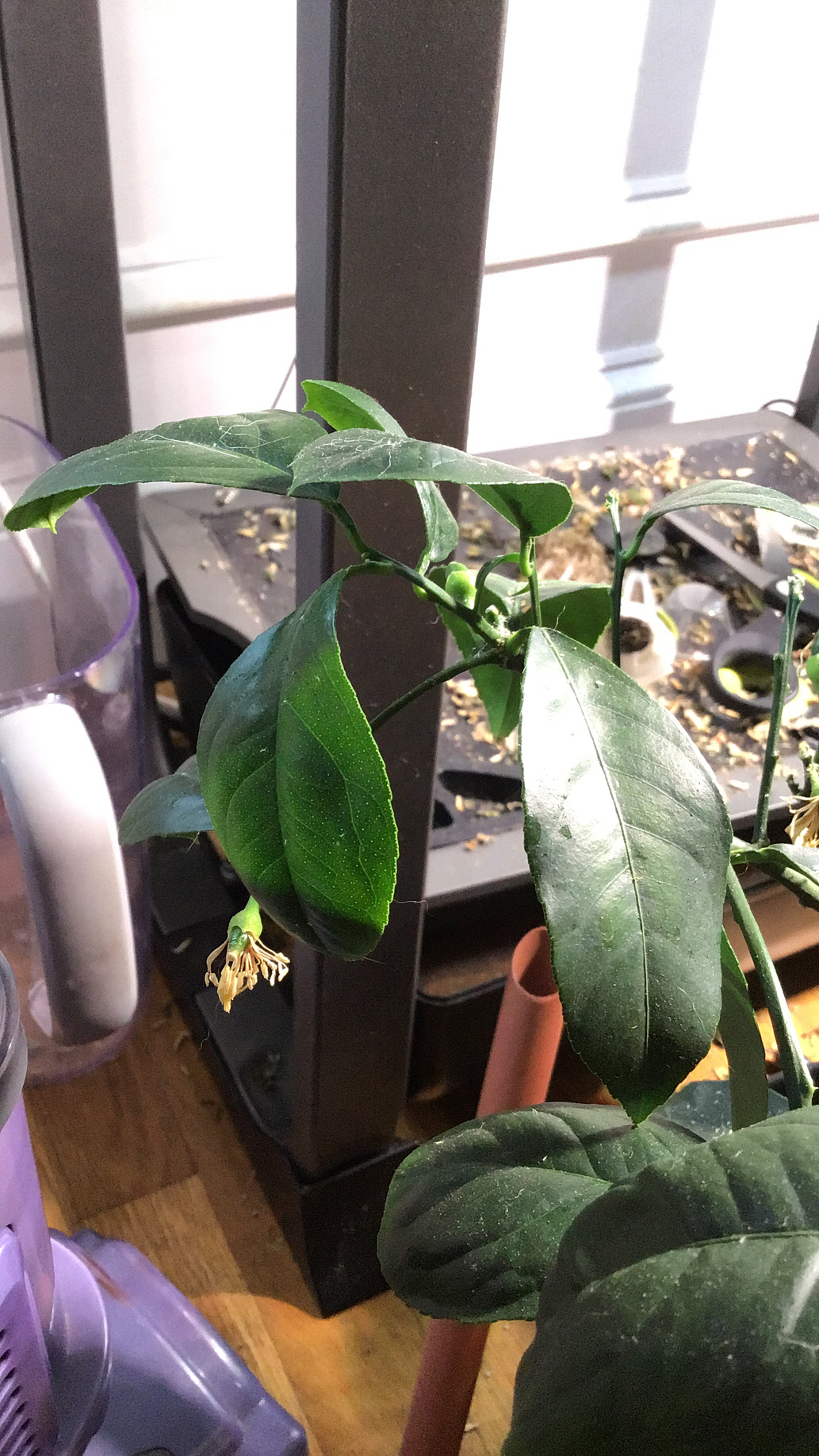
Citrus medica, known as citron, is a large spiny evergreen shrub grown for its fragrant white flowers and its long, lemon-shaped yellow fruit. In cultivation it is usually kept as a conservatory or greenhouse specimen rather than a garden plant.
Source: RHS
A Himalayan Native
This species traces back to the western and central Himalaya through to Myanmar, with a native range spanning Assam, Bangladesh, Nepal, and the eastern and western Himalaya. From there it has been carried and introduced far beyond its origins, taking hold in places as distant as the Canary Islands, Florida, and the Society Islands. It was first formally described by Linnaeus in 1753.
Source: Kew
A Conservatory Rhythm
Grow this one under glass, in a container of loam-based, peat-free compost with added grit, set in full light but shaded from the harshest sun. Through spring and summer water freely and mist daily, feeding year-round with a citrus fertiliser; in winter, let the compost run drier. It prefers moist but well-drained, acid to neutral soil, and does best with a sheltered, south- or west-facing aspect.
Source: RHS
Seed or Cuttings
Citron can be raised from seed, though seedlings will not come true to the parent plant, or from semi-hardwood cuttings.
Source: RHS
Flowers, Spines, Fruit
The citron is a bushy, spiny shrub with deep green, ovate leaves. Its small white flowers, flushed pink on the outside, open to about 3.5cm across and carry a real fragrance. These are followed by the plant's signature fruit, lemon-shaped and yellow, reaching up to 30cm long.
Source: RHS
Under-Glass Troubles
Kept under glass, this plant can attract citrus red spider mite and glasshouse red spider mite, soft scale and fluted scale, aphids, caterpillars, and mealybugs. It is otherwise generally free of disease.
Source: RHS
Light Pruning Only
Citron falls into the light pruning group, needing only modest trimming to keep its shape. Given its ten-to-twenty-year path to maturity and eventual size of up to 4 metres, a container specimen will need repotting as it grows into that framework.
Source: RHS
Care recipe
The species record — the baseline every cultivar inherits unless it says otherwise.
Care notes are early — not yet verified
- Light
- ai:claude-opus-4-8
- Water
- ai:claude-opus-4-8 (range 5-12d)
- Humidity
- ai:claude-opus-4-8
- Soil
- ai:claude-fable-5
- Care
- ai:claude-fable-5
Direct sun
≈ every 12 days
Medium
15–30 °C
Sandy, well-draining slightly acidic citrus mix
Cuttings or grafting
Light, frequent citrus feed spring through autumn
Slow
Purple-tinged fragrant blooms; knobbly aromatic fruit in warmth
Toxic to cats & dogs
Citrus — essential oils + psoralens; vomiting, diarrhoea, photosensitivity, dermatitis. This is where toxicity lives: every cultivar of this species inherits it and none can override it.
Reference images
Every image credited. Licenses link to their deeds.
PrimarySources: ai:claude-opus-4-8 · ai:claude-opus-4-8 (range 5-12d) · ai:claude-fable-5 · ASPCA
Kept true by its growers
Every fact here carries its source. Grow Citron yourself? What you’ve observed — how it drinks, how it holds its color, a name that’s off — and a clear photo of your plant are exactly what keep this page honest. Contributions are reviewed before anything changes.
Sign in to add what you know →