Species · genus Citrus · Rutaceae
Pummelo
Citrus maxima (Burm.) Merr.
Also known as: Shaddock · Pomelo
Cultivars of C. maxima
The named forms growers keep — each with its own page, each honest about how much we know.
No named cultivars catalogued under C. maxima yet. When growers document a stable, named form, it earns its own page here.
Guide
The species-level account. Cultivar pages build on this and say where they differ.
The Pummelo, Introduced
Citrus maxima, known also as pomelo, pomelo, or shaddock, is an evergreen shrub grown for its glossy foliage, fragrant flowers, and notably large fruit. It belongs to the citrus family and is grown both as an ornamental and a fruiting plant in cooler climates.
Source: RHS
A Southeast Asian Native
This plant's natural range lies in Southeast Asia. In the cooler UK climate it is treated as tender, best kept under glass, and is classed at hardiness rating H2, meaning it tolerates low temperatures but cannot survive a frost.
Source: RHS
A Greenhouse Rhythm
This one is best grown in a container of peat-free, loam-based compost with added grit, kept in full light but shaded from the hottest sun, and given a sheltered, south- or west-facing spot. Through spring and summer, while it is in active growth, water freely and mist daily, feeding with a citrus fertiliser year-round. In winter, ease off and water sparingly, keeping it under glass, then move it outdoors for the summer months.
Source: RHS
Cuttings, Layers, or Seed
Propagation can be done by semi-ripe cuttings taken in summer, or by layering in early spring. Seed can also be sown, kept at a temperature of 16°C in spring.
Source: RHS
Glossy Leaves, Heavy Fruit
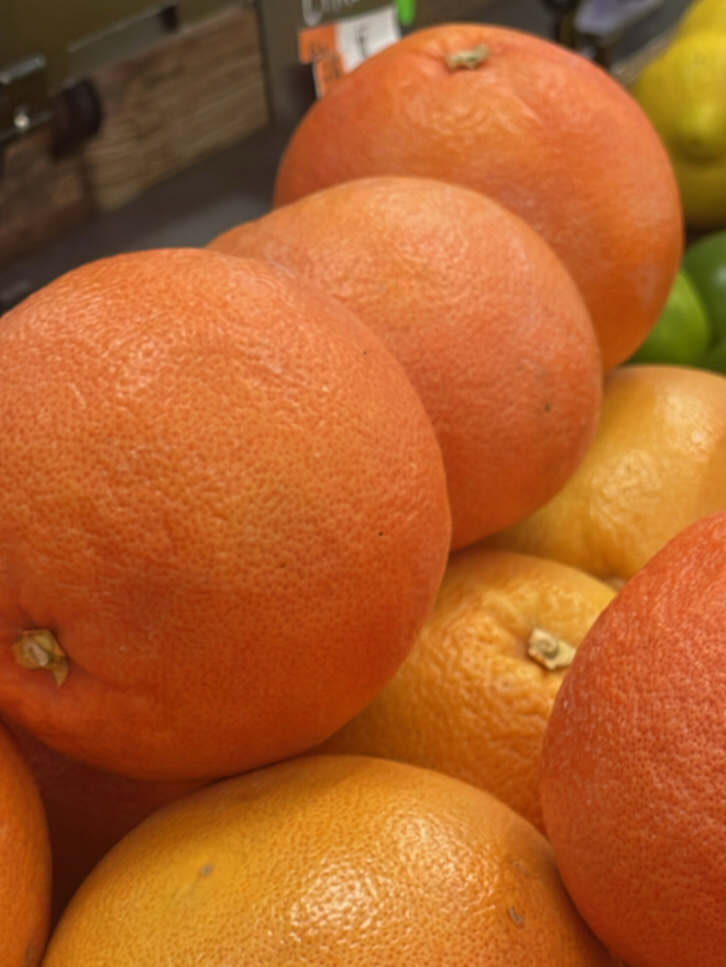
This is a bushy evergreen shrub reaching up to 4 metres, with glossy oval leaves to 10cm long. Its white flowers, up to 4cm across, are fragrant and can appear at any time of year. The fruit that follows is the plant's real distinction: large, green, flattened-spherical to slightly pear-shaped, and capable of weighing as much as 2kg.
Source: RHS
Scale, Mealybug, Spider Mite
This plant may draw scale insects, mealybugs, and glasshouse red spider mite. Otherwise it is generally free of disease.
Source: RHS
Light Pruning Only
This shrub falls under pruning group one, meaning it needs only light, formative pruning rather than hard cutting back.
Source: RHS
Care recipe
The species record — the baseline every cultivar inherits unless it says otherwise.
Care notes are early — not yet verified
- Light
- ai:claude-opus-4-8
- Water
- ai:claude-opus-4-8 (range 5-10d)
- Humidity
- ai:claude-opus-4-8
- Soil
- ai:claude-fable-5
- Care
- ai:claude-fable-5
Direct sun
≈ every 10 days
Medium
15–30 °C
Rich, well-draining loamy citrus mix
Seed, cuttings, or grafting
Regular citrus feed every 4-6 weeks in the growing season
Moderate
Large fragrant white flowers; the biggest citrus fruit indoors is rare
Toxic to cats & dogs
Citrus — essential oils + psoralens; vomiting, diarrhoea, photosensitivity, dermatitis. This is where toxicity lives: every cultivar of this species inherits it and none can override it.
Reference images
Every image credited. Licenses link to their deeds.
PrimarySources: ai:claude-opus-4-8 · ai:claude-opus-4-8 (range 5-10d) · ai:claude-fable-5 · ASPCA
Kept true by its growers
Every fact here carries its source. Grow Pummelo yourself? What you’ve observed — how it drinks, how it holds its color, a name that’s off — and a clear photo of your plant are exactly what keep this page honest. Contributions are reviewed before anything changes.
Sign in to add what you know →