Species · genus Citrus · Rutaceae
Kumquat
Citrus japonica Thunb.
Also known as: Oval-kumquat · Calamondin Orange · Changshou Kumquat · Golden Nutmeg Orange · Golden-bean Kumquat
Cultivars of C. japonica
The named forms growers keep — each with its own page, each honest about how much we know.
No named cultivars catalogued under C. japonica yet. When growers document a stable, named form, it earns its own page here.
Guide
The species-level account. Cultivar pages build on this and say where they differ.
A tangy citrus tree
The kumquat, Citrus japonica, is a small, glossy-leaved citrus tree grown for its bright orange, hand-held fruit. It is prized as much for its ornamental good looks as for the tart-sweet flavor of the fruit itself, and it takes to pots as readily as it does to open ground.
Source: Epic Gardening
Roots in East Asia
Despite the species name pointing to Japan, the kumquat traces back to southeastern Asia, particularly regions of southern China, where it has been cultivated for centuries and may have first grown in subtropical pockets stretching toward Malaysia and the Philippines. It later took hold in Japan and was cultivated further there before spreading to Europe and North America in the nineteenth century, picking up its japonica name along the way.
Source: Epic Gardening
Sun, steady water, feeding
Give a kumquat full sun, ideally six to ten hours a day, and keep it near a bright window or under grow lights if kept indoors. Water regularly while young, checking that the soil is moist but not sodden, and taper off slightly as the tree matures; well-draining soil is essential, since kumquats resent heavy, sticky ground. Feed with a slow-release citrus fertilizer in spring and follow with occasional diluted liquid feed through the growing season, skipping the coldest winter months.
Source: Epic Gardening
Grafting over seed
Kumquats can be grown from seed, but seedlings rarely come true to the parent, so growers wanting a specific variety graft young branches onto grapefruit or orange rootstock instead, which also tends to resist soil-borne fungal disease better. The RHS lists semi-hardwood cuttings as an alternative propagation route alongside seed.
Source: Epic Gardening
Thornless branches, tidy fruit
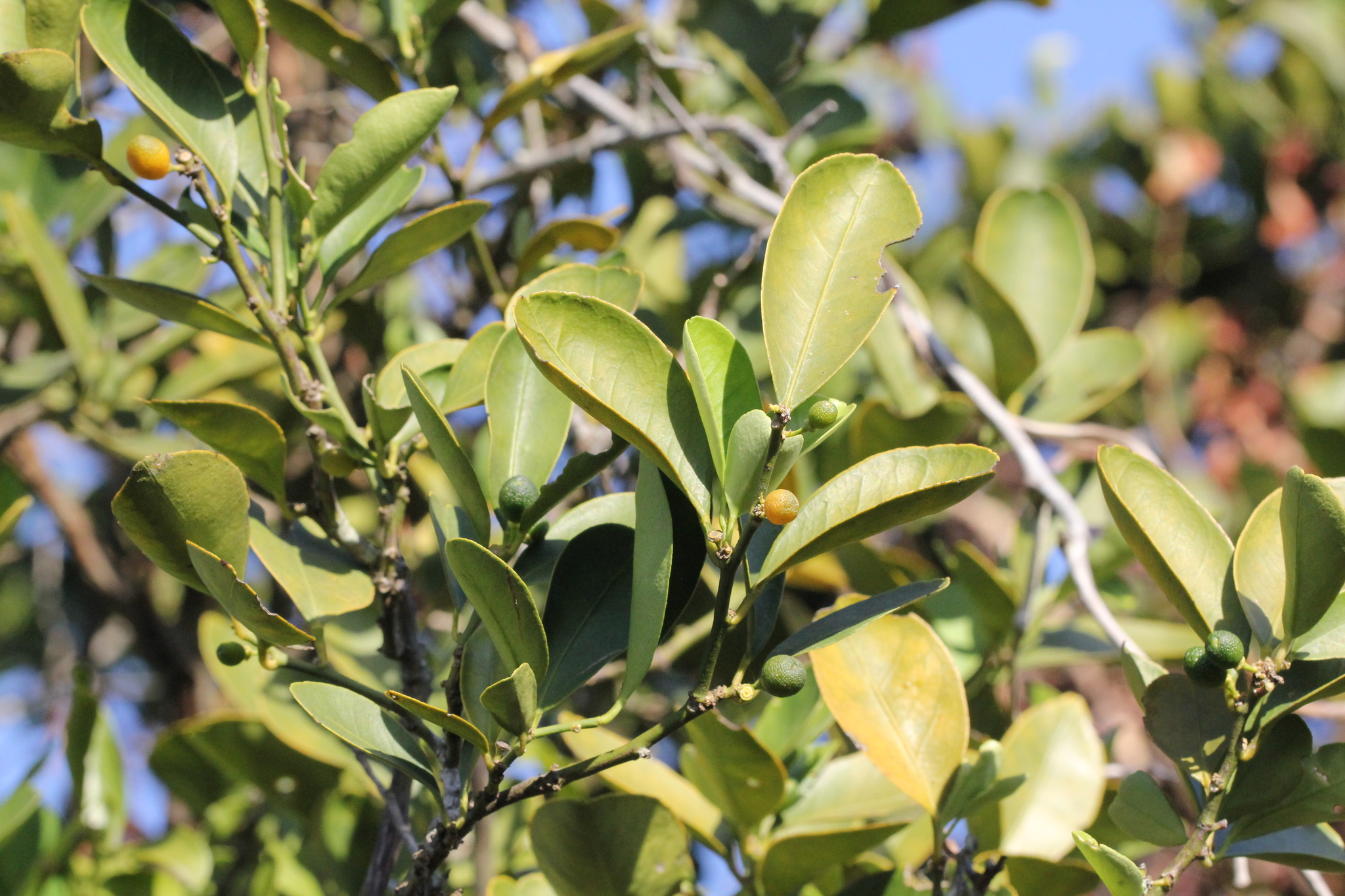
Kumquat plants carry thornless branches and notably glossy leaves, with small white flowers appearing singly or in clusters at the leaf axils. Trees stay compact, generally reaching about eight feet tall and six feet wide, and produce yellowish-orange fruit an inch or so across, with a sweet, pulpy skin wrapped around a slightly acidic pulp. All varieties are self-pollinating, so a single tree is enough to fruit.
Source: Epic Gardening
Sap-suckers to watch
Kumquats can attract mealybugs, leaf miners, citrus scale, and aphids. Keeping the soil well-drained and not over-mulching helps discourage them, a strong jet of water can knock back aphids, affected leaves can be removed for leaf miner, and insecticidal soap, horticultural oil, or neem oil will address scale and mealybug.
Source: Epic Gardening
Cold, pots, and rot
Hard freezes below about 20°F can cause leaf loss, and sudden shifts in light exposure can trigger the same. Container-grown trees that become rootbound often show twig dieback and leaf loss, which regular repotting helps prevent. Overly soggy soil invites Phytophthora root rot, so the simplest fix is to avoid overwatering in the first place.
Source: Epic Gardening
Light pruning, occasional repotting
Kumquats need little pruning beyond removing dead or damaged wood, best done in winter before spring flowering and after fruit harvest, which also opens the canopy to light and air. Container specimens should be repotted every two to three years into a slightly larger pot, ideally as new spring growth begins. The RHS notes similarly minimal pruning needs, with February thinning of overcrowded growth and summer trimming of vigorous shoots to encourage branching rather than legginess.
Source: Epic Gardening
Care recipe
The species record — the baseline every cultivar inherits unless it says otherwise.
Care notes are early — not yet verified
- Light
- ai:claude-opus-4-8
- Water
- ai:claude-opus-4-8 (range 5-10d)
- Humidity
- ai:claude-opus-4-8
- Soil
- ai:claude-fable-5
- Care
- ai:claude-fable-5
Direct sun
≈ every 10 days
Medium
10–30 °C
Well-draining, slightly acidic citrus mix
Semi-hardwood cuttings, seed, or grafting
Regular citrus feed through spring and summer
Slow
Fragrant white flowers, freely borne in good light
Toxic to cats & dogs
Citrus — essential oils + psoralens; vomiting, diarrhoea, photosensitivity, dermatitis. This is where toxicity lives: every cultivar of this species inherits it and none can override it.
Reference images
Every image credited. Licenses link to their deeds.
PrimarySources: ai:claude-opus-4-8 · ai:claude-opus-4-8 (range 5-10d) · ai:claude-fable-5 · ASPCA
Kept true by its growers
Every fact here carries its source. Grow Kumquat yourself? What you’ve observed — how it drinks, how it holds its color, a name that’s off — and a clear photo of your plant are exactly what keep this page honest. Contributions are reviewed before anything changes.
Sign in to add what you know →