Species · genus Citrus · Rutaceae
Kaffir Lime
Citrus hystrix DC.
Also known as: Makrut Lime · Mauritius Papeda · Papeda · Celebes Papeda · Kansi
Cultivars of C. hystrix
The named forms growers keep — each with its own page, each honest about how much we know.
No named cultivars catalogued under C. hystrix yet. When growers document a stable, named form, it earns its own page here.
Guide
The species-level account. Cultivar pages build on this and say where they differ.
The Makrut Lime
Citrus hystrix, the makrut lime, is an evergreen shrub grown both as a citrus fruit crop and for its intensely aromatic leaves. It belongs to the Rutaceae family, alongside the other citrus fruits, and is also known by names such as Thai lime, combavas, or leech lime.
Source: RHS
Native to Southeast Asia
This species traces back to a broad native range running from the East Himalaya through southern and southeastern China into Southeast Asia, the Malay world, and out to Pacific islands as far as Wallis and Futuna. It has since been introduced further afield, into places such as Fiji, Laos, Sri Lanka, and Trinidad and Tobago. The leaves and fruit have long been staples of South East Asian cooking.
Source: Kew
Warmth, Light, Steady Feeding
Best treated as a conservatory or cool greenhouse subject, this citrus wants full light with some shade from the harshest sun, and a sheltered, south- or west-facing spot if moved outdoors for summer. Pot it in a peat-free, loam-based compost with added grit, water freely and mist daily while it is in active growth through spring and summer, then cut back to sparing watering over winter. Feed with a citrus-formulated fertiliser through the year, following the product's guidance.
Source: RHS
Cuttings, Layering, or Seed
Propagation can be done by semi-ripe cuttings taken in summer, or by layering in early spring. Seed can also be sown, germinated at around 16°C in spring.
Source: RHS
Distinctive Winged Leaves
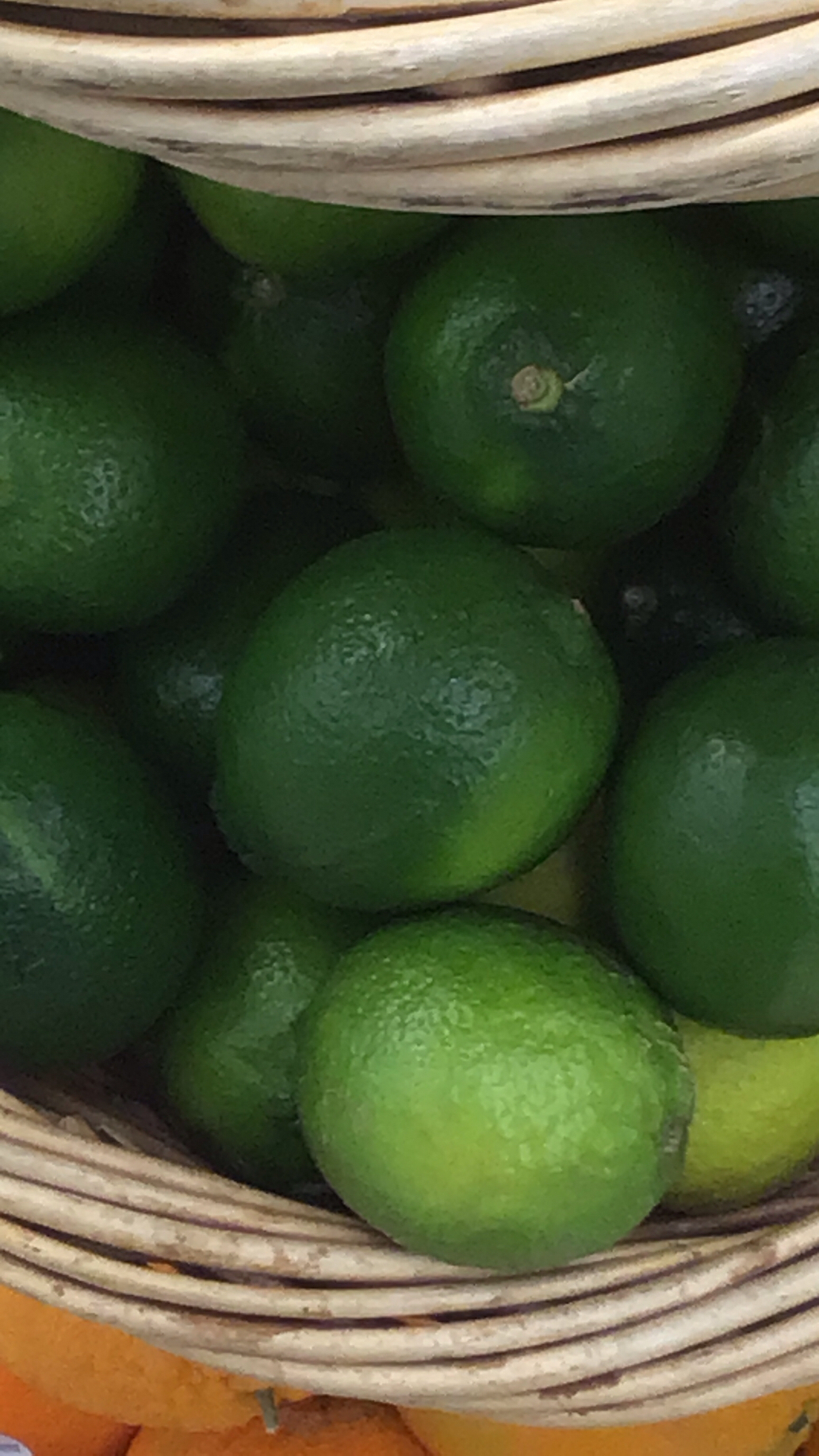
The makrut lime is a bushy evergreen reaching some 2.5 to 4 metres in height, with glossy dark green leaves that are unusual for being divided into two distinct sections. Fragrant white flowers up to 2cm across appear throughout the year, giving way to limes with a notably bumpy skin. Both foliage and fruit see heavy use in South East Asian cuisine.
Source: RHS
Watch for Sap-Suckers
Scale insects, mealybugs, and glasshouse red spider mite are the pests most likely to trouble this plant. The species is otherwise generally free of disease.
Source: RHS
Light Pruning Only
This shrub falls into the light-pruning category, needing only modest trim work rather than hard cutting back. A caution worth noting: the fruit's oils can be harmful to skin when exposed to sunlight, so gloves and protective handling are recommended.
Source: RHS
Care recipe
The species record — the baseline every cultivar inherits unless it says otherwise.
Care notes are early — not yet verified
- Light
- ai:claude-opus-4-8
- Water
- ai:claude-opus-4-8 (range 7-12d)
- Humidity
- ai:claude-opus-4-8
- Soil
- ai:claude-fable-5
- Care
- ai:claude-fable-5
Direct sun
≈ every 12 days
Medium
13–32 °C
Rich, well-draining citrus mix, slightly acidic
Semi-hardwood cuttings or grafting
Regular citrus feed through spring and summer
Moderate
Fragrant white blooms in bright light
Toxic to cats & dogs
Citrus — essential oils + psoralens; vomiting, diarrhoea, photosensitivity, dermatitis. This is where toxicity lives: every cultivar of this species inherits it and none can override it.
Reference images
Every image credited. Licenses link to their deeds.
PrimarySources: ai:claude-opus-4-8 · ai:claude-opus-4-8 (range 7-12d) · ai:claude-fable-5 · ASPCA
Kept true by its growers
Every fact here carries its source. Grow Kaffir Lime yourself? What you’ve observed — how it drinks, how it holds its color, a name that’s off — and a clear photo of your plant are exactly what keep this page honest. Contributions are reviewed before anything changes.
Sign in to add what you know →