Species · genus Cereus · Cactaceae
Lady Of The Night Cactus
Cereus hexagonus (L.) Mill.
Also known as: Queen-of-the-night · Blue Cereus · Tall Columnar Cactus
Cultivars of C. hexagonus
The named forms growers keep — each with its own page, each honest about how much we know.
No named cultivars catalogued under C. hexagonus yet. When growers document a stable, named form, it earns its own page here.
Guide
The species-level account. Cultivar pages build on this and say where they differ.
A Columnar South American Cactus
Cereus hexagonus is a large, columnar cactus in the family Cactaceae, correctly named under that title with Cereus lepidotus recorded as a synonym. It belongs to a genus of roughly 33 ribbed, spiny, columnar cacti from South America, most of which open large funnel-shaped flowers at night.
Source: RHS
Native to Northern South America
This species is native to northern South America and into north and northeast Brazil, with a range recorded across Brazil, French Guiana, Guyana, Suriname, Venezuela and the Venezuelan Antilles. It has also been introduced well beyond that native range, turning up in Cuba, the Dominican Republic, India, Jamaica, the Leeward Islands and Puerto Rico. In the wild it grows as a succulent tree within the wet tropical biome, and people have put it to use as animal food, as a medicine, and as a food source itself.
Source: Kew
Dry Soil, Bright Shade
These cacti want sandy, fast-draining soil and a rhythm of watering thoroughly and then letting the mix dry out completely before watering again, mimicking desert conditions. Feeding with a cactus-formulated fertilizer roughly every ten days through the growing season supports steady growth and, in mature plants, flowering. They do best in heat with some partial shade rather than all-day direct sun, since strong sun can damage and redden the leaves; self-watering devices are best avoided since the plant prefers to sit dry between waterings.
Source: Epic Gardening
Rooting a Leaf Cutting
The simplest way to start a new plant is from a leaf cutting taken from a mature specimen, set into sandy soil to root. Cuttings can sit outdoors in warm weather or on a windowsill indoors until roots form, and should be kept from overwatering while they establish. Growers are advised to wait until a plant is a few years old before harvesting leaves, since falling leaves on an established plant are a natural sign it is ready to propagate.
Source: Epic Gardening
Night Flowers, Vining Growth
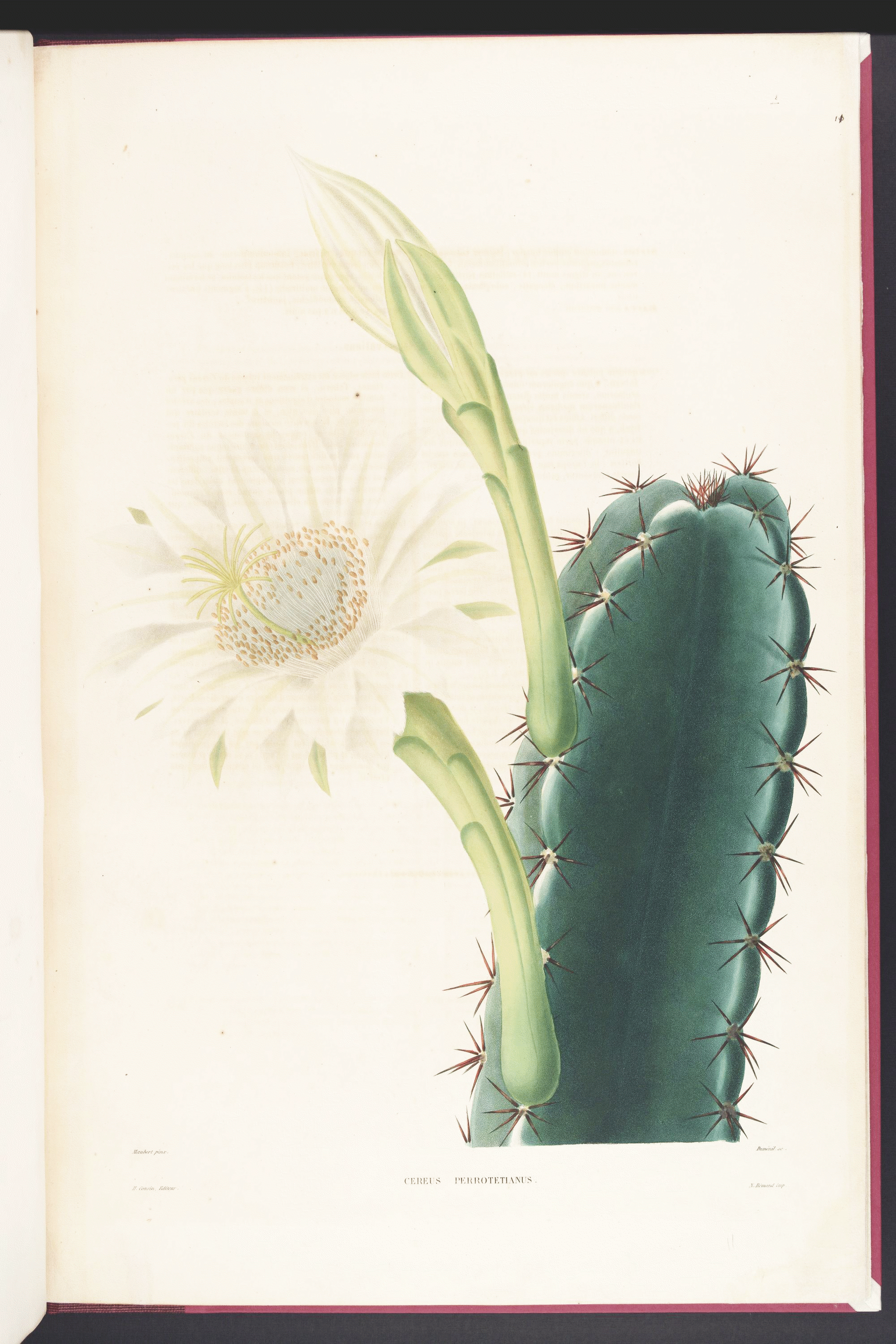
Plants sold under the night-blooming cereus name are spineless, with thick, broad growth that sends out vine-like shoots and leaf-like stems. Their signature trait is a large, fragrant flower that opens only at night, with petals some six to eight inches long and a pale center of white and yellow parts. All the blooms in one area tend to open on the same night, filling the air with scent before wilting shut by morning and dropping off within days. Mature plants can reach up to ten feet and take on a dense, bush-like habit, occasionally producing edible red fruit.
Source: Epic Gardening
Sun and Water Stress
A cactus that fails to grow much or never flowers after four or five years is usually being kept in unsuitable conditions. Leaves that turn brown and break in half point to either too much water or too much sun, a problem that can also show up if the plant sits in direct sun right after heavy rain. Reddening of the leaves is another sign of excess direct sunlight rather than disease.
Source: Epic Gardening
Room to Grow, Light Pruning
Because these plants grow slowly at first and need years before they flower well, they benefit from being moved into larger pots over time rather than left to stay small. Little routine trimming is needed, and any cutting is best kept light and done mainly for propagation, since removing too much at once can stress the plant and set back its blooming cycle. Long shoots can be trained onto a trellis for support if the plant is being grown as a climber.
Source: Epic Gardening
Care recipe
The species record — the baseline every cultivar inherits unless it says otherwise.
Care notes are early — not yet verified
- Light
- ai:claude-opus-4-8
- Water
- ai:claude-opus-4-8 (range 14-28d)
- Humidity
- ai:claude-opus-4-8
- Soil
- ai:claude-fable-5
- Care
- ai:claude-fable-5
Direct sun
≈ every 28 days
Low — average room
10–32 °C
Gritty, fast-draining cactus and succulent mix
Stem cuttings callused then rooted in dry mix
Dilute cactus feed once or twice in summer
Moderate
Large night-blooming white flowers on mature plants
Not yet documented
This is where toxicity lives — every cultivar of this species inherits it and none can override it.
Reference images
Every image credited. Licenses link to their deeds.
Sources: ai:claude-opus-4-8 · ai:claude-opus-4-8 (range 14-28d) · ai:claude-fable-5
Kept true by its growers
Every fact here carries its source. Grow Lady Of The Night Cactus yourself? What you’ve observed — how it drinks, how it holds its color, a name that’s off — and a clear photo of your plant are exactly what keep this page honest. Contributions are reviewed before anything changes.
Sign in to add what you know →