Species · genus Callisia · Commelinaceae
Creeping Inchplant
Callisia repens (Jacq.) L.
Also known as: Waterweed · "Bolivian Jew" · Chain Plant · Creeping Inch Plant · Inch Plant
Cultivars of C. repens
The named forms growers keep — each with its own page, each honest about how much we know.
No named cultivars catalogued under C. repens yet. When growers document a stable, named form, it earns its own page here.
Guide
The species-level account. Cultivar pages build on this and say where they differ.
Meet Turtle Vine
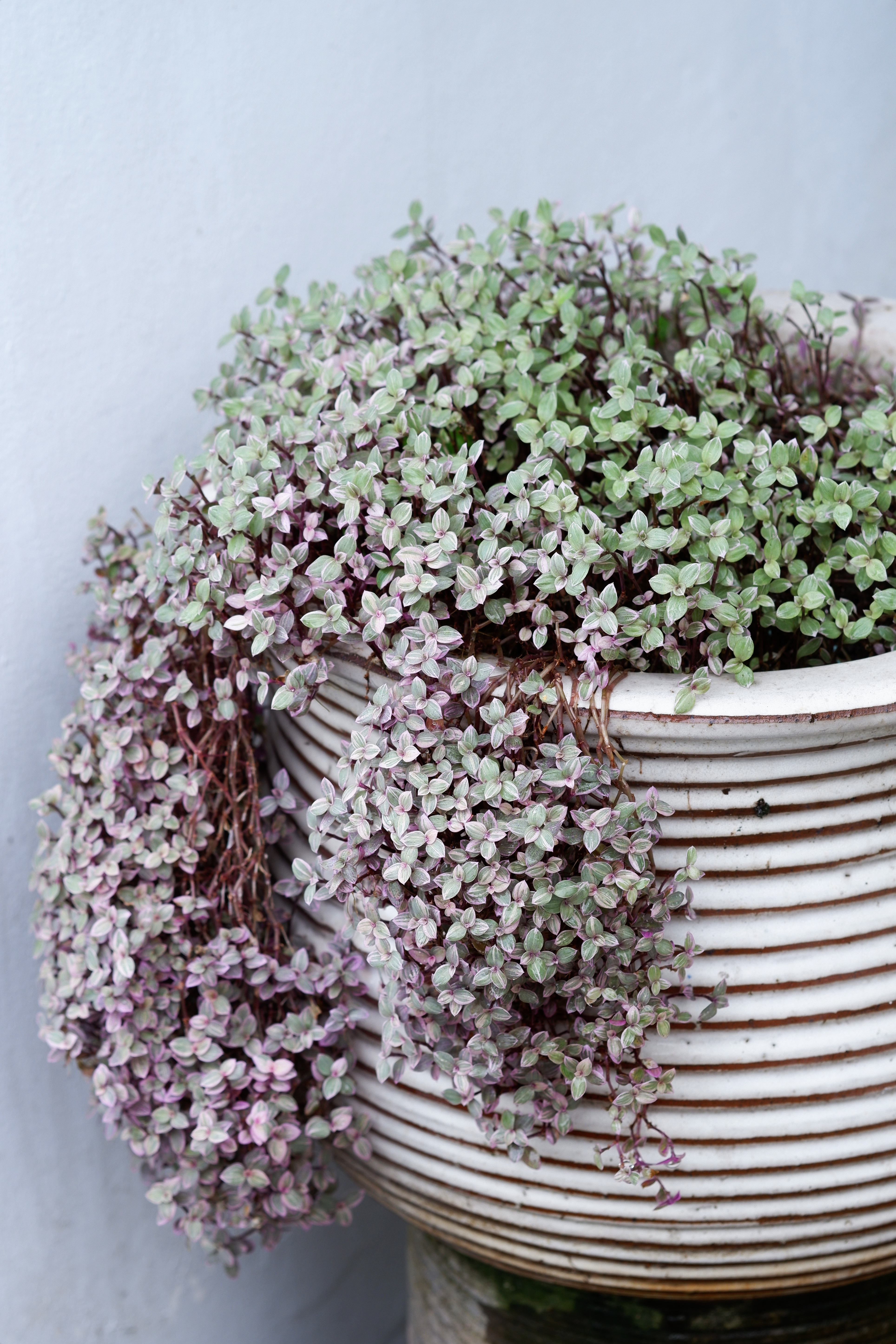
Turtle vine, botanically Callisia repens, is a small-leaved trailing perennial in the Commelinaceae family, known also as inch plant, creeping inch plant, or creeping basket plant. It carries oval, fleshy leaves on deep purple stems and is grown both as ground cover in warm climates and as a cascading houseplant or hanging basket subject.
Source: Epic Gardening
A South American Native
This plant comes from warmer regions of South America, ranging naturally from southern Texas down through South America, and has since spread into wide use as an ornamental around the world. It suits USDA hardiness zones 10 to 11, and outside those zones it is not winter hardy and will suffer damage or die if left exposed to frost.
Source: Epic Gardening
Everyday Rhythm
Give this plant bright, indirect light for at least six hours a day; direct sun scorches the leaves, while too little light shows up as pale color, yellowing, or stretched stems. Keep the soil consistently moist with roughly weekly waterings, letting water run through the drainage holes, and ease off in winter as growth slows. It is not a heavy feeder, but a monthly application of a well-balanced fertilizer, or a slow-release option, keeps container plants from running out of nutrients during the growing season; indoor temperatures between 60 and 80°F suit it well, and only light misting is needed in dry air.
Source: Epic Gardening
Rooting from Cuttings
Stem cuttings taken in early spring or summer are the most reliable method: snip a two-inch section, strip the bottom inch of leaves, and settle the bare end into moist soil out of direct sun. A gentle tug will tell you whether roots have taken. Offsets and seed are possible too, though both are slower and less dependable than cuttings, and propagation is best avoided during the plant's semi-dormant winter months.
Source: Epic Gardening
Creeping, Colorful Habit
True to its trailing nature, Callisia repens forms mats of branching stems that root wherever they touch the ground, staying low, around 4 to 6 inches tall, while spreading two feet or more in length. Small clusters of scentless white flowers appear in the leaf axils in late spring and early summer. Varieties differ in leaf color, offering pink, gold, or white tones, sometimes variegated and sometimes solid.
Source: RHS
Occasional Hitchhikers
Turtle vine is not usually plagued by insects, but a stressed plant, one weakened by root rot or poor light, can attract aphids or mealybugs. Both are manageable if caught early: isolate the affected plant and treat it, insecticidal soap works well, before returning it to its spot.
Source: Epic Gardening
Reading the Leaves
Pale, washed-out leaves point to insufficient light, while burned patches or brown and yellow discoloration usually mean too much direct sun. Leaves that turn soft or slimy signal overwatering, which left unchecked leads to root rot; catching it early and refreshing the soil with less frequent watering is usually enough to bring the plant back.
Source: Epic Gardening
Light Upkeep
This is a low-maintenance plant that asks little beyond occasional pruning of leggy or dead stems, best done in early spring when growth is active. Repotting every couple of years into a terracotta or ceramic pot with good drainage keeps it healthy, and pinching back stems helps it stay compact between repottings. In winter, cut back on watering and skip fertilizer altogether as the plant settles into a semi-dormant rest.
Source: Epic Gardening
Care recipe
The species record — the baseline every cultivar inherits unless it says otherwise.
Care notes are early — not yet verified
- Light
- ai:claude-opus-4-8
- Water
- ai:claude-opus-4-8 (range 7-12d)
- Humidity
- ai:claude-opus-4-8
- Soil
- ai:claude-fable-5
- Care
- ai:claude-fable-5
Bright, indirect
≈ every 12 days
Medium
13–27 °C
Light, free-draining potting mix with added perlite
Stem cuttings root readily in soil or water
Weak balanced liquid feed monthly through spring and summer
Fast
Tiny white flowers appear occasionally indoors
Not yet documented
This is where toxicity lives — every cultivar of this species inherits it and none can override it.
Reference images
Every image credited. Licenses link to their deeds.
PrimarySources: ai:claude-opus-4-8 · ai:claude-opus-4-8 (range 7-12d) · ai:claude-fable-5
Kept true by its growers
Every fact here carries its source. Grow Creeping Inchplant yourself? What you’ve observed — how it drinks, how it holds its color, a name that’s off — and a clear photo of your plant are exactly what keep this page honest. Contributions are reviewed before anything changes.
Sign in to add what you know →