Species · genus Callisia · Commelinaceae
Basketplant
Callisia fragrans (Lindl.) Woodson
Also known as: False Bromeliad Plant
Cultivars of C. fragrans
The named forms growers keep — each with its own page, each honest about how much we know.
No named cultivars catalogued under C. fragrans yet. When growers document a stable, named form, it earns its own page here.
Guide
The species-level account. Cultivar pages build on this and say where they differ.
The Basket Plant
Callisia fragrans is a subtropical relative of the spiderwort family, sold under names like basket plant, false bromeliad, inch plant, or octopus plant. It pairs a rosette of glossy leaves with long, creeping runner stems, and is generally considered an easygoing choice for beginners.
Source: Epic Gardening
A Mexican Native
This species is native to Mexico, where it grows as a semisucculent subshrub in seasonally dry tropical habitat. It has since been introduced well beyond its home range, turning up naturalized in places such as Florida, Louisiana, Hawaii, Puerto Rico, and several Caribbean islands. Epic Gardening notes it has also become naturalized in parts of the southern United States and the West Indies, thriving outdoors in zones 9 to 11.
Source: Kew
Light, Water, Feed
This plant wants warmth and brightness, ideally 70°F or better, with at least three to four hours of direct sun a day and up to 8 to 10 hours of bright light overall to bring out its purple tones. Water evenly, soaking the soil fully and then letting it dry out most of the way before the next drink, and avoid leaving any standing water in the saucer. Humidity is not a fuss point, low to moderate levels suit it fine, and a low-strength balanced or flowering-formula fertilizer, applied sparingly and light on nitrogen, keeps growth and bloom in balance. Gritty, loam-based soil with a touch of compost and a near-neutral pH around 6.8 to 7 rounds out the picture.
Source: Epic Gardening
Rooting From Runners
Stem cuttings are the simplest route, and this plant makes the job easy since bare stem touching soil will often try to root on its own, sometimes showing visible air roots first. No rooting hormone is needed; a trimmed stem tucked about a quarter inch deep into moist soil, ideally one already showing air roots, will generally take. In the ground, the plant sends runners out to 35 inches, rooting and forming new plantlets along the way, which can be left in place or snipped off individually.
Source: Epic Gardening
Rosettes, Runners, Baskets
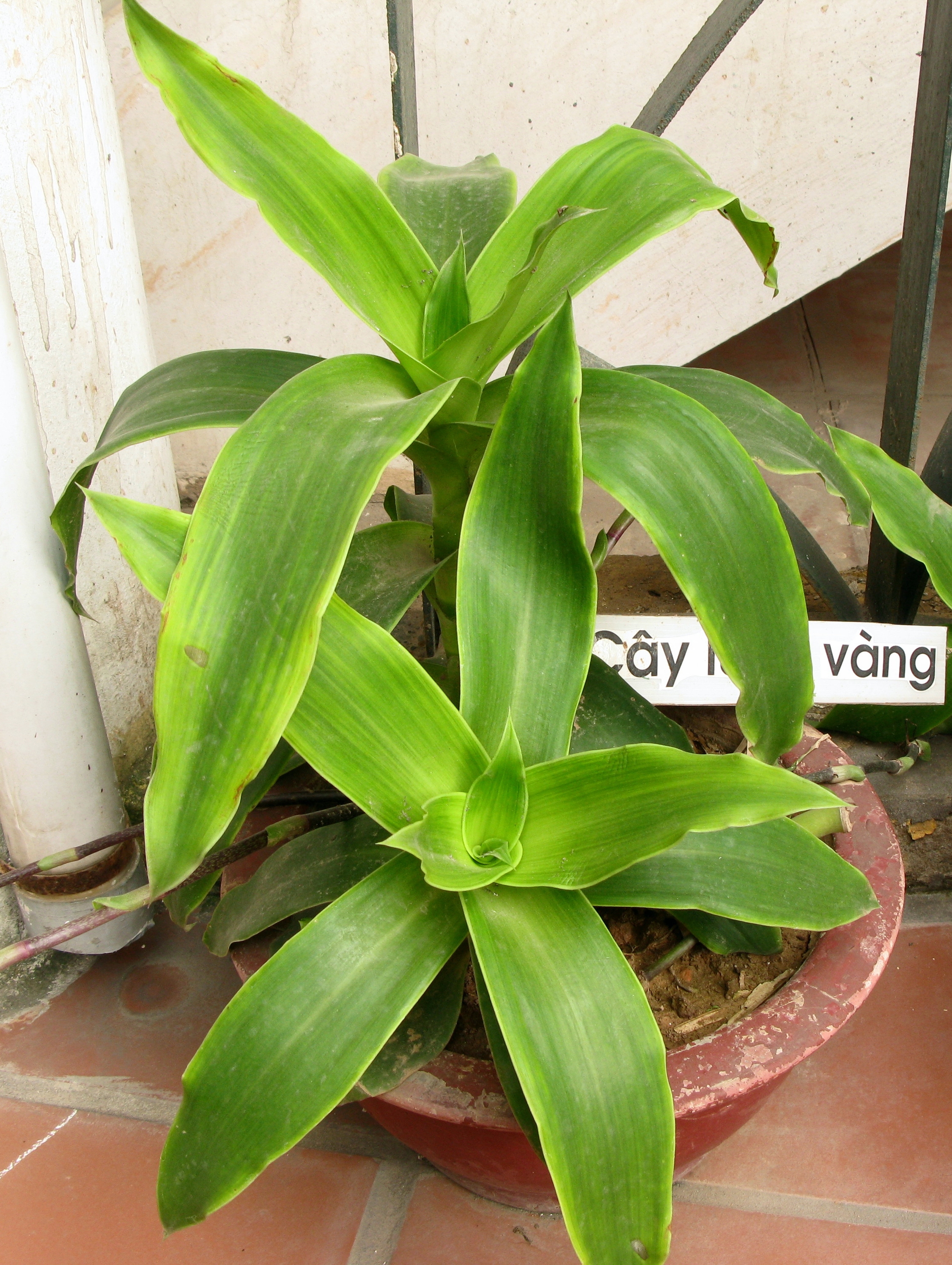
In bright light the leaves lie down in a cluster reminiscent of a bromeliad, while in lower light the plant stands more upright like a dracaena. Its common names come from its habits: creeping stems root readily wherever they touch soil, and those stems can stretch up to 35 inches, carrying miniature offset rosettes and sometimes visible air roots. The plant takes its main name, basket plant, from its flowers, whose basket-shaped base gives rise to fragrant white blooms on slender white tendrils. There are two forms in cultivation: the plain green species, which can flush purple in strong light, and the variegated 'Melnikoff', edged in lighter green with occasional striping.
Source: Epic Gardening
Mostly Mealybugs
Mealybugs are by far the most likely visitor, with scale insects showing up only occasionally. Both respond well to a cotton swab dipped in rubbing alcohol touched directly to the pest, followed by insecticidal soap or neem oil to discourage a repeat visit.
Source: Epic Gardening
Overwatering Is The Culprit
Disease pressure on this plant is generally low, but overwatering is the main thing to watch, since standing water and soggy soil can lead to root rot. The same excess moisture often shows up as browning at the leaf tips, which can be trimmed away but is best avoided by keeping the soil well-drained and gritty from the start.
Source: Epic Gardening
Yearly Refresh, Light Pruning
Plan on repotting yearly mainly to refresh the soil, since the main plant rarely needs more than a five- to six-inch pot even as it spreads; if sizing up, go no more than an inch wider. Prune stem tips just before a leaf node to manage length, and use the trimmings to start new plants, or thin out excess growth to keep the rest vigorous. A plant that starts dropping its lower leaves has reached the end of its productive life and is best replaced with a fresh cutting.
Source: Epic Gardening
Care recipe
The species record — the baseline every cultivar inherits unless it says otherwise.
Care notes are early — not yet verified
- Light
- ai:claude-opus-4-8
- Water
- ai:claude-opus-4-8 (range 9-16d)
- Humidity
- ai:claude-opus-4-8
- Soil
- ai:claude-fable-5
- Care
- ai:claude-fable-5
Bright, indirect
≈ every 16 days
Medium
13–27 °C
Well-draining general potting mix with perlite
Root the plantlets from runners
Balanced feed monthly in the growing season
Fast
Fragrant small white flowers on mature, stressed plants
Not yet documented
This is where toxicity lives — every cultivar of this species inherits it and none can override it.
Reference images
Every image credited. Licenses link to their deeds.
PrimarySources: ai:claude-opus-4-8 · ai:claude-opus-4-8 (range 9-16d) · ai:claude-fable-5
Kept true by its growers
Every fact here carries its source. Grow Basketplant yourself? What you’ve observed — how it drinks, how it holds its color, a name that’s off — and a clear photo of your plant are exactly what keep this page honest. Contributions are reviewed before anything changes.
Sign in to add what you know →