Species · genus Billbergia · Bromeliaceae
Queen's-Tears
Billbergia nutans H.Wendl. ex Regel
Also known as: Friendship-plant
Cultivars of B. nutans
The named forms growers keep — each with its own page, each honest about how much we know.
No named cultivars catalogued under B. nutans yet. When growers document a stable, named form, it earns its own page here.
Guide
The species-level account. Cultivar pages build on this and say where they differ.
The friendship plant
Billbergia nutans is an evergreen bromeliad known as the friendship plant, or by the older names air pine, indoor oats and queen's tears. It forms tufted, funnel-shaped rosettes of arching leaves and belongs to the Bromeliaceae family.
Source: RHS
A South American bromeliad
This species comes from a wide range stretching from Brazil down to northern Argentina. The genus Billbergia as a whole is made up of rosette-forming evergreen perennials with strap-shaped or linear leaves and racemes of tubular flowers set off by colourful bracts.
Source: RHS
Bright shade, a full cup
Grow this plant in partial shade with an east, west or south aspect, in a sheltered spot, and in well-drained loam or sand; the variegated form tolerates a wider range of soils including chalk and clay. Whether outdoors as an epiphyte or under glass in bromeliad compost, the central leaf funnel should be kept filled with fresh water. For the variegated form, water freely and feed with a balanced fertiliser monthly while in growth, and at other times mist weekly with soft or rain water.
Source: RHS
Offsets or seed
Billbergia nutans is propagated by seed or by removing and rooting offsets. For the variegated form, seed can be sown at 27°C as soon as it is ripe, with offsets best rooted in summer.
Source: RHS
Arching leaves, drooping blooms
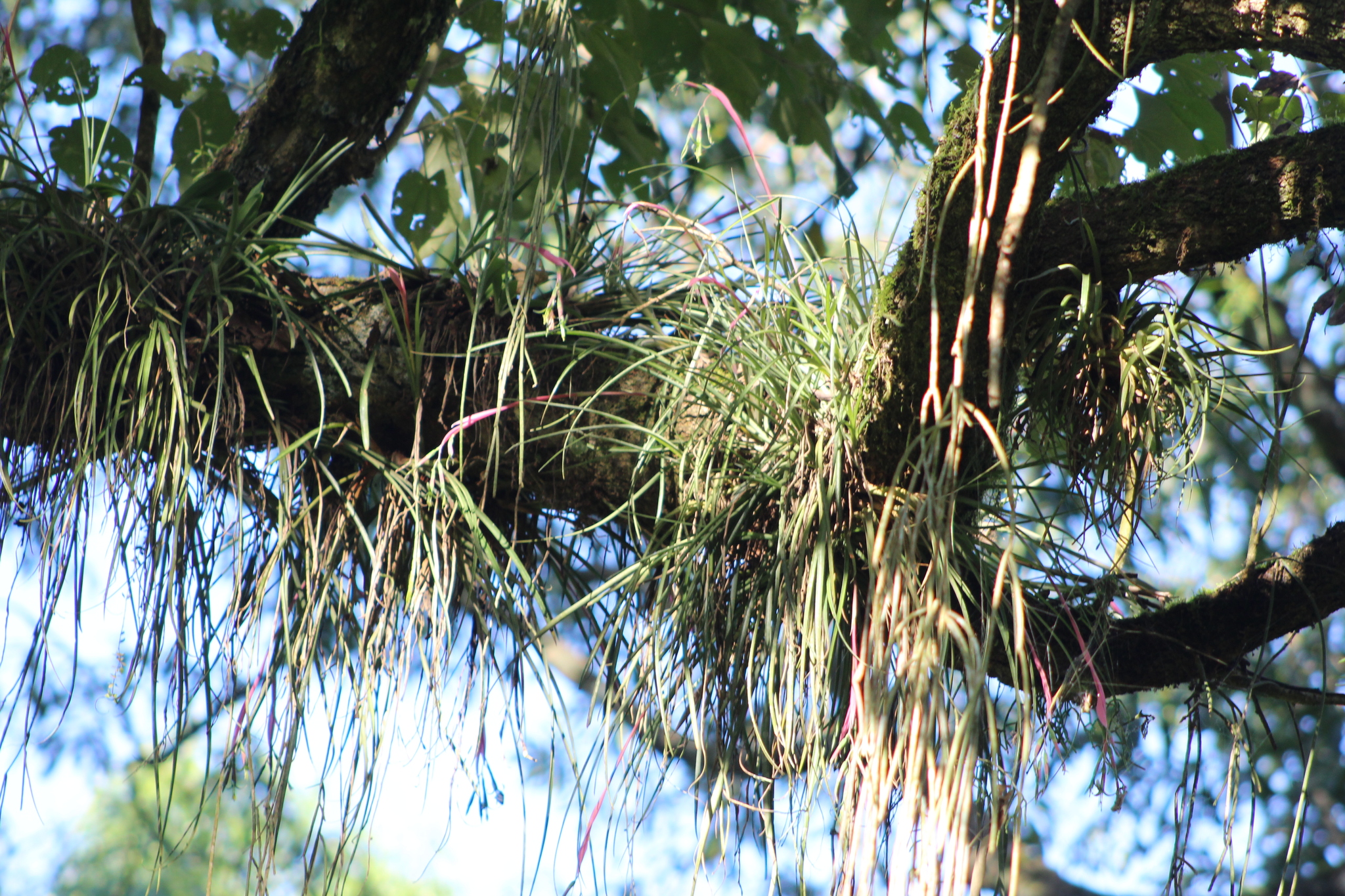
The plain species carries arching, linear, grey-green leaves gathered into a funnel, with slender pink-bracted stems that send out arching racemes of pink-tubed flowers edged in purple. The variegated form, sold as Variegata, shows cream stripes along strap-like leaves and, in summer, branched vibrant pink stems to about 15cm bearing pendulous green-pink flowers with blue-edged petals.
Source: RHS
Watch for scale
Scale insects are the main pest concern noted for this plant. Otherwise it is generally free of disease.
Source: RHS
Little pruning needed
No routine pruning is required for this bromeliad. For the variegated form, simply remove withered leaves and spent flowers as they appear.
Source: RHS
Care recipe
The species record — the baseline every cultivar inherits unless it says otherwise.
Care notes are early — not yet verified
- Light
- ai:claude-opus-4-8
- Water
- ai:claude-opus-4-8 (range 7-14d)
- Humidity
- ai:claude-opus-4-8
- Soil
- ai:claude-fable-5
- Care
- ai:claude-fable-5
Bright, indirect
≈ every 14 days
Medium
13–27 °C
Loose, fast-draining bromeliad or orchid-style mix
Separate offsets (pups) once well rooted
Dilute feed monthly, applied to soil not the cup
Moderate
Arching pink-and-green flower spikes give the queen's-tears look
Not yet documented
This is where toxicity lives — every cultivar of this species inherits it and none can override it.
Reference images
Every image credited. Licenses link to their deeds.
PrimarySources: ai:claude-opus-4-8 · ai:claude-opus-4-8 (range 7-14d) · ai:claude-fable-5
Kept true by its growers
Every fact here carries its source. Grow Queen's-Tears yourself? What you’ve observed — how it drinks, how it holds its color, a name that’s off — and a clear photo of your plant are exactly what keep this page honest. Contributions are reviewed before anything changes.
Sign in to add what you know →