Species · genus Begonia · Begoniaceae
Cane Begonia
Begonia maculata Raddi
Also known as: Polka Dot Begonia
Cultivars of B. maculata
The named forms growers keep — each with its own page, each honest about how much we know.
No named cultivars catalogued under B. maculata yet. When growers document a stable, named form, it earns its own page here.
Guide
The species-level account. Cultivar pages build on this and say where they differ.
The Polka Dot Begonia
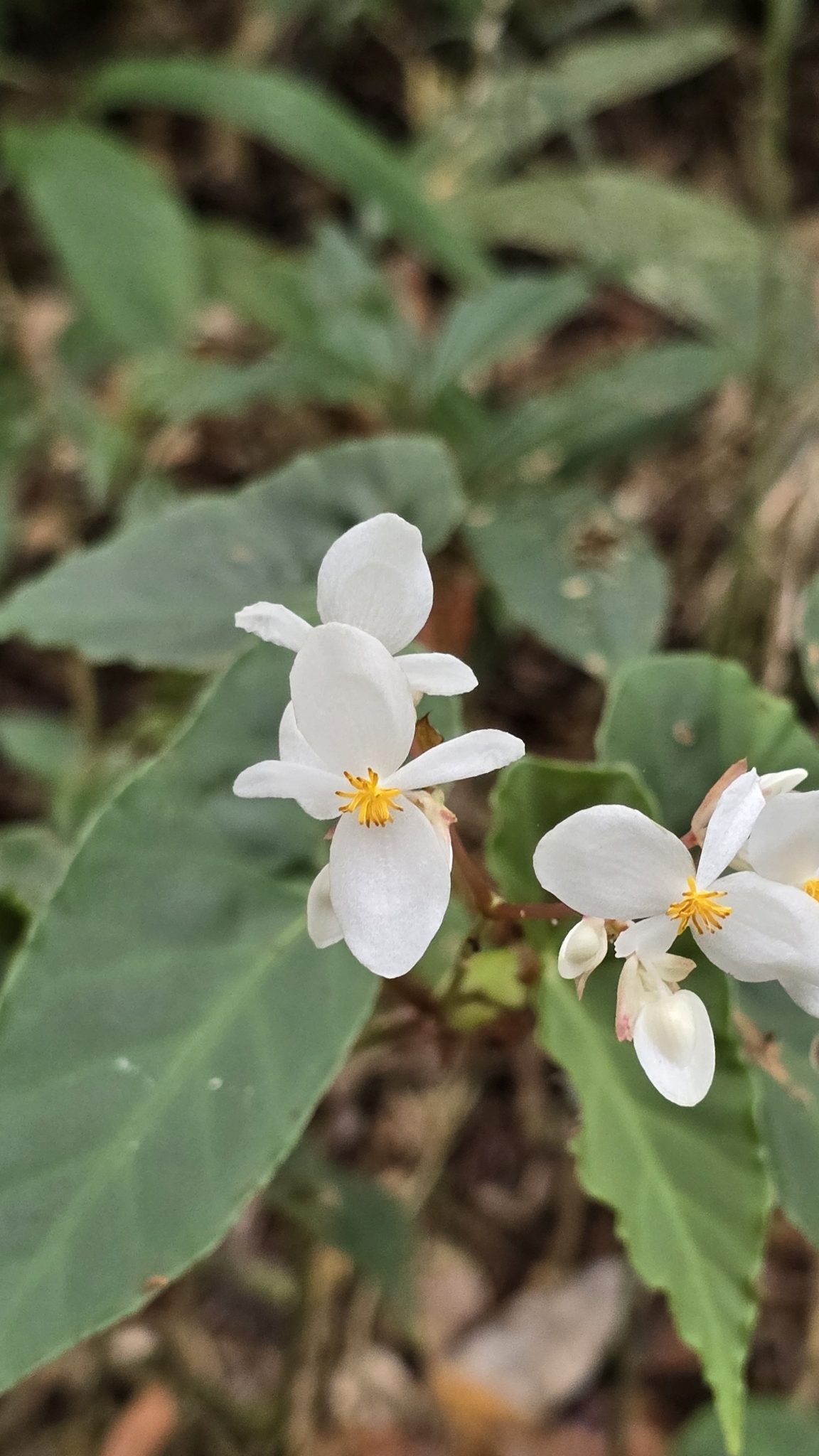
Begonia maculata is a cane-type begonia grown chiefly for its dark, angel-wing leaves scattered with silvery spots. It also goes by spotted, clown, or trout begonia, and it flowers with clusters of white or pale pink blooms when conditions suit it. It is not a rare plant, and it is readily found through nurseries and online sellers.
Source: Epic Gardening
A Brazilian Discovery
This species traces back to Brazil, part of a genus first formally documented in the late 1600s by the French botanist and monk Charles Plumier, who named begonias for Michel Begon. The maculata epithet itself is Latin for spotted, a nod credited to the Italian botanist Giuseppe Raddi. The wider begonia family has a longer human history still, having been used in China since the 1300s and later applied in folk remedies for burns, toothache, and other ailments, despite the plant's toxicity.
Source: Epic Gardening
Light, Water, and Feeding
Grow this begonia in bright, indirect light, such as filtered light near an east or west-facing window, since it scorches in continuous direct sun and dulls in too little. Keep the soil moist but let the top layer dry before watering again, and use a light, airy, well-draining mix, since waterlogging brings on root and stem rot. It prefers warmth in the 65–80°F range with humidity as high as 75% where possible, and appreciates a balanced liquid fertiliser during the growing season, applied at alternate waterings.
Source: Epic Gardening
Rooting from Stem Cuttings
The easiest way to increase this begonia is by stem cuttings, taken with clean tools just below a node and stripped of lower leaves before rooting in either a perlite-vermiculite-coir mix or a jar of distilled water. Water-rooted cuttings need their water topped up and changed weekly, while soil cuttings are kept moist and warm in indirect light. Roots typically form within five to seven weeks, after which the cutting is ready to pot on.
Source: Epic Gardening
Spotted Wings, Red Undersides
The arrow-shaped leaves have a heart-shaped base, a wavy texture, and an undulate edge, olive-green above with silvery-white spots and a deep red reverse. Stems are erect and cane-like, growing to about a metre, giving the plant its bushy, upright habit. In summer it carries pendulous clusters of pale pink or white flowers with unequal tepals, and female flowers outnumbering male ones.
Source: RHS
Watch for Sap Feeders
This begonia can attract caterpillars, mealybugs, mites, glasshouse thrips, vine weevil, and aphids. Mealybugs and whiteflies are especially common, usually settling on the undersides of leaves to feed, and a straightforward application of neem oil is generally enough to clear them if caught early.
Source: RHS
Reading the Leaves
Yellowing leaves usually point to overwatering, though some yellowing and leaf drop is simply normal ageing. Browning at the leaf edges signals underwatering or too little humidity, while soggy stems and dropping leaves mark root rot from waterlogged soil. High humidity can also favour fungal problems such as powdery mildew, botrytis, and bacterial leaf spot, all of which are eased by better airflow, careful watering that avoids wetting the leaves, and prompt removal of affected foliage.
Source: Epic Gardening
Pruning and Repotting
This plant grows quickly and can turn leggy, so pruning stems back to just above a node keeps it bushy and gives cuttings for propagation; aim for at least one prune in autumn as growth slows. The RHS recommends cutting back long canes to two or three buds in late spring. Repotting once a year, into a pot only one size up with good drainage, keeps roots from becoming compacted without inviting excess moisture.
Source: Epic Gardening
Care recipe
The species record — the baseline every cultivar inherits unless it says otherwise.
Care notes are early — not yet verified
- Light
- ai:claude-opus-4-8
- Water
- ai:claude-opus-4-8 (range 5-10d)
- Humidity
- ai:claude-opus-4-8
- Soil
- ai:claude-fable-5
- Care
- ai:claude-fable-5
Bright, indirect
≈ every 10 days
High
16–26 °C
Light, airy mix of peat/coir with perlite
Stem or leaf cuttings rooted in water or moist mix
Balanced liquid feed at half strength every 2-4 weeks in growth
Fast
Reliably sends up clusters of white-pink blooms indoors
Toxic to cats & dogs
Soluble calcium oxalates — mouth irritation, vomiting; tubers most toxic. This is where toxicity lives: every cultivar of this species inherits it and none can override it.
Reference images
Every image credited. Licenses link to their deeds.
PrimarySources: ai:claude-opus-4-8 · ai:claude-opus-4-8 (range 5-10d) · ai:claude-fable-5 · ASPCA
Kept true by its growers
Every fact here carries its source. Grow Cane Begonia yourself? What you’ve observed — how it drinks, how it holds its color, a name that’s off — and a clear photo of your plant are exactly what keep this page honest. Contributions are reviewed before anything changes.
Sign in to add what you know →