Species · genus Astrophytum · Cactaceae
Monk's-hood
Astrophytum ornatum (DC.) Britton & Rose
Also known as: Ornamental Monk's-hood · Star Cactus
Cultivars of A. ornatum
The named forms growers keep — each with its own page, each honest about how much we know.
No named cultivars catalogued under A. ornatum yet. When growers document a stable, named form, it earns its own page here.
Guide
The species-level account. Cultivar pages build on this and say where they differ.
A star-ribbed desert cactus
Astrophytum ornatum, known as the monk's hood cactus, is a ribbed cactus that starts spherical and grows columnar with age. It belongs to the Cactaceae family and carries an RHS Award of Garden Merit.
Source: RHS
Native to central Mexico
This species comes from central-eastern Mexico, where it grows in poor, sharply-drained, slightly alkaline soils under full sun.
Source: RHS
Sun, sharp drainage, dry rest
Give this cactus full sun and a sheltered, south- or west-facing spot. Under glass, pot it in a sharply-draining, loam-based compost with added sharp sand, or a proprietary cactus mix, and water thoroughly once the compost has dried out during the spring-to-early-autumn growing season. Keep it dry through winter dormancy, and expect a slow build toward maturity over ten to twenty years.
Source: RHS
Grown from seed
Propagation is by seed, sown at around 21°C in early spring.
Source: RHS
Ribs, wool, and pale flowers
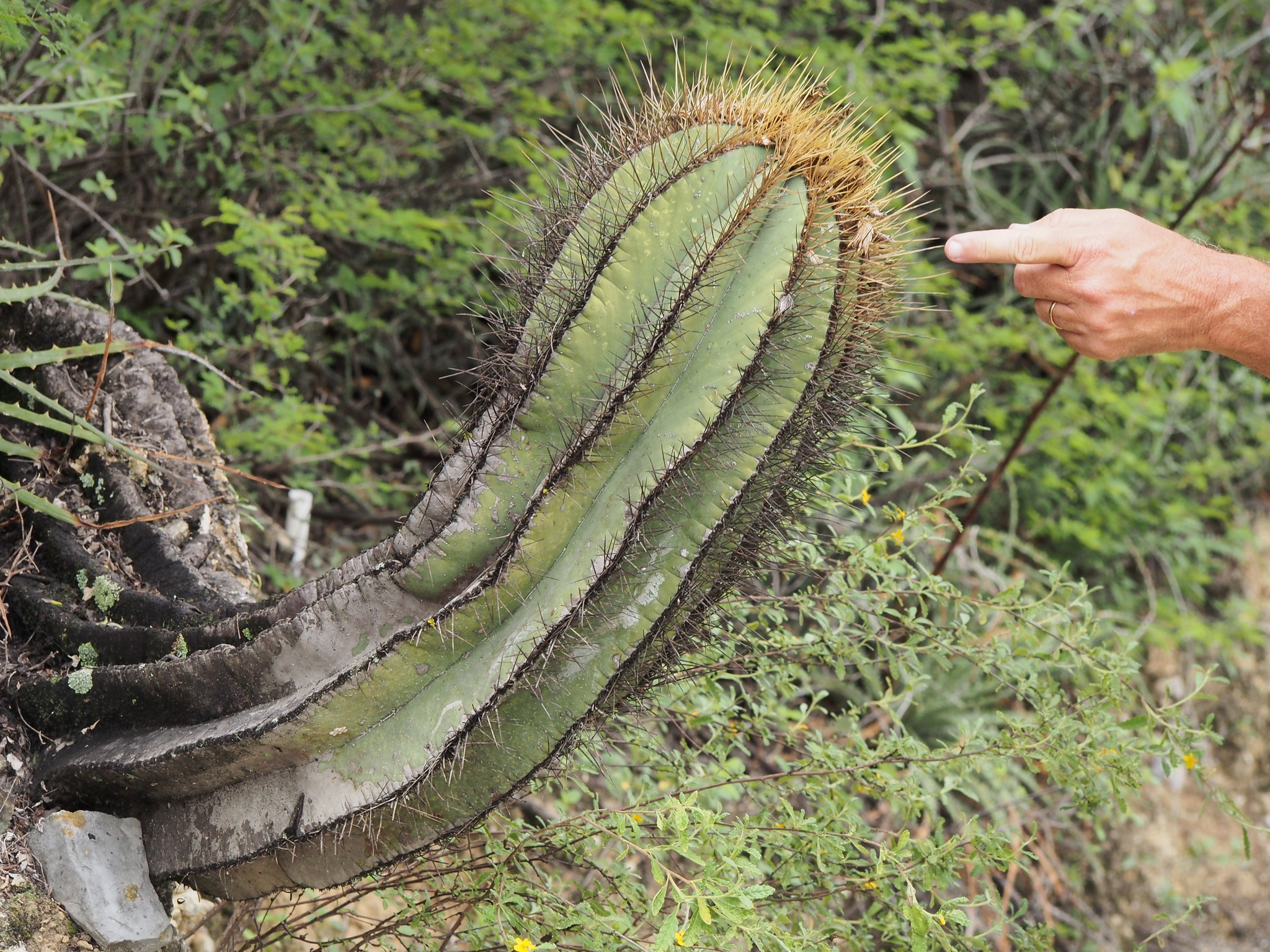
The stem carries six to eight ribs, sometimes twisted into a gentle spiral, and can reach up to 35cm tall. Its light-green surface is cross-banded with small woolly scales, and close-set areoles bear brown or yellow spines. In summer it produces pale yellow, funnel-shaped flowers typical of the genus, which are later followed by berries.
Source: RHS
Mealybugs and scale
Watch for mealybugs and scale insects, the two pests this cactus is most likely to attract.
Source: RHS
Little upkeep needed
No pruning is required, and the plant is generally free of disease, so maintenance is mostly about getting the watering rhythm and dormancy right.
Source: RHS
Care recipe
The species record — the baseline every cultivar inherits unless it says otherwise.
Care notes are early — not yet verified
- Light
- ai:claude-opus-4-8
- Water
- ai:claude-opus-4-8 (range 14-28d)
- Humidity
- ai:claude-opus-4-8
- Soil
- ai:claude-fable-5
- Care
- ai:claude-fable-5
Direct sun
≈ every 28 days
Low — average room
10–32 °C
Fast-draining gritty cactus mix with extra pumice
Grown from seed
Dilute low-nitrogen cactus feed monthly in spring and summer
Slow
Yellow blooms on mature plants given bright light
Not yet documented
This is where toxicity lives — every cultivar of this species inherits it and none can override it.
Reference images
Every image credited. Licenses link to their deeds.
Sources: ai:claude-opus-4-8 · ai:claude-opus-4-8 (range 14-28d) · ai:claude-fable-5
Kept true by its growers
Every fact here carries its source. Grow Monk's-hood yourself? What you’ve observed — how it drinks, how it holds its color, a name that’s off — and a clear photo of your plant are exactly what keep this page honest. Contributions are reviewed before anything changes.
Sign in to add what you know →