Species · genus Aspidistra · Asparagaceae
Cast Iron Plant
Aspidistra elatior Blume
Also known as: Barroomplant
Cultivars of A. elatior
The named forms growers keep — each with its own page, each honest about how much we know.
No named cultivars catalogued under A. elatior yet. When growers document a stable, named form, it earns its own page here.
Guide
The species-level account. Cultivar pages build on this and say where they differ.
A hardy old favorite
The cast iron plant, Aspidistra elatior, is a clump-forming foliage houseplant known for its broad, dark green, lance-shaped leaves and its tolerance of neglect. It has been grown indoors since the early Victorian era and remains a dependable, low-fuss choice for beginners.
Source: Epic Gardening
Rainforest floor native
Despite a common assumption that it hails from China, the cast iron plant actually comes from Taiwan and the Japanese islands, including the Osumi and Uji islands, Kuroshima, and Suwanosejima. There it grows as an understory plant in temperate rainforest, spreading by shallow rhizomes beneath evergreens. Its Victorian-era popularity as a houseplant earned it the cast iron name, a nod to how hard it is to kill.
Source: Epic Gardening
Low light, steady moisture
Aspidistra is happiest in low or filtered light, kept out of direct sun, and in room temperatures of roughly 5 to 20°C (40 to 70°F). Water regularly through spring to autumn, keeping the compost moist but never waterlogged, and ease off in winter without letting it dry out completely. It doesn't need extra humidity, coping fine with the drier air of a typical home, and benefits from a general-purpose houseplant fertilizer applied monthly from spring to late summer.
Source: RHS
Divide the rhizomes
New plants are easily made by dividing a large clump in spring, cutting through the thick fleshy rhizomes so each new section keeps several leaves. This is the most common way to multiply an aspidistra collection.
Source: RHS
Leathery leaves, slow habit
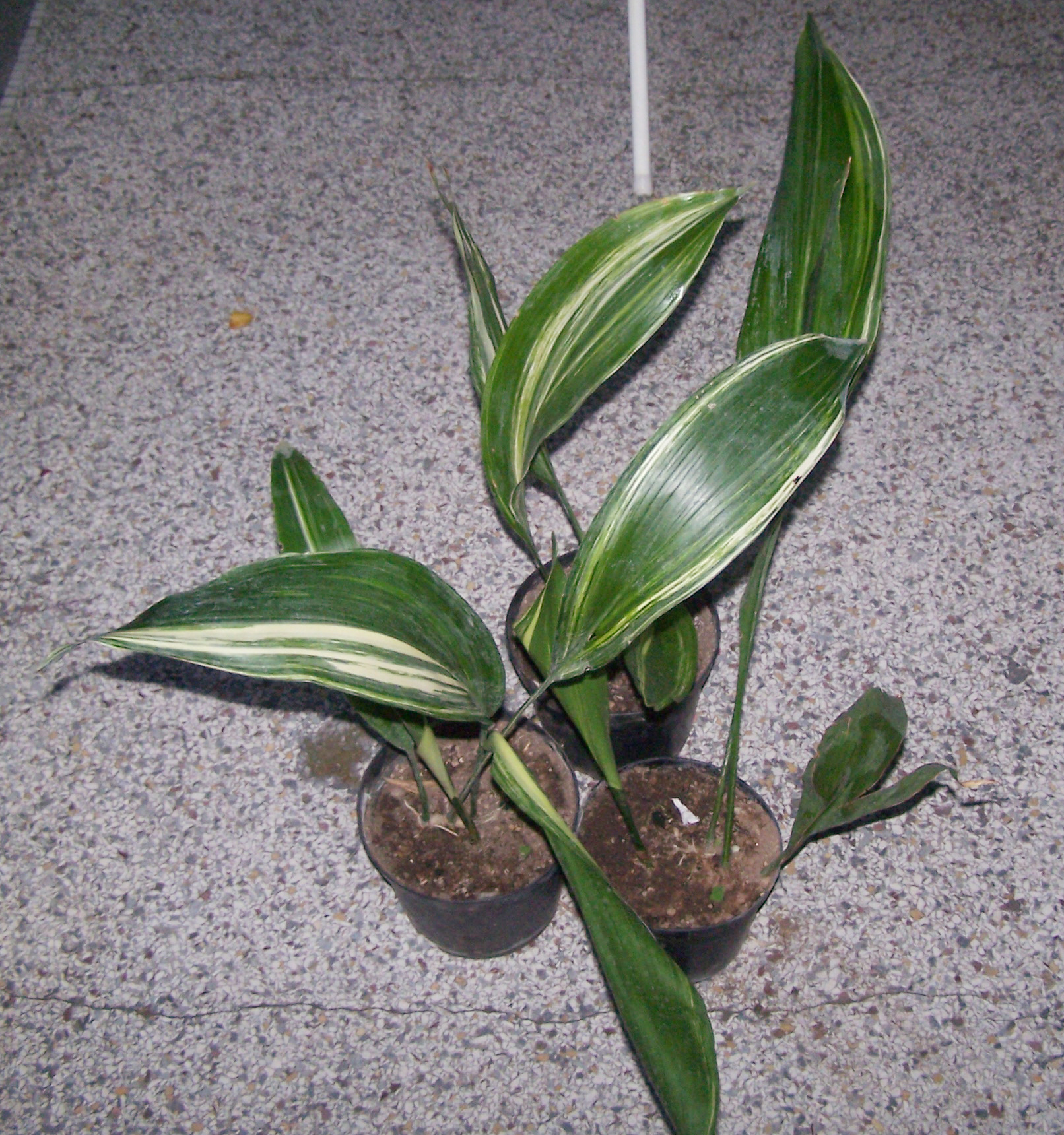
Aspidistra forms clumps of large, upright or arching, tropical-looking leaves, usually dark green and pointed, reaching up to about 60cm (2ft). Some cultivars carry creamy-white speckles, blotches, or irregular stripes for a brighter effect. It is a slow grower overall, and flowering is infrequent, with small brownish-purple blooms hidden near the soil surface when they do appear.
Source: RHS
Watch for common suspects
Check regularly for mealybugs, red spider mites, and scale insects, with speckled or bleached leaves a telltale sign of spider mite trouble. These pests are common but manageable with routine inspection.
Source: RHS
Overwatering is the main risk
Aspidistra is robust and rarely troubled, but soggy, waterlogged compost can rot the roots, and bright light can scorch leaves brown. In very poor light, growth slows further and variegated leaves may revert to plain green.
Source: RHS
Repot rarely, prune little
Because aspidistra grows slowly, it can stay in its original pot for several years until roots begin showing through the drainage holes, at which point it's repotted in spring into a container only slightly larger, using a 50:50 mix of loam-based and multi-purpose compost. No real pruning or training is needed; just remove fading leaves to keep the plant tidy, and wipe leaves occasionally with a damp cloth to clear dust and help them take in light.
Source: RHS
Care recipe
The species record — the baseline every cultivar inherits unless it says otherwise.
Care notes are early — not yet verified
- Light
- ai:claude-opus-4-8
- Water
- ai:claude-opus-4-8 (range 10-21d)
- Humidity
- ai:claude-opus-4-8
- Soil
- ai:claude-fable-5
- Care
- ai:claude-fable-5
Low light
≈ every 21 days
Medium
7–24 °C
Standard well-draining potting mix
Division of the rhizome
Weak balanced feed occasionally in the growing season
Slow
Rarely flowers indoors; small purple blooms hidden at soil level
Non-toxic to cats & dogs
Cast-iron plant — ASPCA non-toxic to cats, dogs, horses. This is where toxicity lives: every cultivar of this species inherits it and none can override it.
Reference images
Every image credited. Licenses link to their deeds.
PrimarySources: ai:claude-opus-4-8 · ai:claude-opus-4-8 (range 10-21d) · ai:claude-fable-5 · ASPCA
Kept true by its growers
Every fact here carries its source. Grow Cast Iron Plant yourself? What you’ve observed — how it drinks, how it holds its color, a name that’s off — and a clear photo of your plant are exactly what keep this page honest. Contributions are reviewed before anything changes.
Sign in to add what you know →