Species · genus Aristaloe · Asphodelaceae
Guinea-fowl Aloe
Aristaloe aristata (Haw.) Boatwr. & J.C.Manning
Also known as: Lace Aloe · Long-Awned Aloe · Partridge Breasted Aloe · Torch Plant · Torchplant
Cultivars of A. aristata
The named forms growers keep — each with its own page, each honest about how much we know.
No named cultivars catalogued under A. aristata yet. When growers document a stable, named form, it earns its own page here.
Guide
The species-level account. Cultivar pages build on this and say where they differ.
A Small, Sturdy Rosette
Lace aloe, once filed under Aloe and now known botanically as Aristaloe aristata, is a low-growing succulent that forms tight rosettes of fleshy, spine-tipped leaves. It shares more in common visually with haworthias than with its old aloe relatives, and it makes a compact, easy houseplant.
Source: Epic Gardening
Rocky Highlands of Southern Africa
This plant comes from the mountainous grasslands and rocky outcrops of Lesotho, the Eastern Cape, and the Free State in South Africa. It grows at high altitude where cool temperatures, moderate rainfall, and well-draining sandy soils are the norm, often tucked into crevices where water moves through quickly. That native rockiness explains its tolerance for drought and its dislike of soggy roots.
Source: Epic Gardening
Sun, Restraint, and Rock
Give this plant bright, full sun to partial shade, ideally near a south-facing window, since it stops growing without enough light. Water moderately while it is actively growing and only very sparingly through winter dormancy, letting the well-draining cactus or loam-based mix dry out between drinks. A monthly liquid feed from May through August covers its needs, tapering off once the growing season ends.
Source: RHS
Offsets Do the Work
Lace aloe propagates readily by separating the offsets, or pups, it produces around the base, best done in spring or early summer. Seed sown as soon as it is ripe is another route. Rooted offsets settle in well in cactus potting compost.
Source: RHS
Toothed Leaves, Torch Flowers
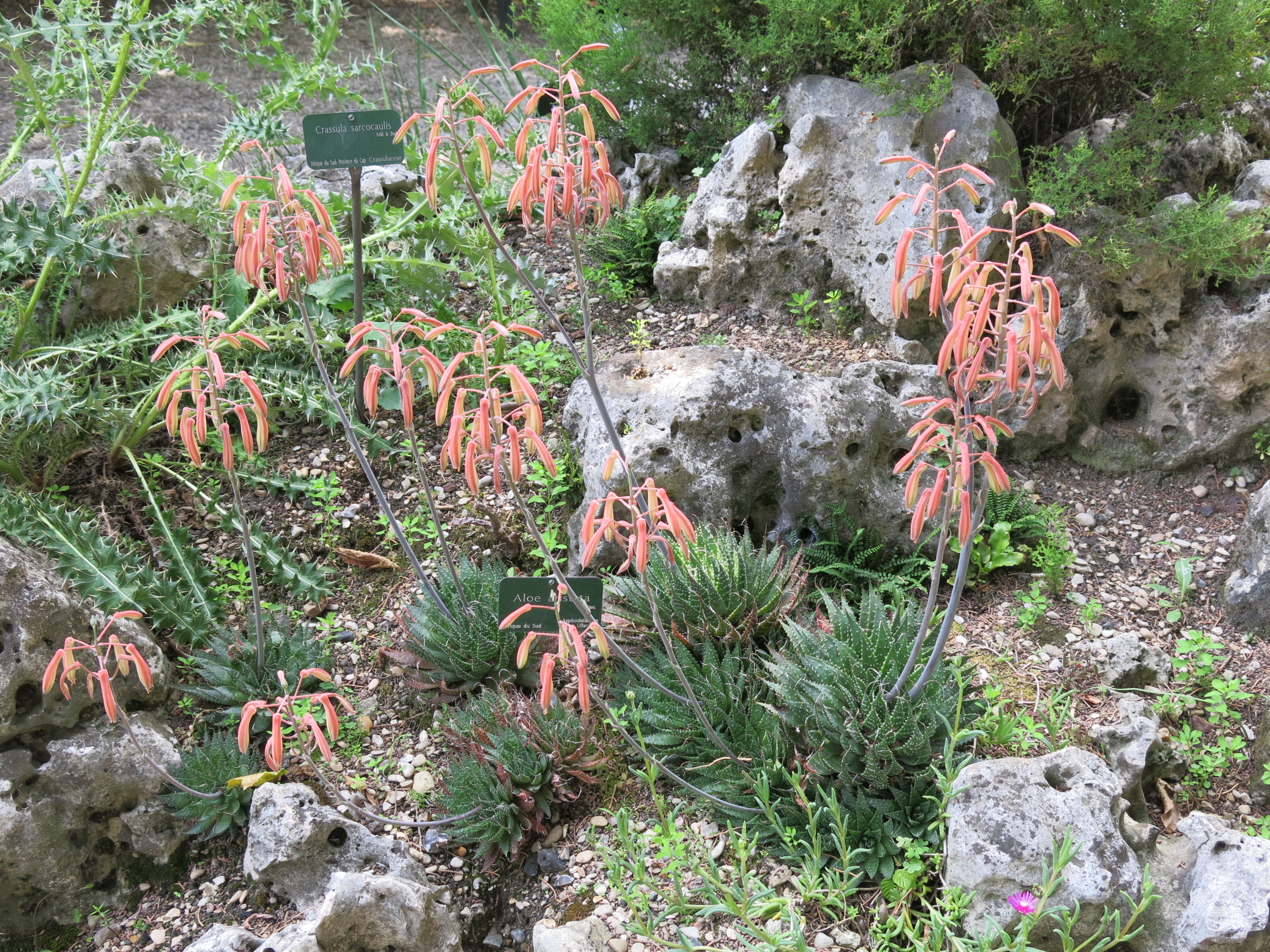
The lace aloe's triangular leaves are dark green, marked with white bumps, and edged with soft white spines and fine cilia, a look typical of its Asphodelaceae family. It stays small, generally reaching six to nine inches tall, and in autumn sends up long stems bearing tubular orange-red flowers that draw in bees.
Source: Epic Gardening
Watch for Scale and Mealybugs
The main pests to watch for are scale insects and mealybugs, both of which can trouble this succulent. Mealybugs tend to hide beneath the leaves before working into the roots, while scale often shows up as brown or white spots on stems and flowers, particularly over winter. Insecticidal soap, neem oil, or simply wiping pests away by hand are the usual remedies.
Source: Epic Gardening
Wilting, Yellowing, Rot
An underwatered plant in summer will wilt and its leaves may yellow, while an overwatered one, especially in winter, risks a mushy, rotting base. If the base turns brown and soft, the fix is to lift the plant and repot into dry, fresh mix, checking back after a few days. The RHS notes the plant is otherwise generally disease-free.
Source: Epic Gardening
Little Pruning Needed
Lace aloe asks for very little upkeep and needs no routine pruning; trimming is only called for to remove dead, diseased, or cold-damaged leaves. Repotting is best done in spring, moving up just one shallow pot size and taking care not to bury the leaves too deep in the fresh mix.
Source: Epic Gardening
Care recipe
The species record — the baseline every cultivar inherits unless it says otherwise.
Care notes are early — not yet verified
- Light
- ai:claude-opus-4-8
- Water
- ai:claude-opus-4-8 (range 14-28d)
- Humidity
- ai:claude-opus-4-8
- Soil
- ai:claude-fable-5
- Care
- ai:claude-fable-5
Bright, indirect
≈ every 28 days
Low — average room
10–27 °C
Gritty, fast-draining cactus and succulent mix
Offsets or leaf cuttings
Dilute succulent feed a few times in spring and summer
Slow
Slender orange-red flower spikes on established plants
Not yet documented
This is where toxicity lives — every cultivar of this species inherits it and none can override it.
Reference images
Every image credited. Licenses link to their deeds.
PrimarySources: ai:claude-opus-4-8 · ai:claude-opus-4-8 (range 14-28d) · ai:claude-fable-5
Kept true by its growers
Every fact here carries its source. Grow Guinea-fowl Aloe yourself? What you’ve observed — how it drinks, how it holds its color, a name that’s off — and a clear photo of your plant are exactly what keep this page honest. Contributions are reviewed before anything changes.
Sign in to add what you know →