Species · genus Aglaonema · Araceae
Chinese Evergreen
Aglaonema modestum Schott ex Engl.
Also known as: Japanese-leaf
Cultivars of A. modestum
The named forms growers keep — each with its own page, each honest about how much we know.
No named cultivars catalogued under A. modestum yet. When growers document a stable, named form, it earns its own page here.
Guide
The species-level account. Cultivar pages build on this and say where they differ.
A quiet foliage plant
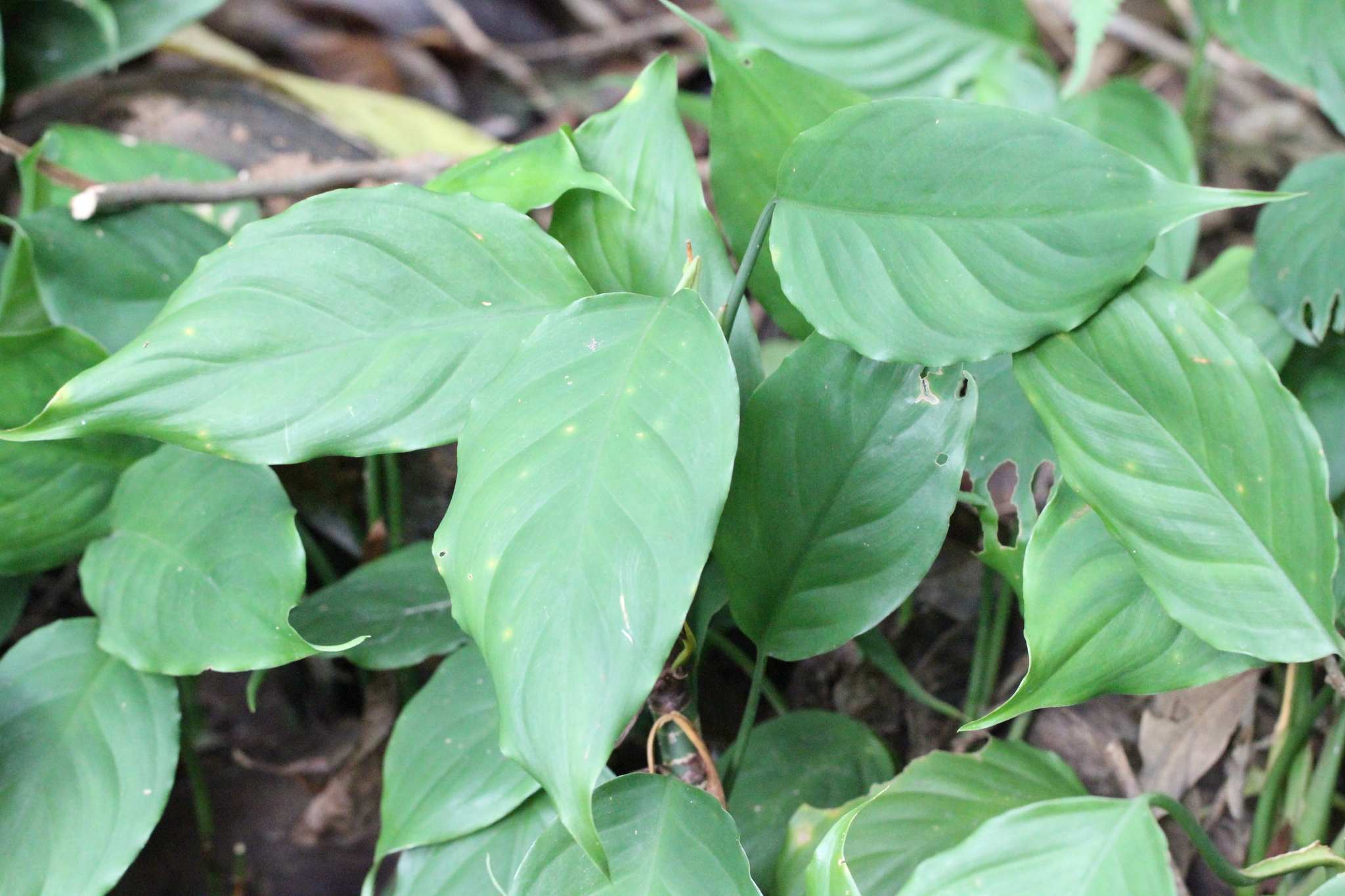
Aglaonema modestum, sometimes called Chinese evergreen or lily of China, is an upright tropical perennial grown for its glossy, dark green leaves rather than for flower. It carries inconspicuous green flowers in summer, but its real appeal is as a foliage houseplant for a spot that stays out of direct sun.
Source: RHS
Out of southern China
This species comes from southern China, northern Laos, and northern Thailand. It belongs to the Araceae family, the same family that gives us the wider Aglaonema genus of rhizomatous evergreen perennials with long-stalked, often variegated leaves.
Source: RHS
Filtered light, steady moisture
Grow it in houseplant compost in bright, filtered light, since direct sun can scorch the foliage. Water moderately, letting the compost dry out a little more in winter, mist daily, and feed with a balanced liquid fertiliser once a month through the growing season.
Source: RHS
Divide the basal shoots
Propagate by separating basal shoots that carry three or four leaves, ideally with some roots already attached, or by division in spring.
Source: RHS
Shine and wave
The leaves reach about 20cm long, shiny and dark green with wavy margins, carried on leaf stalks of 10 to 20cm. It forms clumps, holds its foliage year round, and settles at a modest 0.5 to 1 metre in height with a narrower spread.
Source: RHS
Watch for mealybugs
This plant may be susceptible to mealybugs, so it is worth checking the leaves and stalks over from time to time.
Source: RHS
Wet compost, weak stems
Kept in compost that stays too wet, the plant can develop stem and root rots, which is the main hazard to watch for with this species.
Source: RHS
Little pruning, occasional repot
No pruning is required for this plant. Pot it on every two to three years to give the roots fresh room.
Source: RHS
Care recipe
The species record — the baseline every cultivar inherits unless it says otherwise.
Care notes are early — not yet verified
- Light
- ai:claude-opus-4-8
- Water
- ai:claude-opus-4-8 (range 7-14d)
- Humidity
- ai:claude-opus-4-8
- Soil
- ai:claude-fable-5
- Care
- ai:claude-fable-5
Medium light
≈ every 14 days
Medium
16–27 °C
Peat-based potting mix lightened with perlite
Division at repotting, or stem cuttings
Half-strength balanced feed monthly in spring and summer
Slow
Occasional spathe blooms indoors; often trimmed to favor the foliage
Toxic to cats & dogs & humans
Araceae contain insoluble calcium oxalate crystals, which cause oral and digestive irritation if chewed. This is where toxicity lives: every cultivar of this species inherits it and none can override it.
Reference images
Every image credited. Licenses link to their deeds.
PrimarySources: ai:claude-opus-4-8 · ai:claude-opus-4-8 (range 7-14d) · ai:claude-fable-5 · ai:claude-opus-4-8 (family inference)
Kept true by its growers
Every fact here carries its source. Grow Chinese Evergreen yourself? What you’ve observed — how it drinks, how it holds its color, a name that’s off — and a clear photo of your plant are exactly what keep this page honest. Contributions are reviewed before anything changes.
Sign in to add what you know →