Species · genus Agave · Asparagaceae
Octopus Plant
Agave vilmoriniana A.Berger
Also known as: Octopus Agave
Cultivars of A. vilmoriniana
The named forms growers keep — each with its own page, each honest about how much we know.
No named cultivars catalogued under A. vilmoriniana yet. When growers document a stable, named form, it earns its own page here.
Guide
The species-level account. Cultivar pages build on this and say where they differ.
The Octopus Agave
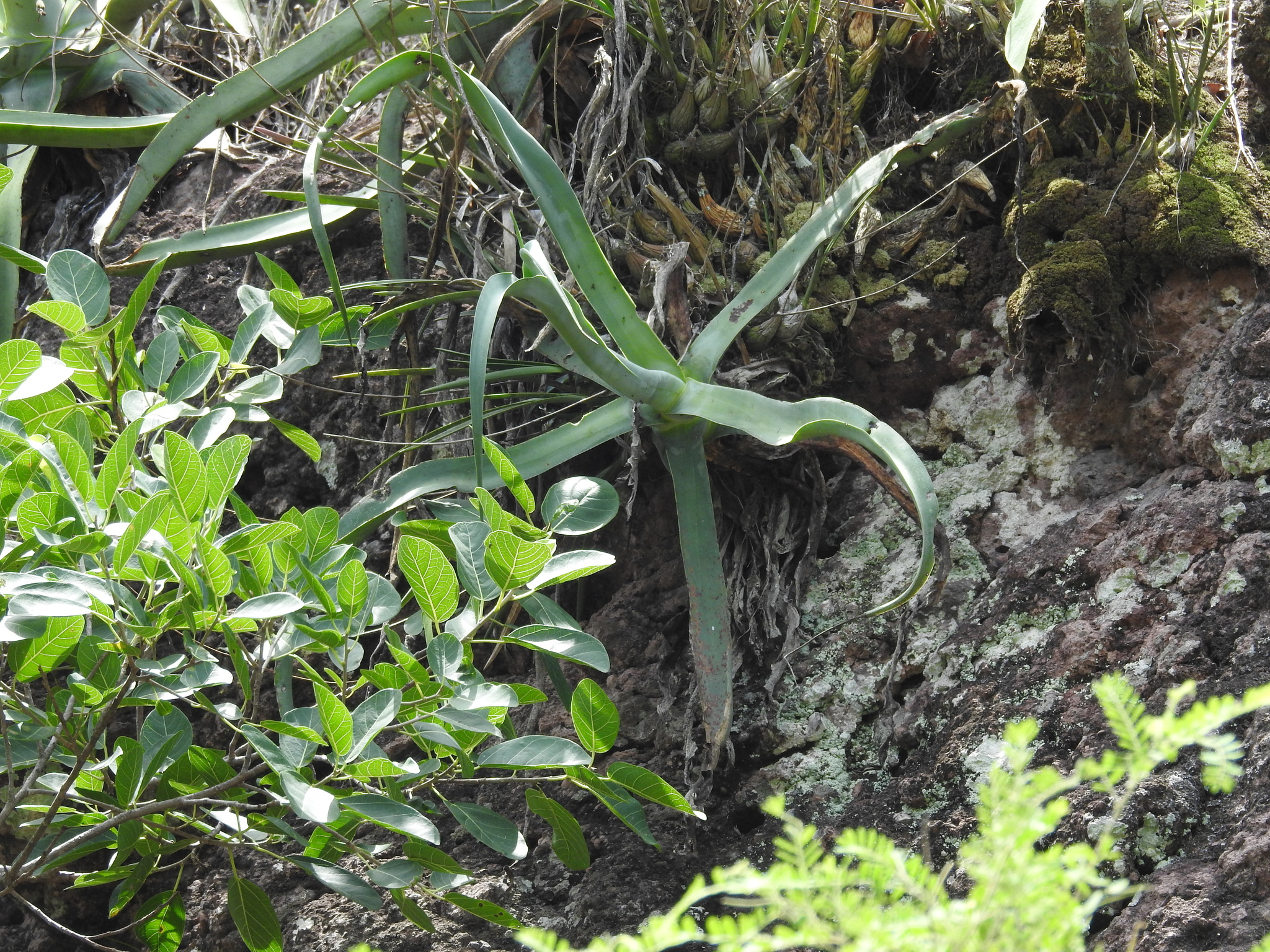
Agave vilmoriniana, commonly called the octopus agave, is a succulent perennial in the Asparagaceae family. The RHS lists it plainly under this common name, a nod to the twisting arrangement of its leaves.
Source: RHS
Native to Mexico
Kew records this species as native to northeastern and northwestern Mexico, where it grows chiefly in the seasonally dry tropical biome. It was first described and published by A. Berger in 1913.
Source: Kew
Bulbils Over Cuttings
Close relatives in this genus are typically raised from seed or from bulbils rather than stem cuttings, since many Agave species do not produce offsets. Epic Gardening notes that Agave vilmoriniana shares this low-maintenance, similar-needs profile with other garden Agave such as Agave parryi.
Source: Epic Gardening
A Rosette-Forming Succulent
As a member of the genus Agave, this plant forms a rosette of fleshy, usually rigid leaves with spiny edges, in keeping with the broader character the RHS describes for the genus. When it does flower, Agave send up funnel-shaped blooms in racemes or panicles that tower well above the rosette itself.
Source: RHS
Care recipe
The species record — the baseline every cultivar inherits unless it says otherwise.
Care notes are early — not yet verified
- Light
- ai:claude-opus-4-8
- Water
- ai:claude-opus-4-8 (range 14-28d)
- Humidity
- ai:claude-opus-4-8
- Soil
- ai:claude-fable-5
- Care
- ai:claude-fable-5
Direct sun
≈ every 28 days
Low — average room
4–32 °C
Fast-draining gritty succulent mix
Bulbils along the flower stalk, plus occasional offsets
Dilute succulent feed once or twice in spring and summer
Moderate
Rarely indoors; a tall arching bloom spike at maturity
Not yet documented
This is where toxicity lives — every cultivar of this species inherits it and none can override it.
Reference images
Every image credited. Licenses link to their deeds.
PrimarySources: ai:claude-opus-4-8 · ai:claude-opus-4-8 (range 14-28d) · ai:claude-fable-5
Kept true by its growers
Every fact here carries its source. Grow Octopus Plant yourself? What you’ve observed — how it drinks, how it holds its color, a name that’s off — and a clear photo of your plant are exactly what keep this page honest. Contributions are reviewed before anything changes.
Sign in to add what you know →