Species · genus Agave · Asparagaceae
Maguey
Agave mapisaga Trel.
Cultivars of A. mapisaga
The named forms growers keep — each with its own page, each honest about how much we know.
No named cultivars catalogued under A. mapisaga yet. When growers document a stable, named form, it earns its own page here.
Guide
The species-level account. Cultivar pages build on this and say where they differ.
A Mexican Giant Agave
Agave mapisaga is a succulent perennial in the Asparagaceae family, first described in 1920. It belongs to the same rosette-forming, spine-edged clan of agaves that includes the familiar century plant.
Source: Kew
Native to Mexico's Drylands
This species comes from Mexico, with its native range spanning the central, northeastern, and southwestern parts of the country. It grows primarily in desert and dry shrubland settings, the kind of arid, sun-baked ground agaves are built for.
Source: Kew
Sun, Grit, and Patience
Related agaves are grown in full sun with dry to medium water, and the soil matters more than the watering can: a sandy, gritty, well-draining mix is what keeps the roots healthy. Indoors, a cactus-type potting mix serves the same purpose, and containers let the plant be kept at a far smaller scale than it would reach outdoors.
Source: Missouri Botanical Garden
By Seed or Offset
Agaves of this kind are propagated either from seed or from the offsets, or suckers, that root at the base of a mature rosette over time. Left alone outdoors, those offsets often build up into a small colony around the parent plant.
Source: Missouri Botanical Garden
Rosettes, Spines, and Spikes
As with other agaves in this genus, expect a rosette of usually rigid, fleshy leaves edged with spines, the hallmark look of the group. When mature, agaves of this kind send up funnel-shaped flowers arranged in racemes or panicles that tend to rise well above the rosette itself.
Source: RHS
Weevils, Slugs, and Snails
Serious pest and disease problems are uncommon in this genus, but the agave weevil can become troublesome. Slugs and snails may also damage the foliage.
Source: Missouri Botanical Garden
Root Rot from Wet Feet
The main trouble to watch for is root rot, which tends to show up in poorly drained or overly moist soil. Sharp drainage is the simplest safeguard against it.
Source: Missouri Botanical Garden
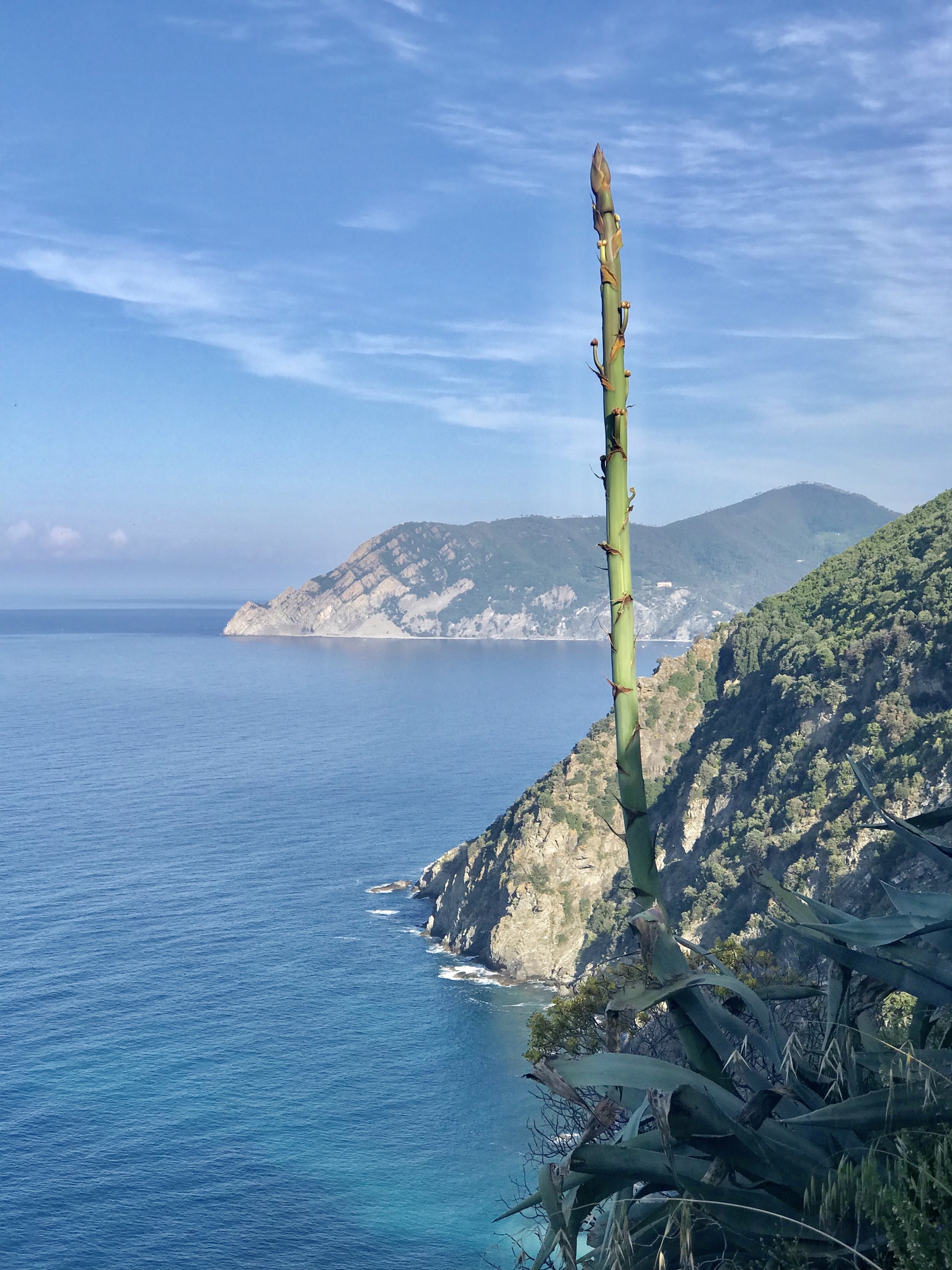
A Once-in-a-Lifetime Bloom
Many agaves in this group are monocarpic, meaning a rosette flowers only once, on a tall stout stalk, and then dies. Indoor specimens rarely flower at all, so the main seasonal task stays practical: keep soil on the dry side and let the plant rest through cooler months.
Source: Missouri Botanical Garden
Care recipe
The species record — the baseline every cultivar inherits unless it says otherwise.
Care notes are early — not yet verified
- Light
- ai:claude-opus-4-8
- Water
- ai:claude-opus-4-8 (range 14-30d)
- Humidity
- ai:claude-opus-4-8
- Soil
- ai:claude-fable-5
- Care
- ai:claude-fable-5
Direct sun
≈ every 30 days
Low — average room
7–35 °C
Coarse, sharply draining succulent mix
Offsets from the base of the plant
Occasional dilute feed in spring and summer
Moderate
Essentially never indoors; a giant that blooms once then dies
Not yet documented
This is where toxicity lives — every cultivar of this species inherits it and none can override it.
Reference images
Every image credited. Licenses link to their deeds.
PrimarySources: ai:claude-opus-4-8 · ai:claude-opus-4-8 (range 14-30d) · ai:claude-fable-5
Kept true by its growers
Every fact here carries its source. Grow Maguey yourself? What you’ve observed — how it drinks, how it holds its color, a name that’s off — and a clear photo of your plant are exactly what keep this page honest. Contributions are reviewed before anything changes.
Sign in to add what you know →