Species · genus Aechmea · Bromeliaceae
Orangeade Bromeliad
Aechmea blanchetiana (Baker) L.B.Sm.
Cultivars of A. blanchetiana
The named forms growers keep — each with its own page, each honest about how much we know.
No named cultivars catalogued under A. blanchetiana yet. When growers document a stable, named form, it earns its own page here.
Guide
The species-level account. Cultivar pages build on this and say where they differ.
An Epiphytic Bromeliad
Aechmea blanchetiana is a bromeliad species in the genus Aechmea, part of the wider Bromeliaceae family that spans Mexico down through tropical America. This particular species grows as an epiphyte, meaning it makes its home on other plants rather than rooting in soil.
Source: Kew
Native To Brazil
This plant's native range is Brazil, specifically the stretch of coast from Bahia down to Espírito Santo. There it grows primarily within the wet tropical biome, tucked among the trees as an epiphyte rather than in open ground.
Source: Kew
Light And Growing Medium
Bromeliads of this genus are generally grown epiphytically, or potted in an epiphytic bromeliad compost, and prefer bright but filtered light. In cooler climates that means a heated greenhouse or a spot indoors as a houseplant, since these are frost-tender plants.
Source: RHS
By Offsets
Aechmea plants of this kind are propagated by offsets, the small side shoots or pups that form at the base of the mother rosette.
Source: RHS
Rosette Form And Blooms
A related cultivar, Aechmea 'Blue Rain', shows the genus's habit well: an evergreen epiphytic perennial reaching around 60cm, with arching, glossy, strap-shaped leaves forming a basal rosette. In summer it sends up a dense flower spike above the foliage, deep blue to purple-blue blooms set against purple-red bracts on a red stem, later followed by fleshy red fruits.
Source: RHS
Scale And Mealybugs
This genus can be susceptible to scale insects and mealybugs, though it is otherwise generally free of disease.
Source: RHS
Little Pruning Needed
No pruning is required for these bromeliads, which keeps their ongoing care fairly light once they are settled in their spot.
Source: RHS
Care recipe
The species record — the baseline every cultivar inherits unless it says otherwise.
Care notes are early — not yet verified
- Light
- ai:claude-opus-4-8
- Water
- ai:claude-opus-4-8 (range 7-14d)
- Humidity
- ai:claude-opus-4-8
- Soil
- ai:claude-fable-5
- Care
- ai:claude-fable-5
Bright, indirect
≈ every 14 days
Medium
15–30 °C
Loose, fast-draining bromeliad or orchid-bark mix
Offsets (pups) separated once well-sized
Dilute feed occasionally; keep salts off the cup
Moderate
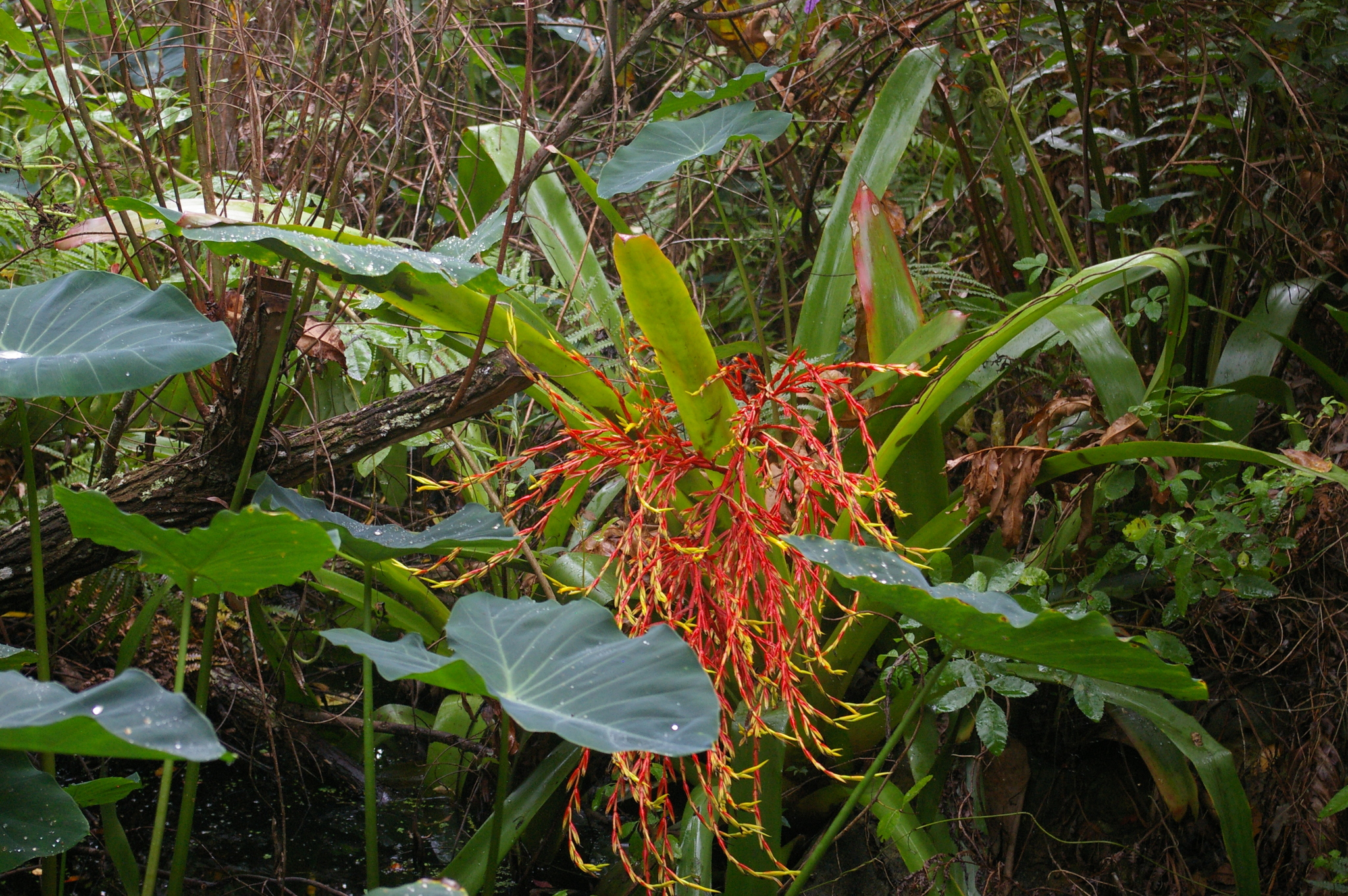
Dramatic bright orange-yellow inflorescence once mature
Not yet documented
This is where toxicity lives — every cultivar of this species inherits it and none can override it.
Reference images
Every image credited. Licenses link to their deeds.
PrimarySources: ai:claude-opus-4-8 · ai:claude-opus-4-8 (range 7-14d) · ai:claude-fable-5
Kept true by its growers
Every fact here carries its source. Grow Orangeade Bromeliad yourself? What you’ve observed — how it drinks, how it holds its color, a name that’s off — and a clear photo of your plant are exactly what keep this page honest. Contributions are reviewed before anything changes.
Sign in to add what you know →